


Facial dermal fillers
In Hale, Cheshire
Dermal fillers · Hale, Cheshire
Facial dermal fillers in Hale, Cheshire
Restore volume, improve balance and keep your own character
You may have noticed that your cheeks look flatter, your face appears more hollow, or the contours around your mouth and jaw have changed. Sometimes there is a particular feature you would like to refine. Sometimes you simply feel that your face looks more tired than you feel.
Dermal fillers can help when a concern comes from lost volume or a lack of definition. The important part is understanding what is causing the change before deciding where, or whether, to treat.
At Dr Ed Robinson Clinics, we assess your face as a whole. We consider its proportions, how it moves and any previous treatments, then discuss what would make a worthwhile difference. The aim is a result that fits your face and still looks like you.
Consultation first
A consultation comes first so that we can assess your face as a whole, discuss what you would like to change and agree whether filler is appropriate.
Dermal filler at a glance
What to expect
 Treatment time
Typically around 30 minutes for treatment. More extensive plans, ultrasound assessment and anaesthesia may require additional time.
 Anaesthesia options
Numbing cream, local anaesthetic within some fillers, and nerve blocks where appropriate.
 Recovery time
You may feel able to return to everyday activities promptly, but swelling, tenderness and bruising can remain visible for several days, sometimes longer.
 When to judge your result
An initial change is usually visible immediately. Allow approximately two weeks for swelling to settle before assessing the result; some areas take longer.
Treatment planA single area or a staged approach across some areas, depending on your anatomy and goals.
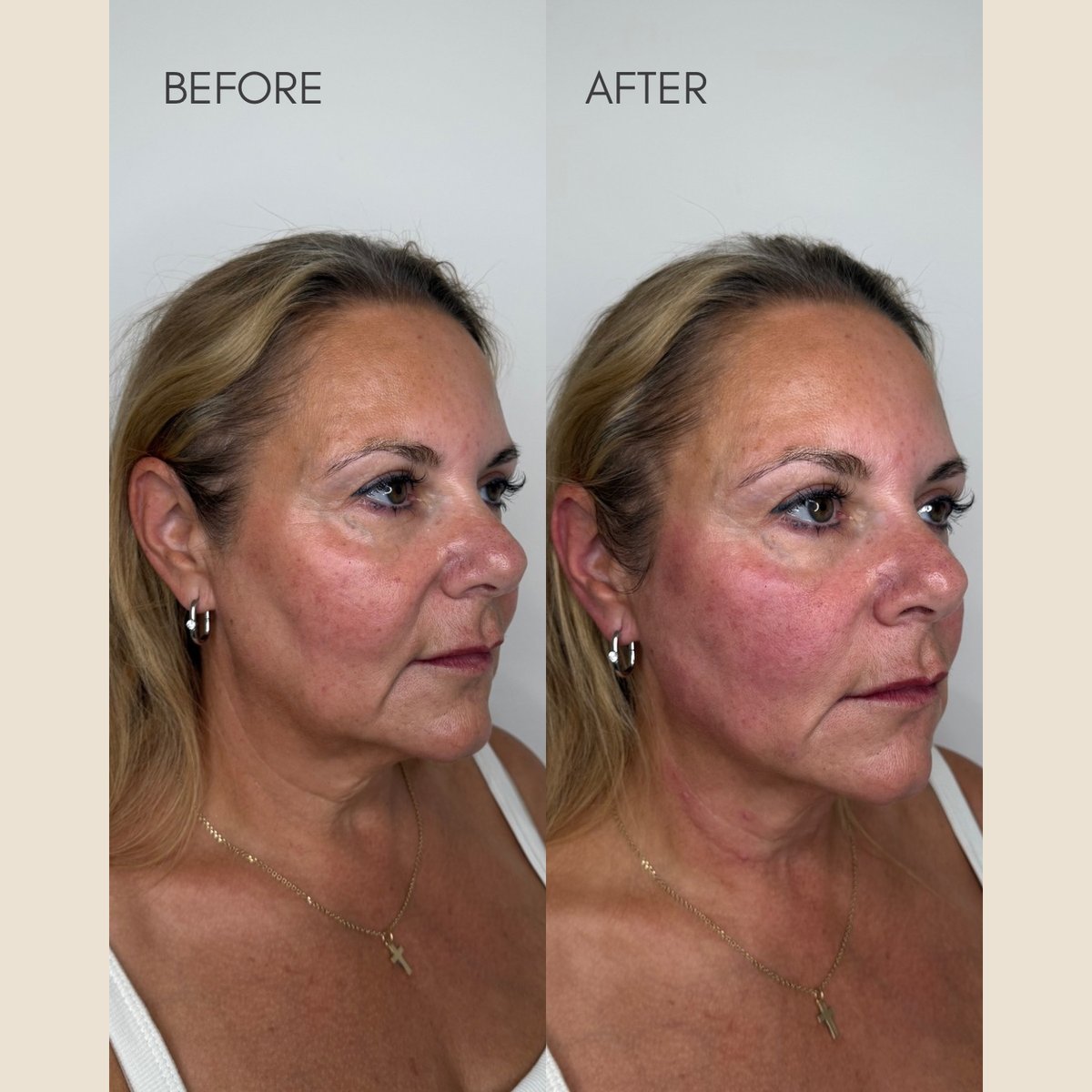
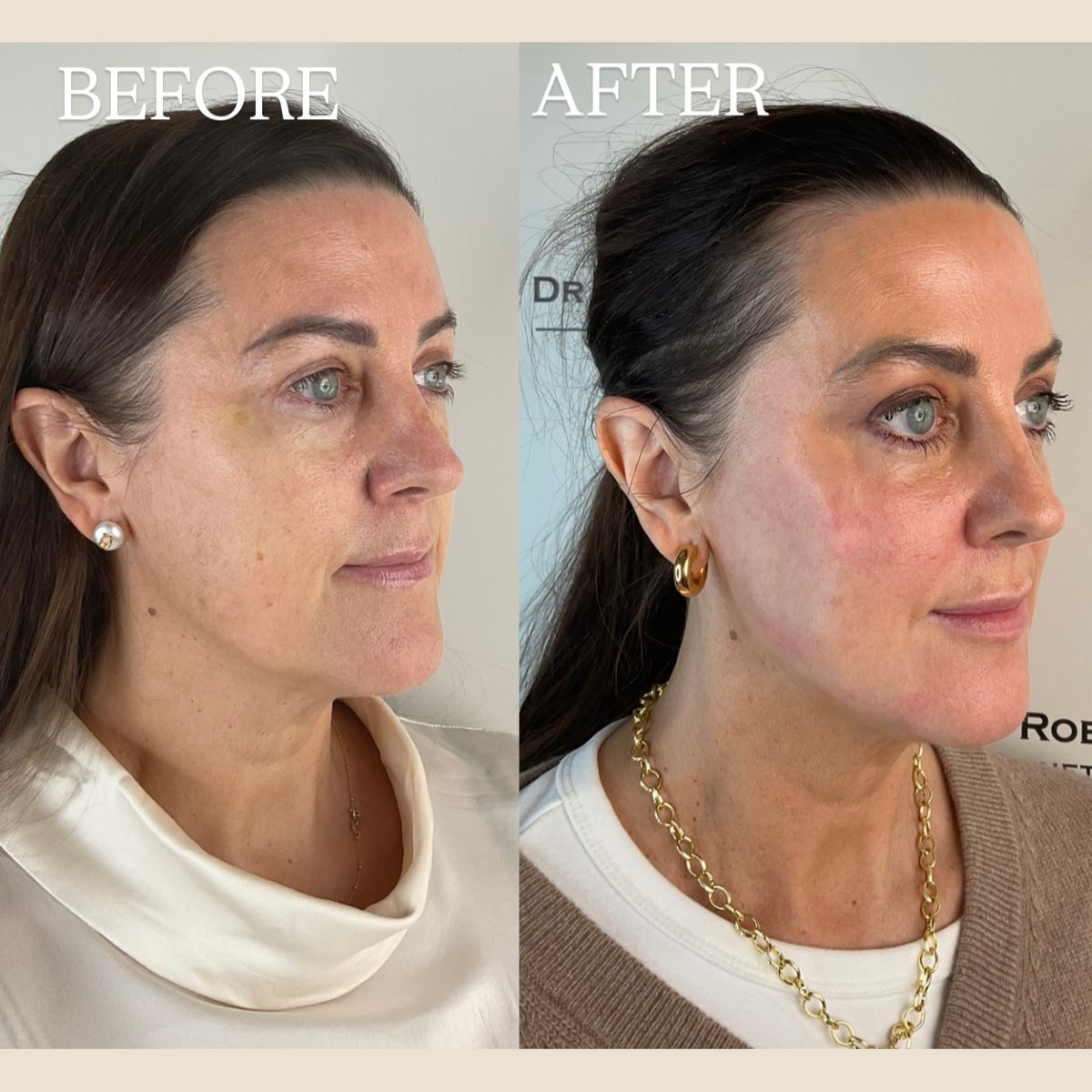
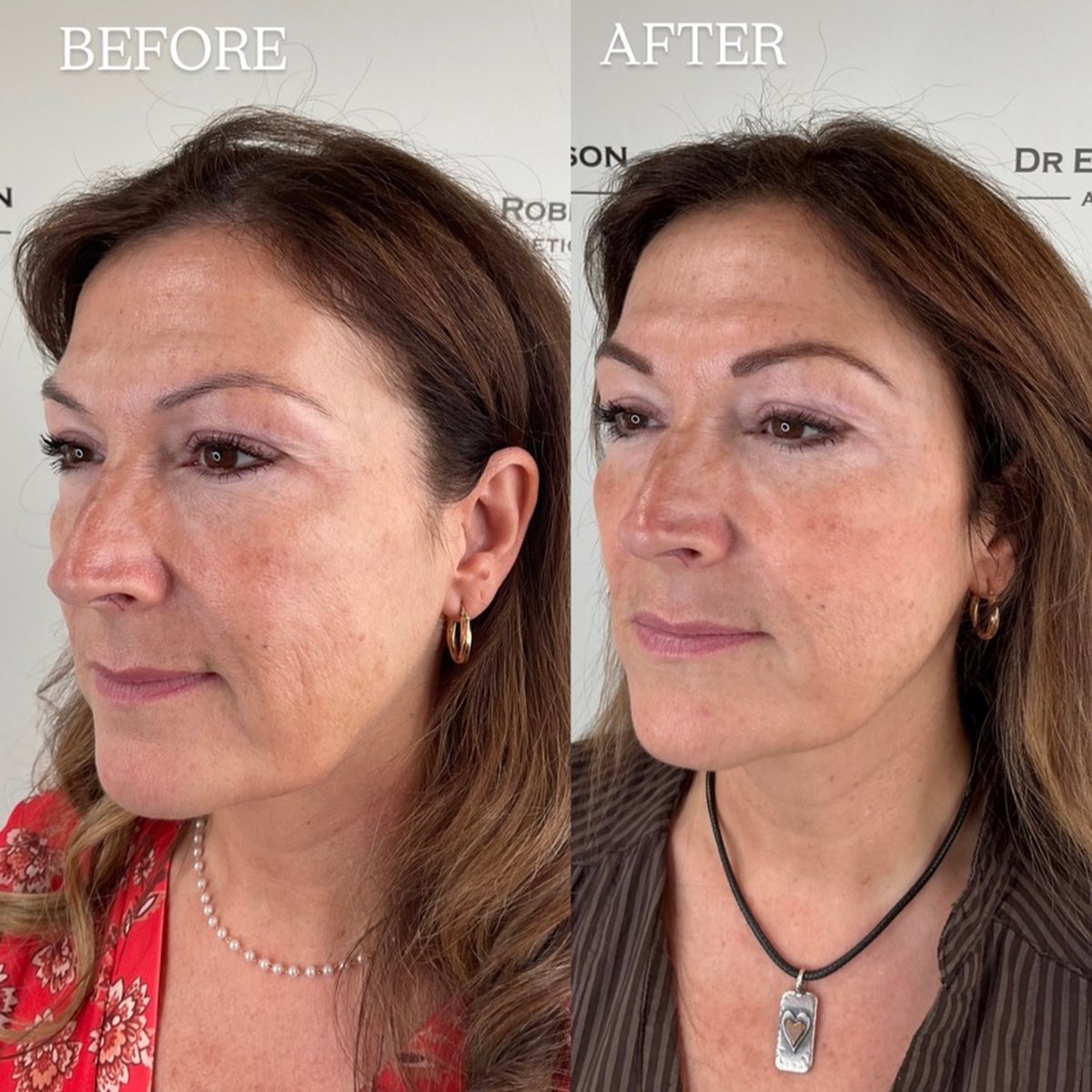
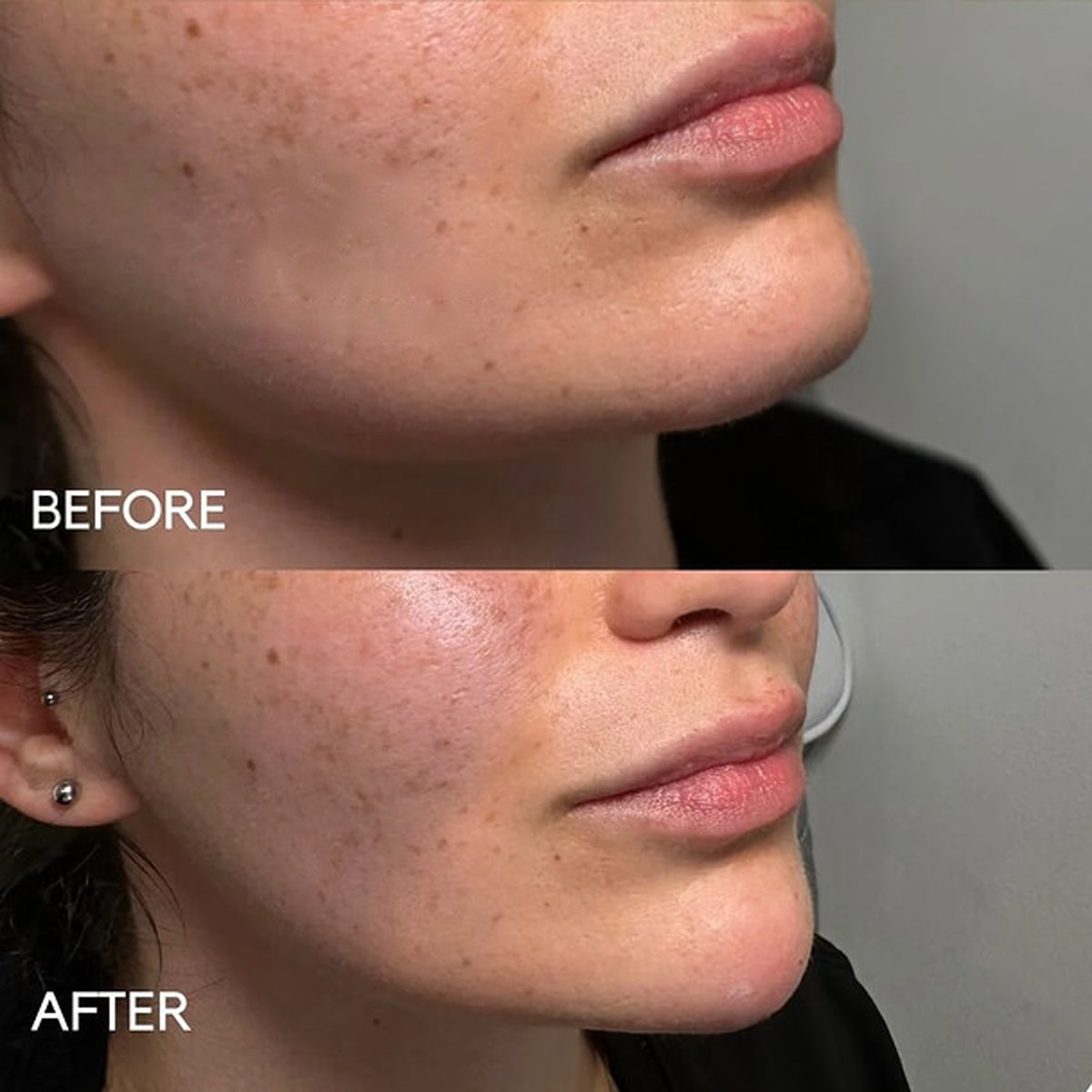
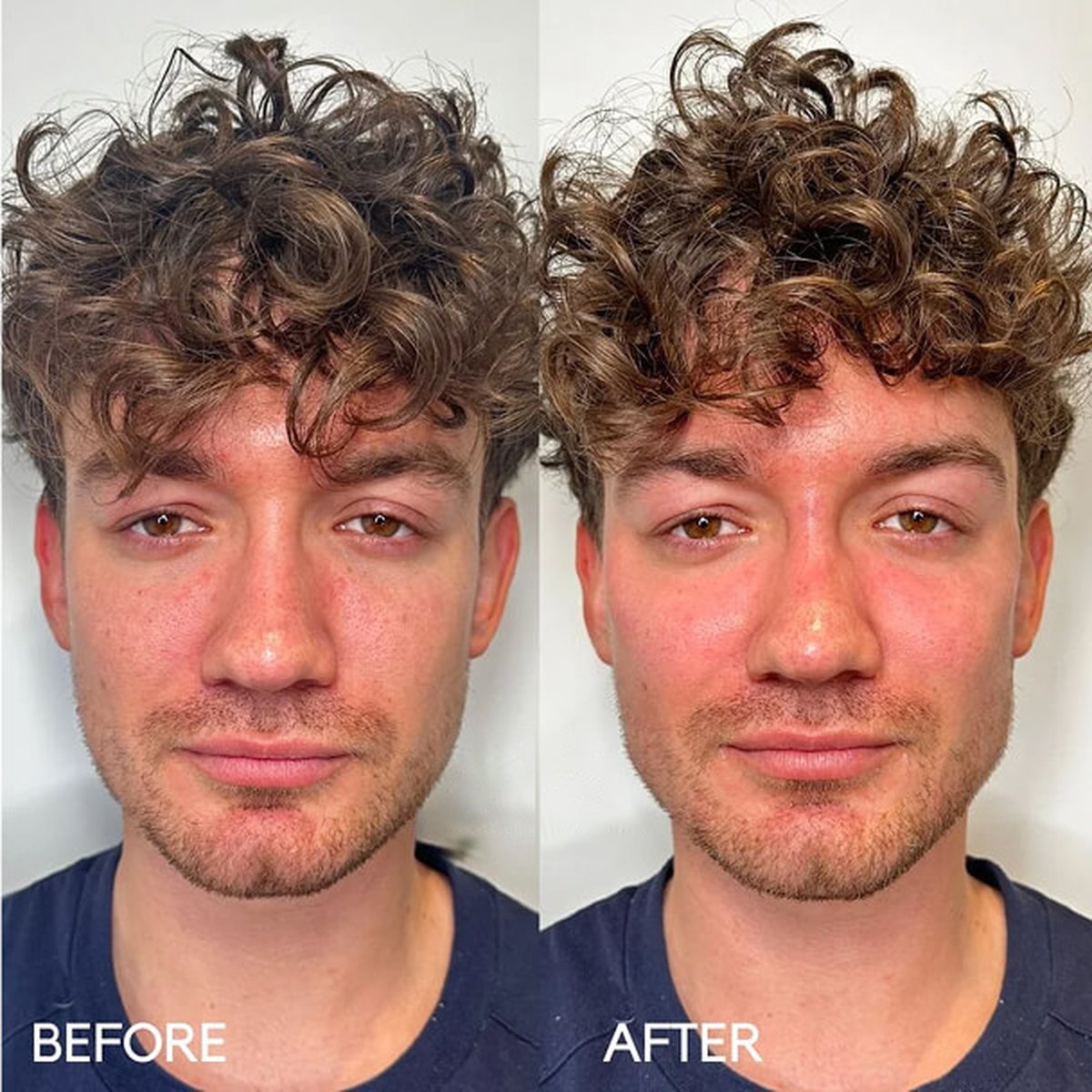
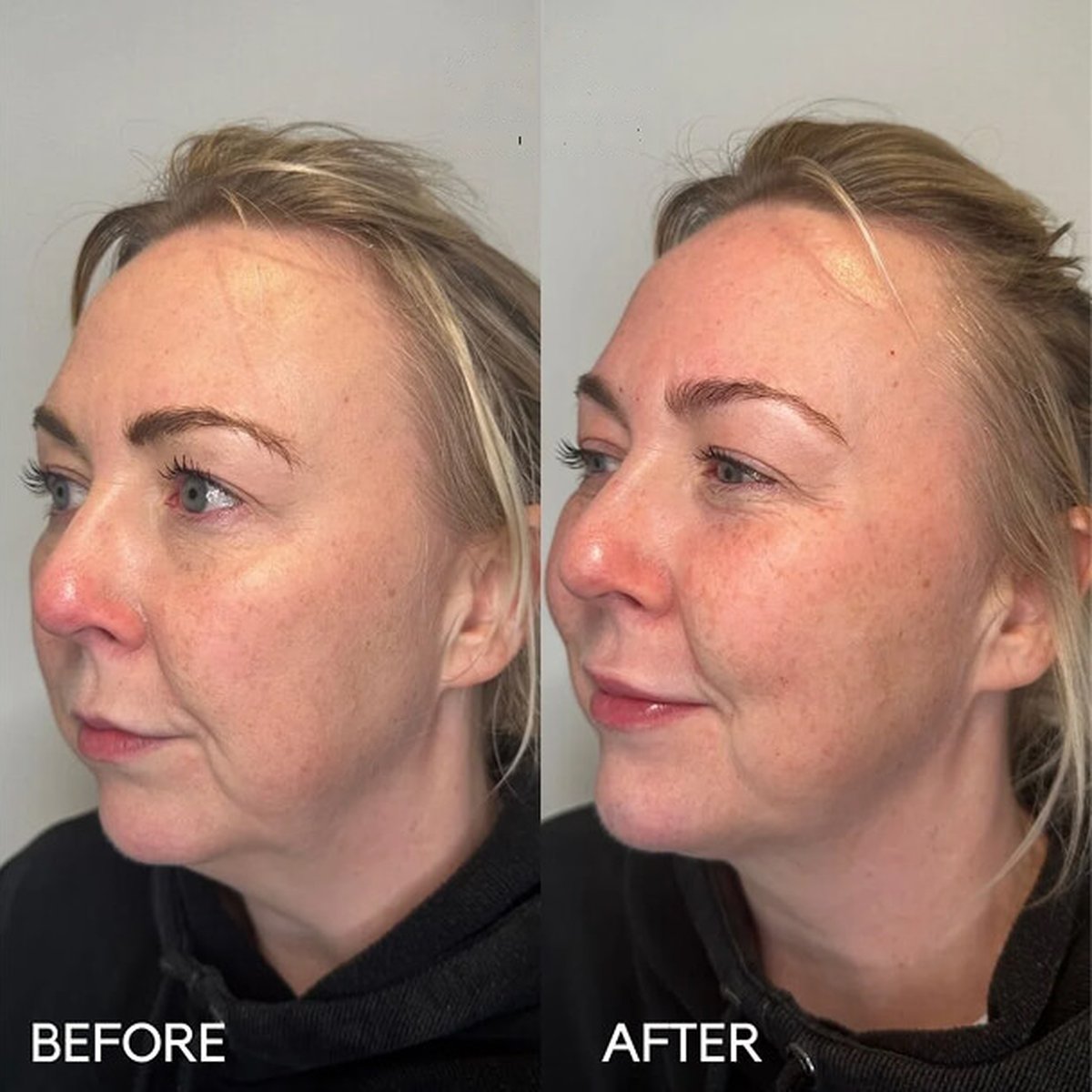
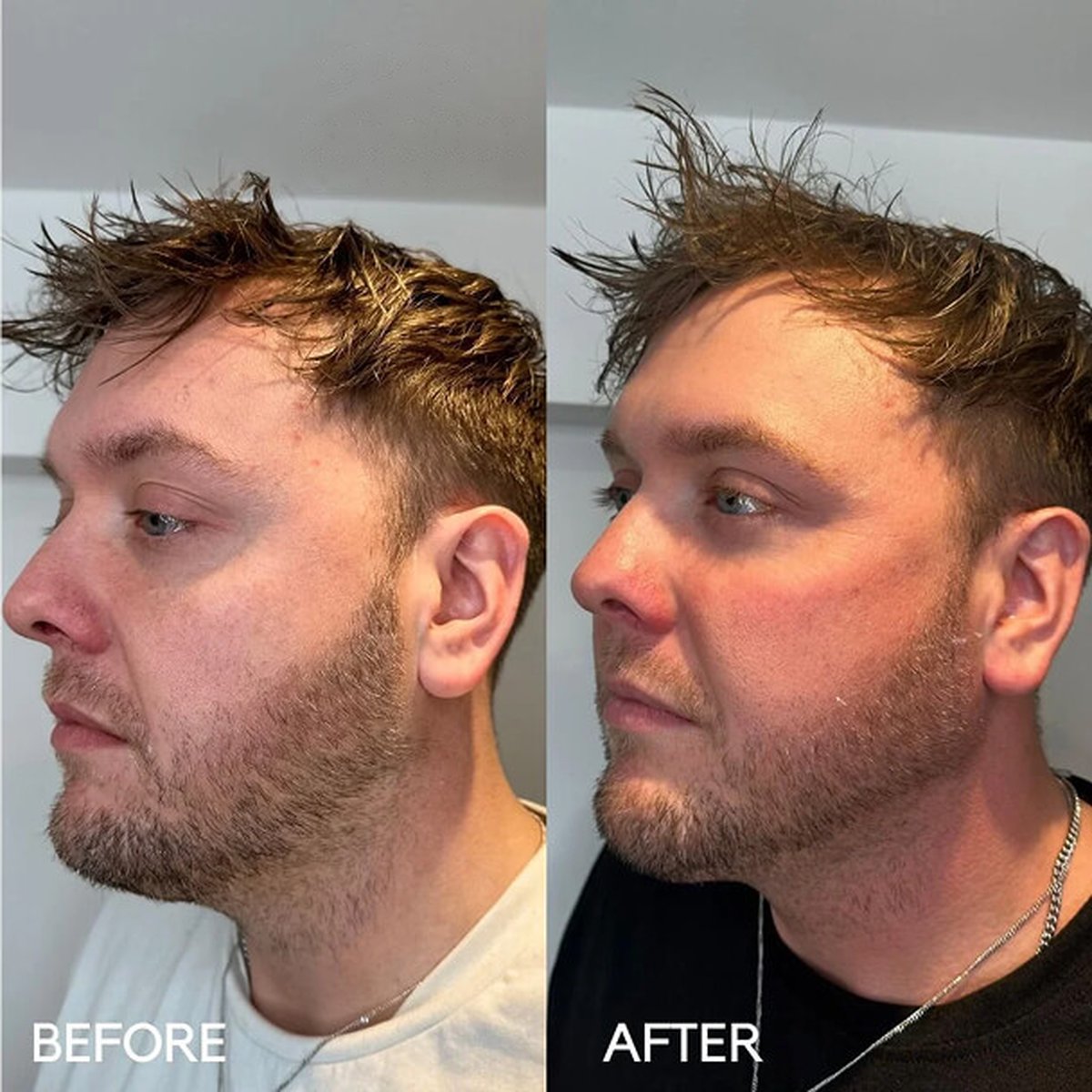
What are dermal fillers?
Dermal fillers are injectable gels used to add volume, refine contours and soften some folds.
This page focuses on hyaluronic acid fillers. Hyaluronic acid is a substance naturally present in the body, including the skin, where it helps retain water. In a dermal filler, it is manufactured into a gel with properties suited to a particular purpose.
Different gels behave differently. A product chosen to provide definition in the chin may be quite different from one chosen for the lips, where softness and movement are important.
Other injectable products, including some collagen-stimulating treatments, work differently. They should not be treated as interchangeable with hyaluronic acid filler, particularly when discussing longevity, risks or dissolving.

How do dermal fillers work?
Hyaluronic acid filler adds volume within a carefully chosen tissue layer. Depending on its placement, it can improve a hollow, alter a contour or soften the transition between neighbouring areas.
The result depends on more than the amount injected. Product choice, depth, placement and your existing anatomy all matter.
As we age, changes occur in the skin, facial fat and underlying bone. These changes can affect several parts of the face at once. A fold beside the mouth, for example, may be associated with changes in nearby volume and support as well as the skin itself.
That is why we examine the surrounding anatomy before treating the line you can see.
Filler can compensate for some changes in volume and contour. It does not rebuild the original bone, remove excess skin or stop the ageing process.
How do we keep the result natural?
A natural result starts with deciding what needs treatment and what should be left alone.
We look at your face at rest and in movement, including how the proposed change might affect your smile and profile. We also consider any filler already present.
More product does not necessarily produce a better result. There may be a point where another syringe adds fullness without improving the concern that brought you in.
Where appropriate, treatment can be staged. This gives the tissues time to settle and allows us to reassess before deciding whether anything further would be useful.
Assessing the whole face does not mean treating the whole face. You may only need a small, targeted change, or no filler at all.
How ultrasound helps us plan treatment
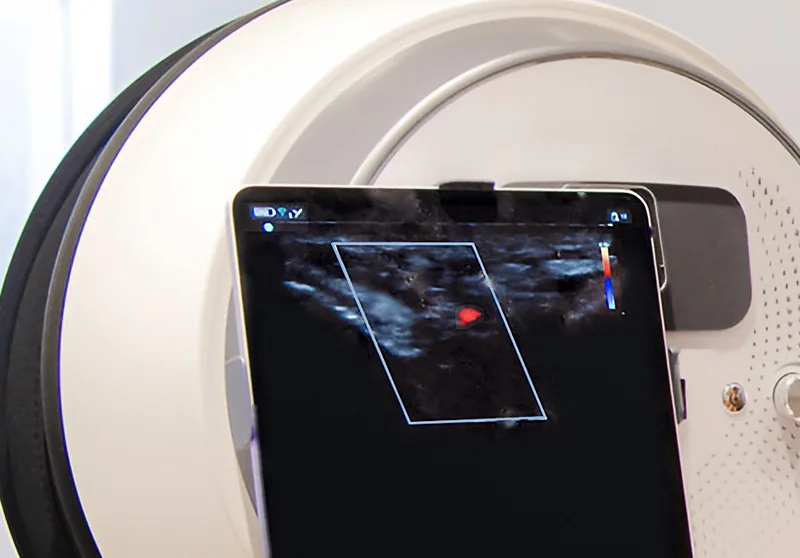
Ultrasound allows us to look beneath the skin using a small handheld probe.
It can help identify blood vessels and show the location and depth of some existing fillers. This can be particularly useful if you have had previous treatment, have a persistent lump or are considering further filler in an area where the anatomy needs closer assessment.
There is a difference between scanning an area before treatment and using ultrasound to guide a procedure in real time. Dr Ed will explain which approach is relevant to your plan.
Ultrasound also has limitations. It cannot reliably identify the brand of a previous filler, and not every product or deposit is clearly visible. The findings need to be interpreted alongside an examination and your treatment history.
It provides additional information; it does not make injections risk-free.
What concerns can dermal fillers improve?
A face can appear more hollow with age, after weight loss or because of its natural structure. Carefully placed filler may soften some hollows without making the whole face look fuller.
Read more about facial hollowing and volume lossThe relationship between your cheeks, chin, lips and jaw affects how your face looks from the front and in profile. Sometimes a modest change in one area can improve that relationship.
Read more about facial contour and proportionNasolabial folds and marionette lines may soften with treatment. These are normal facial features, however, and trying to erase them completely can create unnecessary fullness.
Read more about nose to mouth folds and marionette linesFiller may help a carefully chosen hollow beneath the eye. Dark circles can also come from pigmentation, visible vessels, thin skin or puffiness, which need a different assessment.
Read more about dark circles and under eye bagsLip filler can restore lost volume, refine the lip border or improve some differences in shape. The surrounding face and the way your lips move are part of that assessment.
Read more about lip volume and definitionDermal filler may restore structural support or soften disproportionate hollowing.
Read more about face and body changes after weight lossDermal filler may reveal that the main deficit is outside the cheek.
Read more about flat cheeks and loss of cheek definitionDermal filler may be relevant to a genuine support deficit, but is not the answer to every fold.
Read more about lines and wrinklesDermal filler can address a specific support deficit or contour transition in suitable patients.
Read more about jowls and lower face saggingFiller is not an automatic next step for a persistent frown line.
Read more about frown lines between the eyebrowsRestoring lost volume at the temple or midface can support the brow and outer eye from the side and below.
Read more about heavy or drooping eyebrowsDermal filler may be considered for a specific loss of support or a discrete depression.
Read more about downturned mouth cornersDermal filler may restore support where volume loss is relevant.
Read more about a tired looking face





Which areas can be treated?
Cheek filler can restore some areas of volume loss or improve definition. We assess the front and side of the cheek, rather than assuming everyone needs a more prominent cheekbone.
Adding too much volume, or concentrating it in the wrong place, can create an overly rounded or angular appearance.
Read about cheek fillerHollowing at the temples can make the upper face look more skeletal and affect the transition between the forehead and cheeks.
This area needs careful anatomical assessment. Ultrasound may help identify relevant structures before treatment.
Chin filler may improve projection, proportion or some asymmetry. Jawline filler can add definition where additional structure is appropriate.
Neither treatment removes fat or loose skin. If the lower face already feels heavy, adding volume may make that concern more noticeable.
Explore chin filler or jawline filler.Treatment can address lip volume, definition and some lines around the mouth. We consider your starting shape, dental support and facial proportions when planning the result.
Read about lip fillerNasolabial folds run from the nose towards the mouth. Marionette lines extend downwards from the mouth corners.
We assess why these folds have become more noticeable. Direct treatment may be appropriate in some cases, while others need a different approach. Repeatedly adding filler to a deep fold can make the surrounding area look heavy without resolving the underlying concern.
Watch Dr Ed explain treatment of nasolabial folds and marionette linesTear trough filler can soften a suitable hollow between the lower eyelid and cheek. It requires particularly careful patient selection.
Existing puffiness, fluid retention or significant skin laxity may make filler unsuitable. Some patients need treatment elsewhere, another type of treatment, or a surgical opinion.
Read about tear trough fillerNon-surgical rhinoplasty uses filler to change some nasal contours. Because it adds volume, it cannot physically make the nose smaller.
The nose is an area where vascular complications can be particularly serious. We discuss those risks separately, and non-surgical rhinoplasty at our clinic is performed with ultrasound guidance. Ultrasound does not remove the risk.
Read about non-surgical rhinoplasty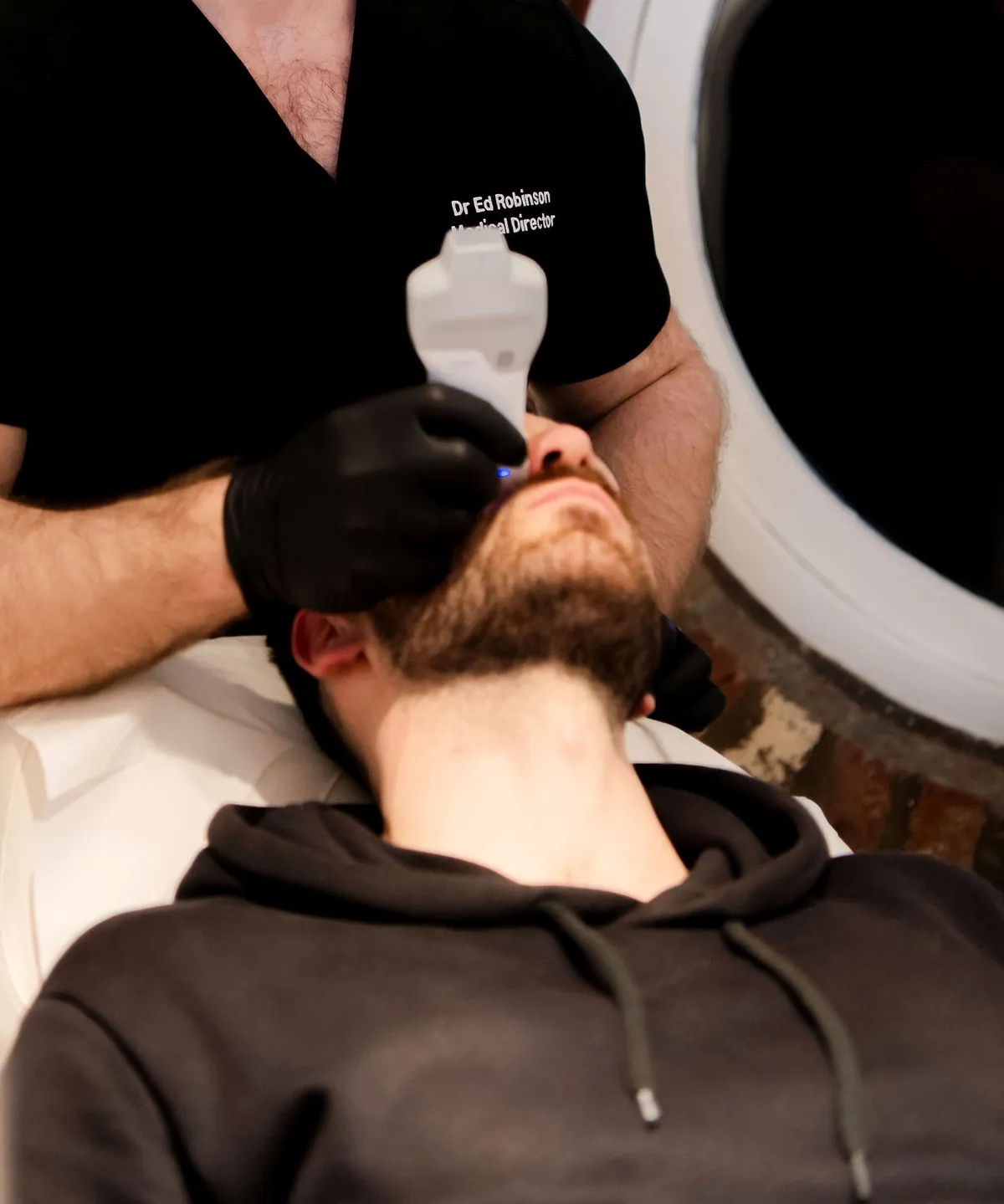

Are dermal fillers suitable for me?
Filler is most useful when adding volume or changing a contour addresses the problem.
If your main concern is sagging skin, surface texture, pigmentation or significant jowling, a different approach may be more appropriate.
At consultation, we also review your medical history, medications, allergies, previous procedures and expectations. Tell us about any previous filler, even if it was several years ago.
Treatment may need to be postponed or avoided if there is an active infection or inflammation in the area, or if your medical history creates additional risk. Cosmetic filler treatment is deferred during pregnancy and breastfeeding because safety has not been established.
You do not need to arrive knowing which treatment to book. Working out whether filler is appropriate is part of the consultation.
How should I prepare for treatment?
Please give us a complete list of your medications and supplements, particularly anything that affects bleeding or bruising.
Do not stop prescribed medication to prepare for filler unless the clinician responsible for it advises you to do so.
Tell us about:
- Previous filler, facial surgery or complications.
- Allergies, including reactions to local anaesthetic.
- A history of cold sores.
- Recent illness, skin infection or dental infection.
- Planned dental work, other aesthetic procedures or travel.
If you are preparing for a wedding or another important event, allow time for recovery and any necessary review. A first treatment immediately before an event leaves little room for unexpected bruising or swelling.

What happens at the appointment?
We begin with what you have noticed, what you would like to change and what you would prefer to preserve.
We explain the proposed areas, product, approximate quantity, expected benefits and limitations. You will also understand the cost, recovery, alternatives and relevant risks before deciding whether to proceed.
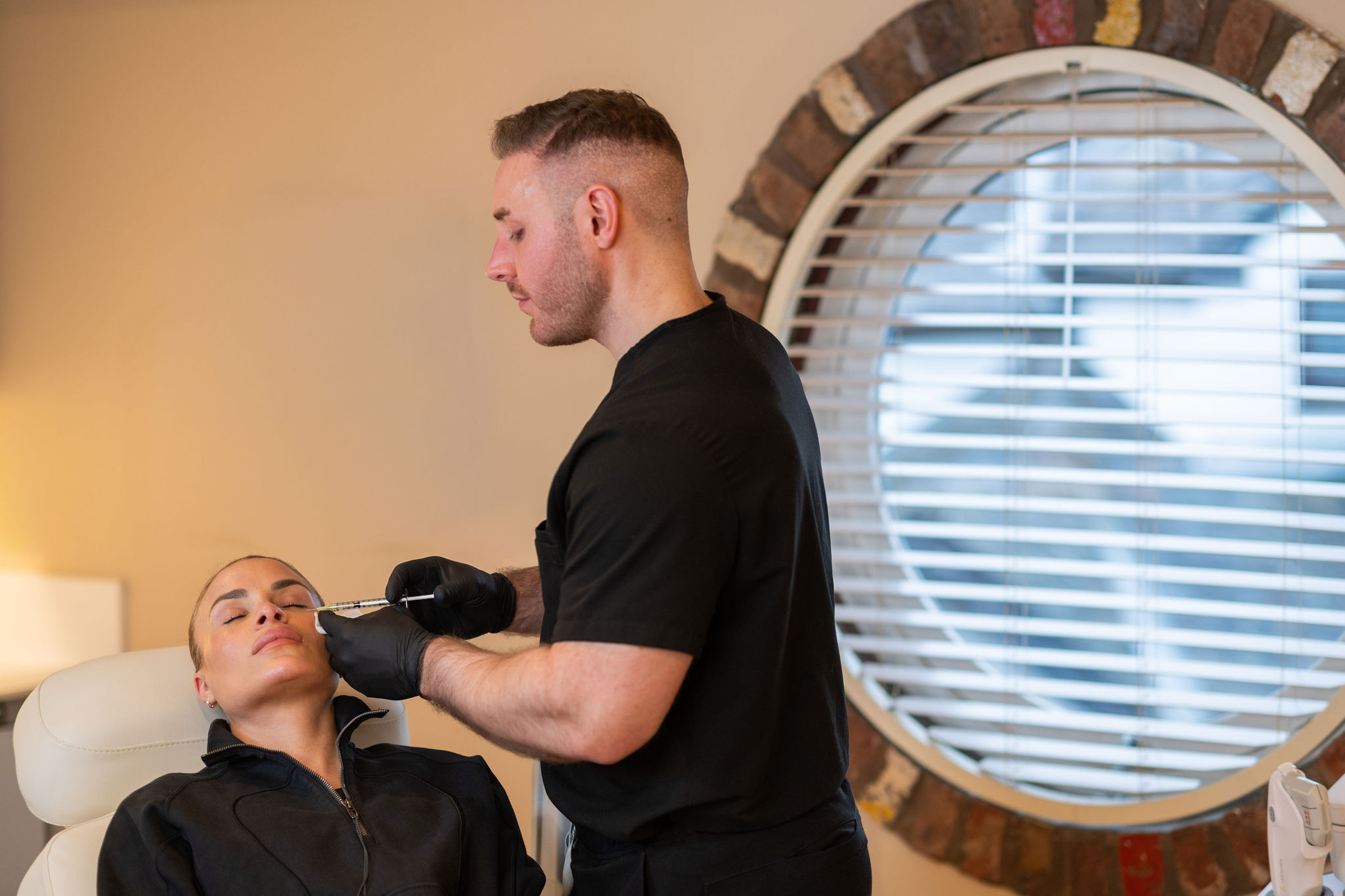
The skin is cleaned and the agreed comfort measures are used. Filler is placed according to the treatment plan, with ongoing assessment of the area.
Before leaving, you will receive instructions covering normal recovery, what to avoid and how to get help if something does not seem right.
How do you make dermal fillers more comfortable?
Being anxious about injections is common. Please tell us before treatment so we can discuss what would help.
Depending on the area and procedure, options include numbing cream, local anaesthetic contained in the filler and a local anaesthetic nerve block.
A nerve block temporarily reduces sensation in the area supplied by a nerve. Dr Ed’s background in anaesthesia informs this approach. You may still notice pressure or movement, and we do not promise a completely sensation-free treatment.
Nerve blocks require an injection and have their own risks, which we explain beforehand. They are used when appropriate to the treatment and your medical history.
A needle or cannula may be chosen for filler placement. A cannula is a fine, blunt-ended instrument introduced through a small entry point. The choice depends on the anatomy and treatment plan; neither technique eliminates vascular risk.

What does recovery look like?
Feeling well enough to return to work is different from looking fully settled.
Immediately afterwards
An initial change in contour, with possible redness, tenderness and swelling. This is not your final result.
The first few days
Swelling and bruising may be more noticeable. Some areas can feel firm or temporarily uneven.
Over the following one to two weeks
Most routine swelling and bruising should improve. Recovery varies with the area, product and individual.
Around two weeks and beyond
The result can usually be assessed more meaningfully. Persistent or worsening symptoms need review rather than an assumption that everything is still settling.
Temporary swelling, tenderness and bruising commonly settle within approximately 7 to 14 days, although recovery can be shorter or longer.
Follow your individual aftercare instructions. Our usual advice includes avoiding strenuous exercise, alcohol and excessive heat for the first 48 hours, and avoiding pressure or massage unless we have specifically advised it.
Ask when to restart makeup and active skincare over the treated area. Do not repeatedly press a lump to see whether it has disappeared.
What are the risks?
Alongside temporary swelling and bruising, complications can include infection, persistent lumps, inflammatory reactions, asymmetry, unwanted fullness and movement of filler beyond its intended position. Some problems can appear months or years after treatment.
A serious complication is vascular occlusion, where filler blocks a blood vessel. This can damage the skin and surrounding tissues. Rarely, filler injections can cause permanent visual loss or stroke.
These risks require proper consent even when treatment is performed by an experienced clinician.
We reduce avoidable risk through patient assessment, anatomical planning, appropriate product selection, careful technique and ultrasound where useful. Recognising a complication and arranging prompt treatment are also essential parts of care.
When should I contact the clinic?
Unusual or worsening pain, or skin becoming pale, grey, blue or mottled, needs immediate assessment. Contact your treating clinician urgently. If you cannot reach them promptly, seek emergency medical care.
Call 999 immediately for any sudden change in vision, stroke symptoms or difficulty breathing. Tell the emergency team you have recently had facial filler. Do not drive yourself or wait for a WhatsApp reply.
Existing patients with a concern after treatment: WhatsApp our complications line on 07868 809125. New enquiries: call or WhatsApp 0161 399 0631.
When will I see results?
An initial improvement is usually visible immediately with hyaluronic acid filler. Early swelling can exaggerate the change, so we normally allow approximately two weeks before judging the result.
Longevity varies considerably with the product, area, amount used and previous treatment. Some results soften over several months; others remain noticeable for a year or longer.
There is also a difference between how long you notice the cosmetic effect and how long filler remains in the tissues. Published imaging reports have identified residual hyaluronic acid filler years after injection. Those findings do not predict the duration of every treatment, but they are a reason to reassess before adding more.
Maintenance should be based on your current face and goals, rather than an automatic calendar reminder to replace the same amount.
How do dermal fillers compare with other treatments?
You do not need to choose the treatment before seeing us. The consultation should help you understand the options.
| Option | What we would discuss |
|---|---|
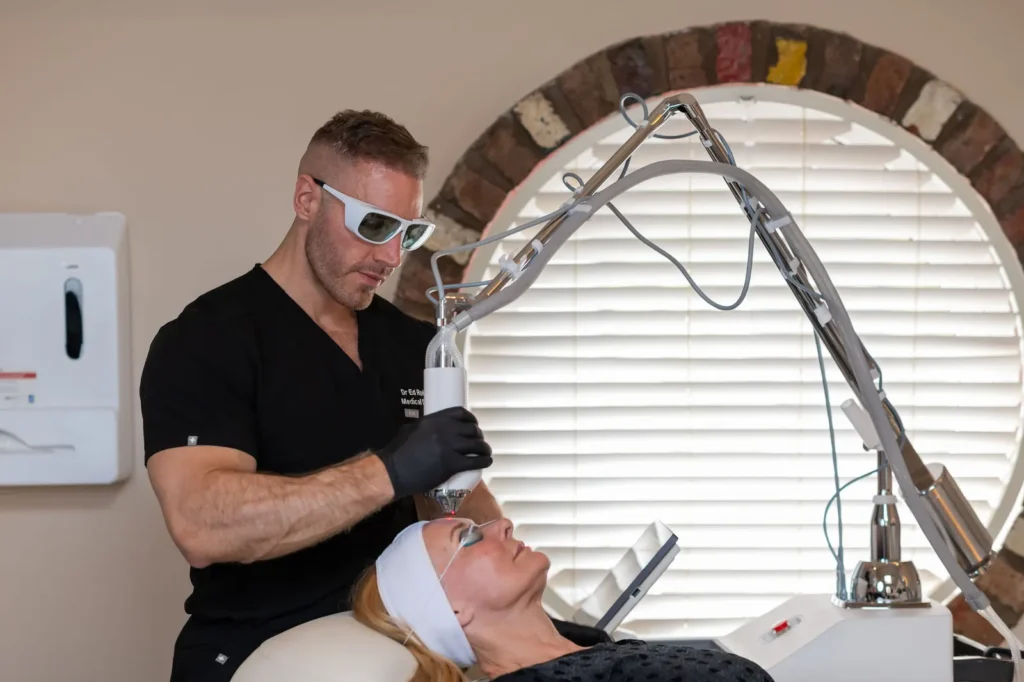
| HALO TRIBRID | Laser resurfacing when skin texture or sun damage is a main concern, subject to suitability. |
| MOXI | A lighter laser option when a gentler approach may suit your goals. |
| Lip filler | Dedicated detail on lip volume, definition and planning around movement. |
| Cheek filler | Restoring some volume or improving cheek definition with anatomical planning. |
| Chin filler | Projection, proportion and some asymmetry assessed for your lower face. |
| Jawline filler | Definition where additional structure is appropriate, not a substitute for removing fat or loose skin. |
The useful question is which approach is most appropriate for the change you want.
Explore HALO TRIBRID · Explore MOXI · Explore Lip filler · Explore Cheek filler · Explore Chin filler · Explore Jawline filler
Complementary Treatments
Different treatments address different parts of a concern.
If the main issue is skin texture or sun damage, we may discuss a skin treatment such as HALO TRIBRID or MOXI, subject to suitability.
If you are concerned about a particular feature, our dedicated lip, cheek, chin and jawline pages explain those treatments in more detail.
Significant loose skin may need a surgical opinion. Choosing to have no treatment is also a valid outcome of consultation.
HALO TRIBRID
Laser resurfacing when skin texture or sun damage is a main concern, subject to suitability.
Explore HALO TRIBRID

Lip filler
Dedicated detail on lip volume, definition and planning around movement.
Explore lip filler
Cheek filler
Restoring some volume or improving cheek definition with anatomical planning.
Explore cheek filler
Chin filler
Projection, proportion and some asymmetry assessed for your lower face.
Explore chin filler
Jawline filler
Definition where additional structure is appropriate, not a substitute for removing fat or loose skin.
Explore jawline fillerSkincare before and after dermal fillers
Skincare supports the condition of the skin overlying your facial contours. It cannot replace lost facial volume or make filler risk-free.
Immediately after treatment, keep your routine simple and follow our advice about when to resume products over the injection sites. A gentle cleanser and moisturiser may be more appropriate than exfoliating acids or retinoids while the skin is sensitive.
Once the skin has recovered, consistent sun protection and a routine matched to your skin concerns can support its longer-term appearance.
We can advise on suitable products from our skincare shop. There is no requirement to buy a special recovery kit to have filler treatment.

Medical thinking
Why choose Dr Ed Robinson Clinics?
A plan based on your anatomy
We explain why a treatment might help, what its limits are and when another option would make more sense.
Attention to comfort
Dr Ed has a background in anaesthesia, with nerve blocks available for some procedures alongside other comfort measures.
Ultrasound where it adds useful information
We can assess relevant anatomy and previous filler to support treatment decisions and investigate concerns.
Clear information about risk and aftercare
You should understand the potential complications before treatment and know how to contact us afterwards.
A CQC-rated service in Hale
Our registered Hale service is rated Good overall and Outstanding in leadership by the Care Quality Commission.
Dermal filler prices
The following are our published Hale guide prices. Your treatment plan and total cost are confirmed before treatment.
| Appointment or treatment | Guide price |
|---|---|
| Doctor consultation | £100 |
| Standard dermal filler, 1 ml | £500 |
| Additional syringe during the same appointment | £275 |
| Temple filler | £500 |
| Tear trough filler | £600 |
| Ultrasound-guided non-surgical rhinoplasty | £700 |
| Separate ultrasound consultation | £250 |
The doctor consultation fee is non-redeemable. If a separate ultrasound assessment is recommended, we will explain the charge and what is included in your treatment fee.
The amount of filler recommended depends on your anatomy and goals. You do not need to choose a number of syringes before attending.
What our patients say
Rated 5.0 on Google from 478 reviews
Frequently asked questions
Will dermal filler make my face look puffy?
It can if too much is used, if the product or placement is unsuitable, or if swelling persists.
Some swelling immediately after treatment is expected. Longer-lasting fullness needs assessment. We aim to reduce the risk of an overfilled appearance through conservative planning and by checking what is already present before recommending more.
How much filler will I need?
There is no reliable answer based only on your age or a photograph.
A small local concern may need a different approach from volume loss affecting several areas. At consultation, we explain the proposed quantity, what it is intended to achieve and whether staging treatment would be sensible.
What does “full-face filler” mean?
It means considering how different areas of the face relate to one another when planning treatment.
It should not mean injecting every area or prescribing a fixed package of syringes. A whole-face assessment may lead to a very limited treatment plan.
Can filler lift my face?
Filler can improve some contours and soften some shadows associated with volume loss. That can create an impression of improved support.
It does not remove excess skin or reproduce a surgical facelift. Adding increasing amounts to compensate for significant laxity can make the face look heavier.
Will filler remove my nasolabial folds completely?
Complete removal is usually neither realistic nor desirable. These folds are part of normal facial anatomy and become more prominent with expression.
The aim may be to soften a particular shadow or restore an appropriate amount of volume while preserving normal movement.
Does dermal filler migrate?
Migration can occur, but not every lump or area of fullness means that filler has moved. Swelling, the original placement and repeated treatment can also affect appearance.
An examination, and sometimes ultrasound, can help establish what is happening before deciding on further treatment.
Can hyaluronic acid filler be dissolved?
An enzyme called hyaluronidase can break down hyaluronic acid filler when clinically appropriate. The response varies, and more than one treatment may be necessary.
Dissolving has its own risks, including allergic reactions. It is not a guaranteed reset to your previous appearance, and the ability to dissolve filler does not guarantee reversal of every complication. Other types of filler do not respond in the same way.
Can I have treatment if I already have filler from another clinic?
Possibly. Please bring any information you have about the product, quantity, areas treated and dates.
If there is unexplained swelling, a lump or uncertainty about what remains, we may recommend assessment before adding anything further. Previous treatment does not automatically need dissolving.
Will my face look worse if I stop having filler?
You do not have to continue treatment indefinitely.
Your appearance may gradually change as the cosmetic effect reduces, while normal ageing and weight changes continue. Some filler can remain longer than expected, so we cannot promise a precise return to your original appearance or a fixed timetable.
Can men have dermal filler?
Yes. We assess your individual facial proportions and preferences.
Some patients want stronger definition; others want to soften hollowing or restore volume. We do not assume that everyone wants the same chin, cheek or jaw shape.
Can I return to work straight away?
You may feel well enough to do so, particularly for desk-based work. However, visible swelling or bruising can occur, and some jobs make the aftercare restrictions harder to follow.
If being photographed or appearing on camera matters, allow more recovery time.
Can I have filler before a holiday?
Tell us your travel dates before booking. You need time for recovery and access to appropriate care if a concern develops.
The timing should reflect the treatment planned, your destination and whether you will be able to attend a review if needed.
Is there a best age to start dermal filler?
There is no age at which everyone needs to start.
The decision should be based on a specific concern, your anatomy, medical suitability and what you hope to achieve. Having filler simply because of an approaching birthday is not a treatment plan.
Before you decide
Learn more from Dr Ed
If you would like to understand the reasoning behind treatment, these resources are a useful starting point:
Watch and learn
Why you should be underwhelmed by your anti-ageing result
Why a natural filler result often feels underwhelming at first, and why that is a good sign.
Watch and learn
What does good and bad filler look like?
Examples of how placement affects facial balance.
Watch and learn
Should you fill nasolabial folds and marionette lines?
Why the surrounding anatomy matters.
Watch and learn
What is a vascular occlusion?
Understanding a serious filler complication.
On the journal
Rapid weight loss and facial ageing
Discussing changes in volume and skin after weight loss.
Sky News
Dr Ed’s Sky News appearance
Discussing cosmetic treatment trends.