


Facial contour and proportion
Assessed by our doctors in Hale, Cheshire
Facial contour and proportion · Hale, Cheshire

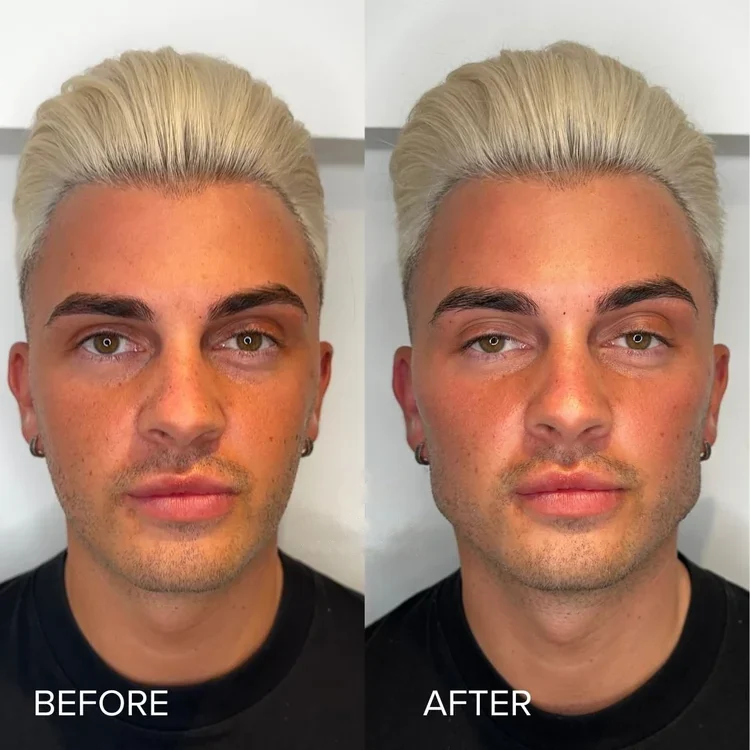
Facial contouring starts with how your features relate to each other. You may want more chin definition, less visible hollowing or a more balanced profile. We assess your face in movement as well as in still photographs, with the aim of making a considered change that fits your anatomy.
Hale clinic · Consultation first
You do not need to choose a treatment before contacting us. We start by understanding the cause, then explain whether a clinic pathway, observation or a referral is the more sensible next step.
At a glance
How we think about facial contour
 Assessment focus
We ask what you would like to change and what you would like to preserve.
 Possible pathways
Profile balancing, Facial dermal filler, Skin and laxity assessment
 Our approach
Understand the cause first; recommend treatment only when the likely benefit justifies the risk, recovery and cost.
 Medical care first
A new unexplained contour change, swelling or loss of movement should be assessed medically before it is treated as a cosmetic imbalance.
What this concern can involve
Facial shape reflects bone, fat, muscle, skin and inherited proportions. Ageing, weight change and previous treatment can alter the balance between them. A contour that looks flat may involve a lack of projection, while a heavy area may reflect tissue descent rather than excess fat alone. These distinctions matter because the same procedure can improve one pattern and make another less balanced.
Projection
A contour that looks flat may involve a lack of projection from the underlying structure.
Tissue descent
A heavy area may reflect tissue descent rather than excess fat alone.

Skin quality
Surface texture and laxity are separate from deeper contour.
Previous treatment
Earlier injectables or surgery can change the balance between features.
How we assess it
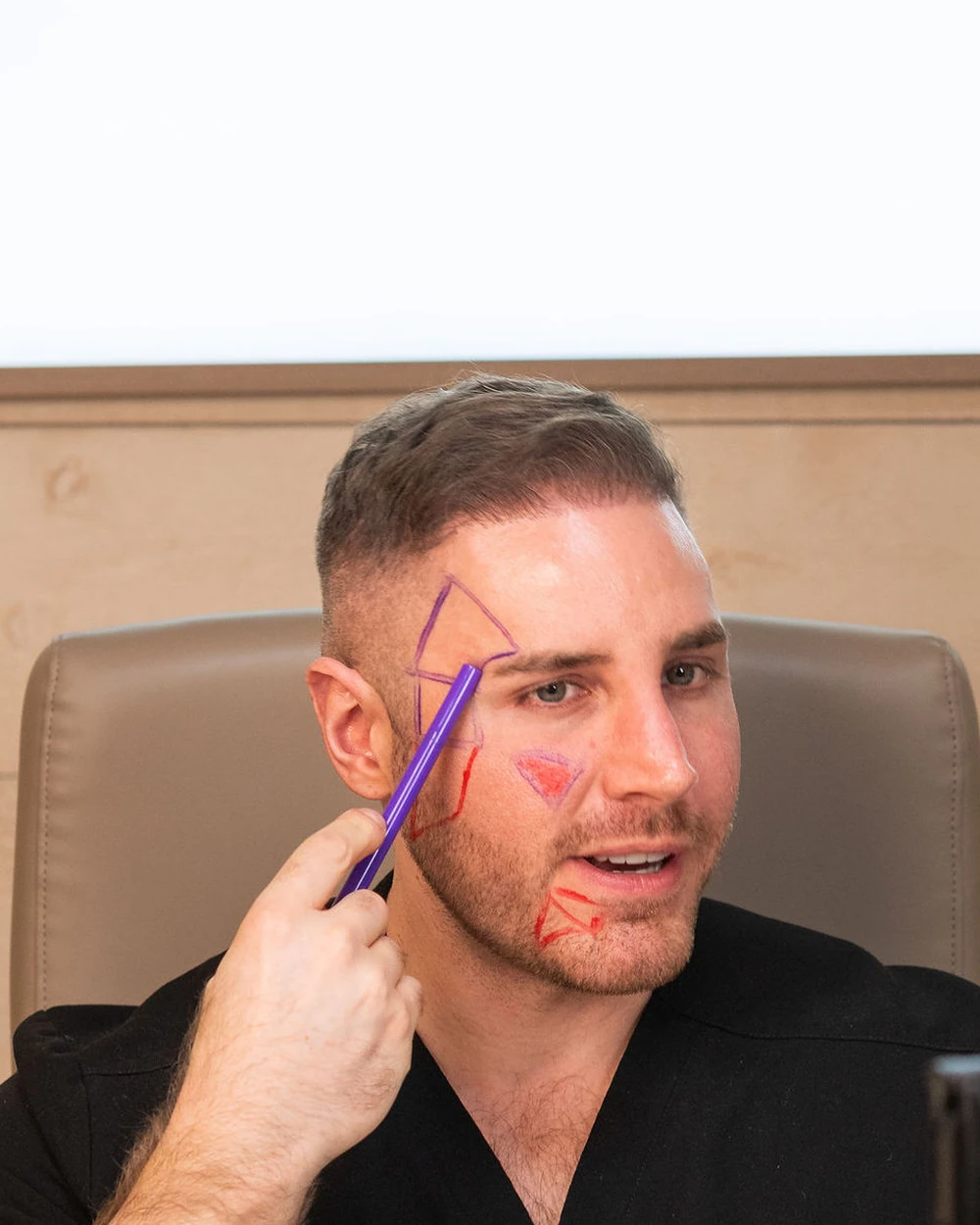
We ask what you would like to change and what you would like to preserve. Examination includes several views and your normal expression. We review previous injectables, surgery, dental treatment and any areas of altered sensation. We do not use a fixed set of facial ratios to decide that a normal feature needs treatment.
Assessment pathway
A useful contouring consultation follows a clear sequence rather than jumping to a product.
Goals
What you would like to change and, just as importantly, what you would like to preserve.
Examination
Several views and your normal expression, rather than a single still photograph.
History
Previous injectables, surgery, dental treatment and any areas of altered sensation.
Plan
A small number of priorities, a staged plan, observation or a referral.
Your consultation
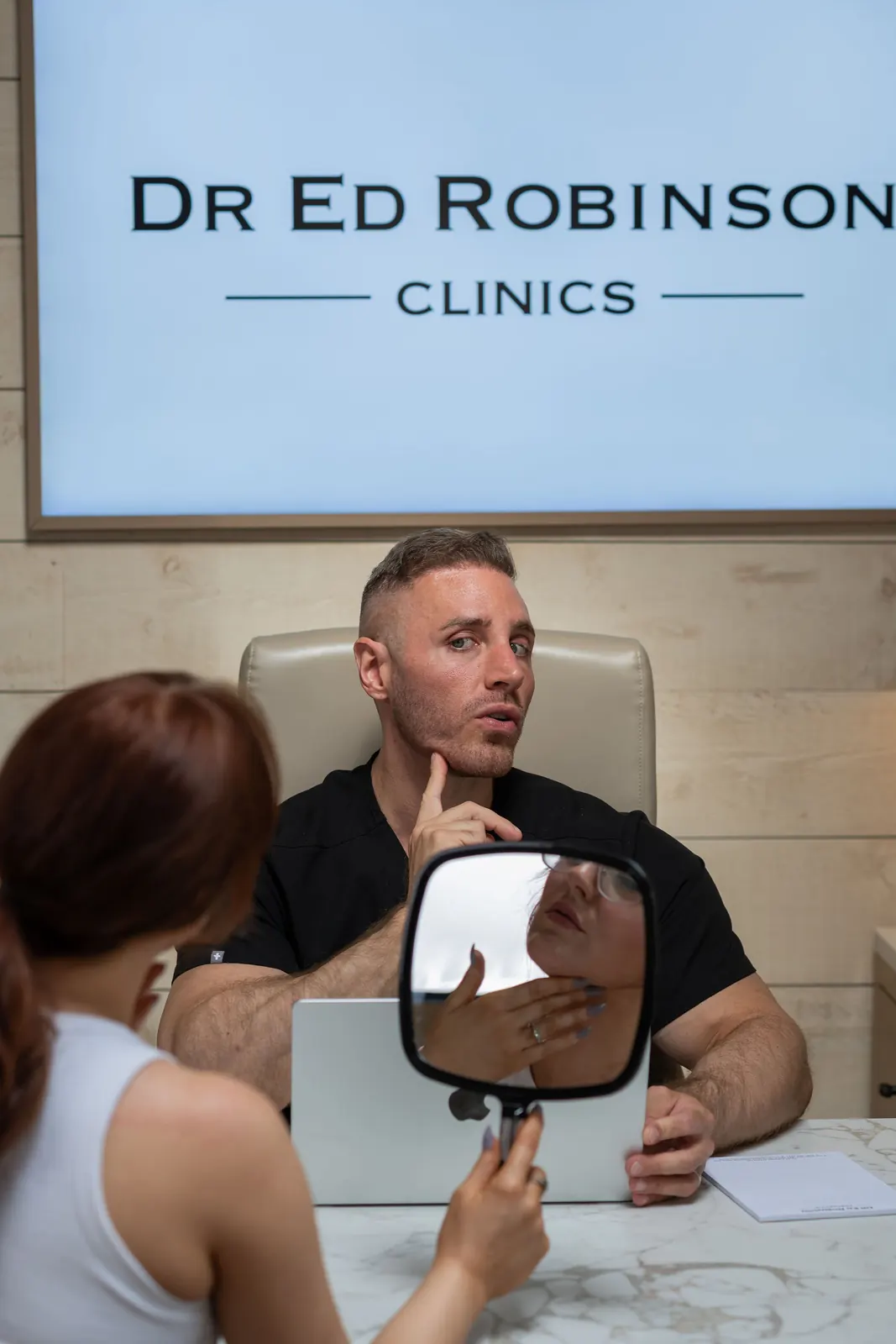
You do not need to choose a treatment before contacting us. Tell us what you have noticed, when it changed, what you have already tried and what a worthwhile result would look like to you. We consider your health, medication, previous procedures, skin or tissue characteristics and practical tolerance for recovery.
A useful consultation may lead to treatment, a staged plan, a period of observation or a referral. We would rather explain that an option is unlikely to help than place you into a course simply because the treatment is available.

Options we may discuss
Facial contour reflects several structures, so there is no single fix. Chin filler, jawline filler and Radiesse may also be part of the discussion, depending on what we find at consultation.



What treatment may realistically achieve
We aim to preserve your recognisable features. A dramatic change requested from a small intervention may be unrealistic, and we will explain that. Filler can cause asymmetry, persistent swelling and serious vascular complications. A staged approach allows settling and reassessment, but it is not a promise that everyone needs a long-term series of procedures.
Related concerns we may also discuss
Facial contour often sits alongside other chin, cheek and lower-face findings. These related concerns help frame the wider assessment.


Comfort, safety and clinical judgement
Comfort planning depends on the procedure. It may include topical or local anaesthetic, cooling, paced treatment or a nerve block where clinically appropriate. A nerve block is not needed for every concern, and comfort measures do not remove treatment risk.
For some injectable assessments, ultrasound may help answer an anatomical question, identify existing filler or guide aspects of treatment or complication management. It is an additional clinical tool, not a guarantee against bruising, vascular occlusion or other complications. Device treatments require the same attention to diagnosis, skin type, settings, eye protection, aftercare and escalation.
Nerve blocks and comfort
Where clinically appropriate, a nerve block can form part of comfort planning for injectable pathways. It is discussed beforehand and is not needed for every contouring concern.
Ultrasound as a clinical tool
Ultrasound can help when anatomy or residual filler is unclear. It supports clinical judgement; it does not remove the risks of treatment.
Medical thinking
Why choose Dr Ed Robinson Clinics
Our approach is medical, conservative and consultation-led. We look at how the concern fits the whole face, skin or health picture rather than treating an isolated photograph.
Cause before product
Bone, fat, muscle and skin all shape facial contour. We look at how your features relate before recommending a pathway.
Comfort planned with judgement
Comfort planning may include topical or local anaesthetic, cooling, paced treatment or a nerve block where clinically appropriate.
Honest next steps
A useful consultation may lead to treatment, observation or a referral. We would rather explain when an option is unlikely to help.
CQC Good · Hale registered service
The registered Hale service is rated Good overall and Outstanding in leadership by the CQC. That rating relates to the registered service at Hale; it should not be read as separate CQC approval of every cosmetic procedure.
Read the CQC report for the registered Hale service · Meet Dr Ed
5.0 Google rating from 478 reviews
“I really appreciated his focus on creating subtle yet impactful enhancements which still look natural and feel true to you.”
“tailored, personal consultations that lead to treatments that bring out your best features without unnecessary or over-the-top interventions.”
What you can do at home
Consistent lighting and an ordinary viewing distance give a fairer picture than repeated close-up selfies. Skincare may improve surface quality, but no topical product can precisely remodel the deeper shape of your face.
When to seek medical advice
A new unexplained contour change, swelling or loss of movement should be assessed medically before it is treated as a cosmetic imbalance.
Related videos, articles and results
Further reading and clinic media that can help you understand facial contour and proportion in context.


Frequently asked questions
Do you use the same facial proportions for everyone
No. Proportions can inform discussion, but personal identity, expression and preferences matter. A template cannot determine the right face for an individual.
Will filler make me look overfilled
Excess volume or unsuitable placement can do so. We discuss conservative goals and may advise against filler if adding volume would worsen the concern.
Can contouring make my face smaller
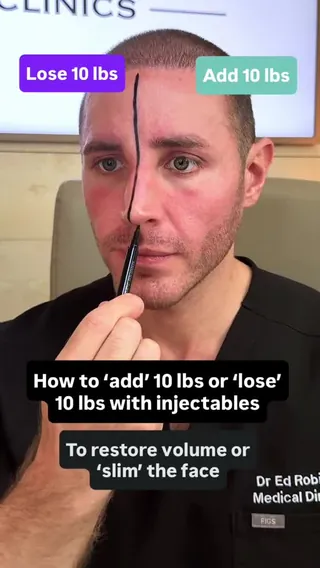
It may alter the visual balance, but filler adds material. It does not remove facial fat or change the size of the underlying bones.
Must several areas be treated together
No. We may explain how areas relate, but each proposed treatment should justify its own benefit. You can choose a smaller plan or no treatment.
Can I bring photographs
Yes, especially older photographs of yourself. They can help explain a change, but images of another person cannot guarantee what is achievable in your anatomy.
Can facial asymmetry be balanced
Most faces are slightly asymmetrical, and this is normal. Where one cheek, jawline or side of the chin looks flatter, or one jaw muscle is larger, small adjustments with filler or anti-wrinkle injections may improve balance. Asymmetry caused by bone structure, teeth position, nerve weakness or a previous injury may need a different specialist. We photograph and assess your face from several angles and explain what can and cannot be balanced before any treatment.