


Platelet-rich plasma (PRP)
In Hale, Cheshire
PRP · Hale, Cheshire
Platelet-rich plasma treatment in Hale, Cheshire
Platelet-rich plasma, usually shortened to PRP, is a regenerative treatment prepared from a small sample of your own blood. It can be used within carefully chosen treatment plans for the skin or scalp, with the aim of supporting the repair and renewal processes already taking place within your tissues.
PRP is not a dermal filler, and it does not physically replace lost volume. It is not a drug or a stem-cell treatment either. Instead, it uses a concentrated portion of your blood containing platelets and the signalling proteins they release. These signals are involved in healing, tissue communication and repair.
It is important to be clear about what that means. PRP does not force the skin to regenerate or make dormant tissue suddenly behave as though it were young again. It provides biological signals that may help healthy, functioning cells work more effectively. The response therefore depends upon the condition of the tissue, the concern we are treating and your own individual biology.
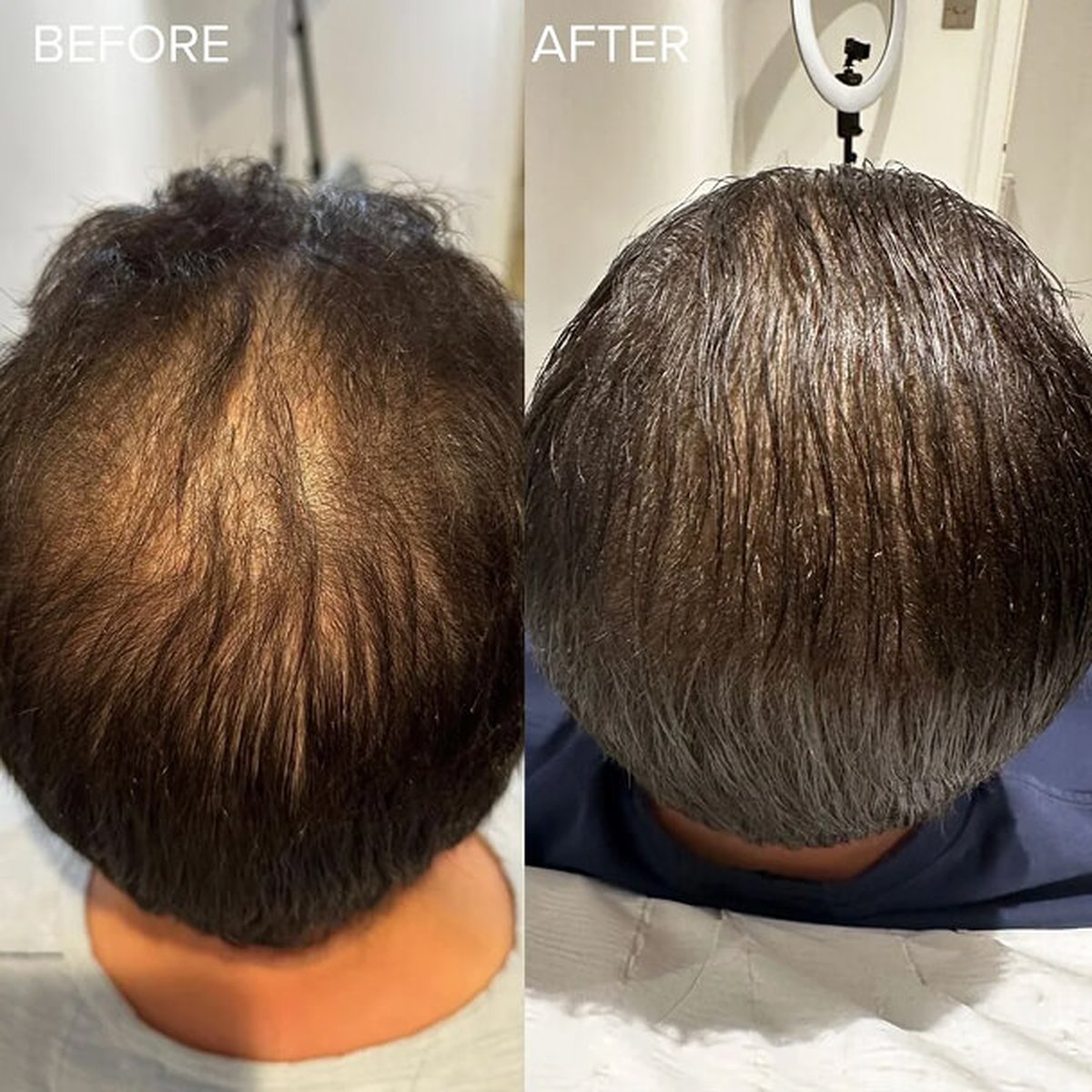
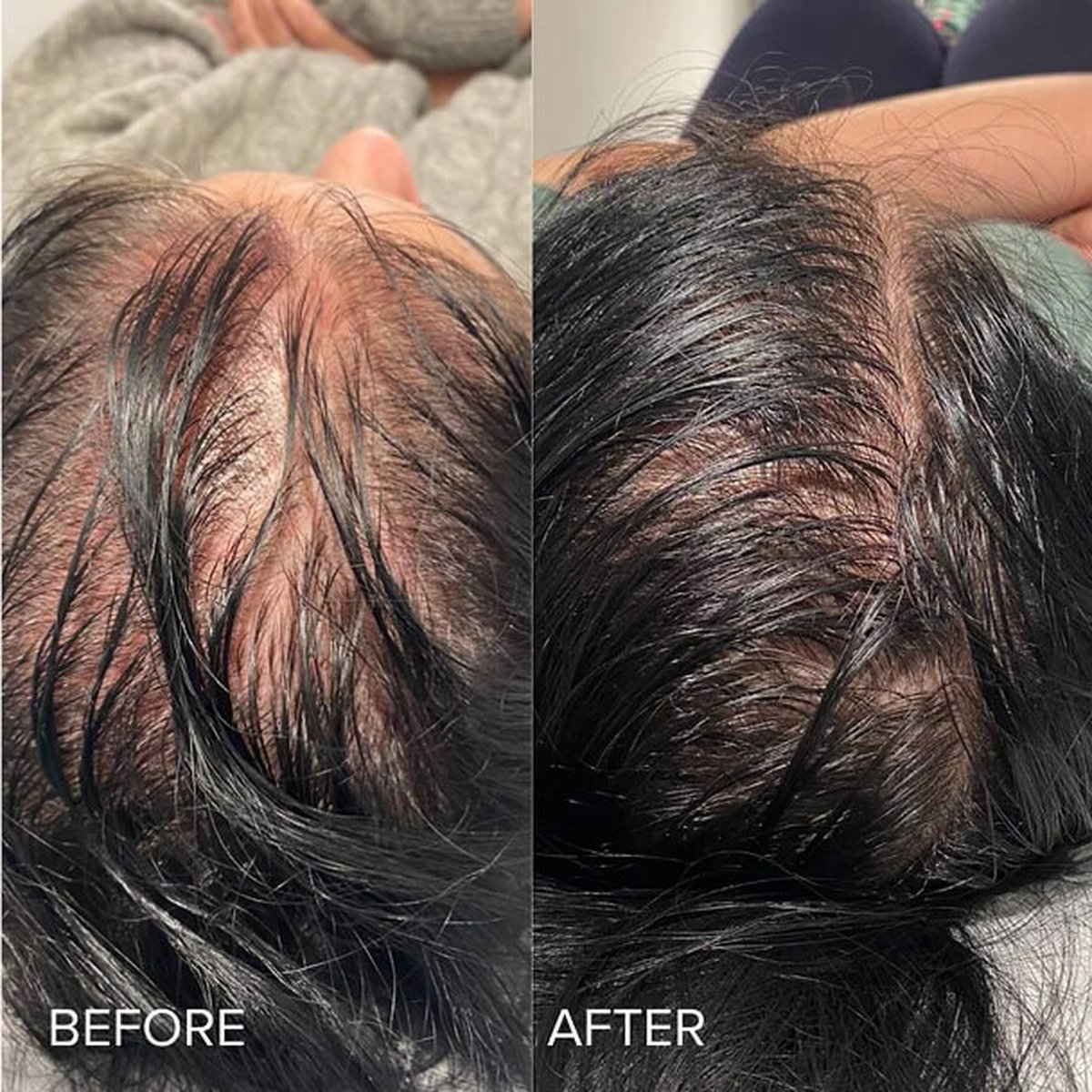
For the scalp, PRP may be considered to support existing hair follicles in certain forms of non-scarring hair loss, particularly pattern hair loss. For the skin, it may be used to support collagen remodelling, skin quality and recovery, either as a treatment in its own right or alongside procedures such as microneedling. These are different indications, and the way PRP is prepared, delivered and assessed should be appropriate to the problem being treated.
Because PRP comes from your own blood, it is sometimes presented as a treatment that is automatically natural, safe and suitable for everyone. That is a little too simplistic. Using your own blood reduces concerns about allergy to the treatment material, but it does not remove the need for a proper medical assessment, careful preparation or a realistic conversation about what PRP can, and cannot, achieve.
Consultation first
A consultation comes first so that we can carry out a proper medical assessment and have a realistic conversation about what PRP can and cannot achieve.
PRP at a glance
What to expect
 Appointment or treatment time
Often around 60 minutes including blood collection and preparation
 Comfort and anaesthesia
Local or topical measures; scalp blocks may be considered
 Recovery
Tenderness, swelling or bruising for several days is possible
 When to assess results
Skin outcomes take weeks; hair response is assessed over months
Care at our Hale clinicOur registered Hale service is rated Good overall and Outstanding in leadership by the CQC. Assessment-led planning before any treatment.


What is PRP?
To understand PRP, it helps to understand what we are actually taking from the blood.
Blood contains several different components. Red blood cells carry oxygen, white blood cells form part of the immune system, and plasma is the fluid in which these cells circulate. Platelets are very small cell fragments best known for helping the blood to clot. They also contain granules filled with growth factors and other signalling proteins involved in the body’s response to injury.
When tissue is damaged, platelets become activated and release these signals. They communicate with surrounding cells and help coordinate processes involved in healing, blood-vessel formation and tissue remodelling. PRP treatment is designed to concentrate a platelet-containing portion of the blood and place it into the area where we would like that signalling activity to take place.

A small blood sample is taken in much the same way as it would be for a routine blood test. The sample is placed into a centrifuge, which spins it at a controlled speed. Because the different components of blood have different densities, this allows them to separate into layers. The platelet-rich portion can then be separated and prepared for treatment.
"Platelet-rich" is a relative term. It means that the prepared plasma contains a higher concentration of platelets than the person’s untreated blood, but it does not describe one single, standardised product. Different preparation systems can produce quite different concentrations of platelets, white blood cells and red blood cells. The number and speed of centrifuge cycles, the part of the sample collected and whether the preparation is activated can all affect the final material.
The patient’s own blood also matters. Platelet levels and biological responses naturally vary between individuals. This is one reason that two people receiving what appears to be the same treatment may not experience precisely the same result.
You may also have heard terms such as PRF, or platelet-rich fibrin. PRP and PRF are related blood-derived preparations, but they are not identical. They are processed differently and have different physical and biological characteristics. They should not simply be grouped together as though the names were interchangeable.
PRP is also sometimes called a "vampire facial". That term is not particularly helpful. It turns a medical treatment into something of a gimmick and does not explain what is actually being done. The treatment is not about placing blood onto the skin. It is about preparing a specific platelet-containing fraction and using it in a controlled way for an appropriate clinical indication.
How does PRP work?
The easiest way to understand PRP is to think of it as a signalling treatment.
The platelets do not directly become new skin, collagen or hair follicles. Once they are placed into the treatment area and become activated, they release a range of growth factors and signalling proteins. These interact with cells already present within the tissue and may influence inflammation, repair, circulation and tissue remodelling.
What happens next depends upon where we are using PRP.

PRP for the scalp and hair
In the scalp, PRP is used to support existing hair follicles. The biological signals released by the platelets may help create a more favourable environment around follicles that are still present but have become weaker or progressively miniaturised.
Research suggests that PRP may help some people with pattern hair loss by supporting follicle activity, prolonging the active growth phase of the hair cycle and improving hair density or shaft thickness. It is not, however, capable of creating entirely new follicles.
This distinction is important. If a follicle is still present and functioning, even if it is producing a finer hair, there may be an opportunity to support it. If a follicle has been permanently destroyed by a scarring condition, or an area has been completely bald for a considerable time, PRP cannot manufacture a replacement follicle.
Not every form of hair loss should therefore be treated with PRP. Hair shedding can have many causes, including genetic pattern hair loss, hormonal changes, nutritional deficiencies, illness, stress, medication and inflammatory or scarring scalp conditions. Treating without first understanding the cause can waste time and may delay more appropriate medical care.
When PRP is suitable, it is generally better viewed as part of a longer-term hair strategy rather than a one-off treatment. Hair grows slowly, and any meaningful change must be assessed over several months using consistent clinical photography and, where appropriate, measurements of density or hair calibre.
PRP for the skin
Within the skin, the signals released by platelets may communicate with fibroblasts, the cells involved in producing collagen and other components of the skin’s supporting structure. PRP may also help support the controlled healing response created by treatments such as microneedling.
The intention is to encourage gradual improvement in the quality and behaviour of the skin rather than to change its shape. Depending upon the treatment plan, this may translate into improvements in texture, fine lines, resilience or general skin quality.
PRP does not behave like a dermal filler. It will not replace a significant loss of facial volume, recreate structural support or produce an immediate lifting effect. It is also not a substitute for a laser or peel when the main concern is substantial pigmentation, redness or surface damage. Sometimes it can complement these treatments, but it should not be expected to reproduce what they do.
The response is usually gradual because we are waiting for the tissue to respond to the biological signals and begin its own remodelling process. Changes, where they occur, tend to develop over a period of weeks to months rather than appearing immediately after the appointment.
PRP is often recommended as a course because repeated treatments provide repeated periods of signalling and tissue response. However, the number and spacing of treatments should be based on the indication, the quality of the available evidence and the way your skin or hair responds, not simply on a universal package applied to every patient.
What concerns can PRP help with?
It is not a cure for all hair loss, an alternative to diagnosing scalp disease or a guaranteed way to regrow a hairline. Benefits from a combined treatment cannot automatically be attributed to PRP alone.
Pattern hair loss after assessment. A diagnosis is essential before a scalp course, particularly with sudden shedding or signs of scarring.
Read more about hair thinning and hair lossSome skin-quality or scar-related plans may be considered after assessment.
Read more about dullness and reduced skin radianceBenefits from a combined treatment cannot automatically be attributed to PRP alone.
Read more about acne scars and marks after acne

Which areas can be treated?
Scalp and some facial areas. The evidence, technique, comfort plan and expected result differ between hair and skin treatment.
Is PRP suitable for me?
Before treatment we review your medical history, medicines, allergies and previous procedures.
Please tell us about:
- Immune conditions
- Bleeding problems
- Active skin disease
- Cold sores
- Recent dental infection
Never stop a prescribed medicine simply to prepare for an aesthetic appointment without advice from the prescribing clinician.
We may postpone treatment if the skin is inflamed or infected. Elective cosmetic injections are deferred during pregnancy and breastfeeding.
Blood disorders, platelet problems, infection, anaemia and relevant medicines can affect suitability. Do not stop antiplatelet or other prescribed medication without the responsible clinician’s advice. We explain the preparation system and whether the proposed application is supported for your concern.
How should I prepare for treatment?
Preparation starts at your consultation.
Your health and history
Tell us about immune conditions, bleeding problems, active skin disease, cold sores and recent dental infection.
Medicines
Never stop a prescribed medicine simply to prepare for an aesthetic appointment without advice from the prescribing clinician.
If your skin is inflamed
We may postpone treatment if the skin is inflamed or infected.
Blood health
Blood disorders, platelet problems, infection, anaemia and relevant medicines can affect suitability. Do not stop antiplatelet or other prescribed medication without the responsible clinician’s advice.
What happens at the appointment?
Your appointment begins with assessment and consent, including a discussion of the exact product, its purpose and whether a course is justified. We document your starting point, clean the skin and use the agreed comfort measures. Small amounts are placed according to the product and anatomical plan. We check the treated area before you leave and explain the expected recovery and when a review would be useful.
Discussion of the exact product, its purpose and whether a course is justified.
We document your starting point, clean the skin and use the agreed comfort measures.
Small amounts are placed according to the product and anatomical plan.
We check the treated area and explain recovery and when a review would be useful.
How do you make PRP more comfortable?
Blood collection involves a needle and scalp or facial treatment can be uncomfortable. Topical or local anaesthetic measures may be used. A modified scalp block can be considered by Dr Ed where appropriate, with its own consent and risks.
What does recovery look like?
Keep the area clean and avoid rubbing, pressure or massage unless specifically instructed. Follow advice on makeup, exercise, heat and active skincare. Small injection-site bumps and bruises may remain visible after you feel well enough to resume normal activities. Do not take anti-inflammatory medicines or antihistamines routinely just because of an online aftercare suggestion; ask for advice if symptoms need treatment. Follow scalp-specific washing and exercise advice if treating hair. Do not add unapproved topical products to recently treated skin or scalp.
Immediately afterwards
Keep the area clean. Small injection-site bumps may be visible.
The first day or two
Avoid rubbing, pressure or massage unless specifically instructed. Follow advice on makeup, exercise and heat.
While settling
Bumps and bruises may remain visible after you feel well enough for normal activities.
Medicines and review
Do not take anti-inflammatory medicines or antihistamines routinely from online aftercare lists; ask if symptoms need treatment.
What are the risks?
Temporary bumps, redness, swelling, tenderness and bruising can occur. Infection, persistent lumps, inflammatory reactions and allergy are less common but possible. Any injection into the face requires anatomical planning and an appropriate response to complications. A product described as natural or regenerative is not automatically risk-free. Blood collection can cause bruising or fainting. Using your own blood reduces some material-related concerns but does not eliminate infection, processing or injection risks. Sterile preparation and correct patient identification are essential.
When should I contact the clinic?
Contact the clinic promptly if pain, redness or swelling is worsening rather than settling, or if you develop spreading redness, discharge, fever or unexpected skin changes. Call 999 for a severe allergic reaction, breathing difficulty or another medical emergency. Do not wait for a routine message reply if urgent care is needed.
Existing patients with a concern after treatment: WhatsApp our complications line on 07868 809125. New enquiries: call or WhatsApp 0161 399 0631.
When will I see results?
A course is often considered, but the interval and number depend on the indication. Hair photographs need consistent lighting, length and styling. We review response over months, and discuss maintenance only when the benefit justifies the commitment.
How does PRP compare with other treatments?
You do not need to choose the treatment before seeing us. The consultation should help you understand the options.
| Option | What we would discuss |
|---|---|
| SkinPen microneedling | Skin concerns with a different technique. |
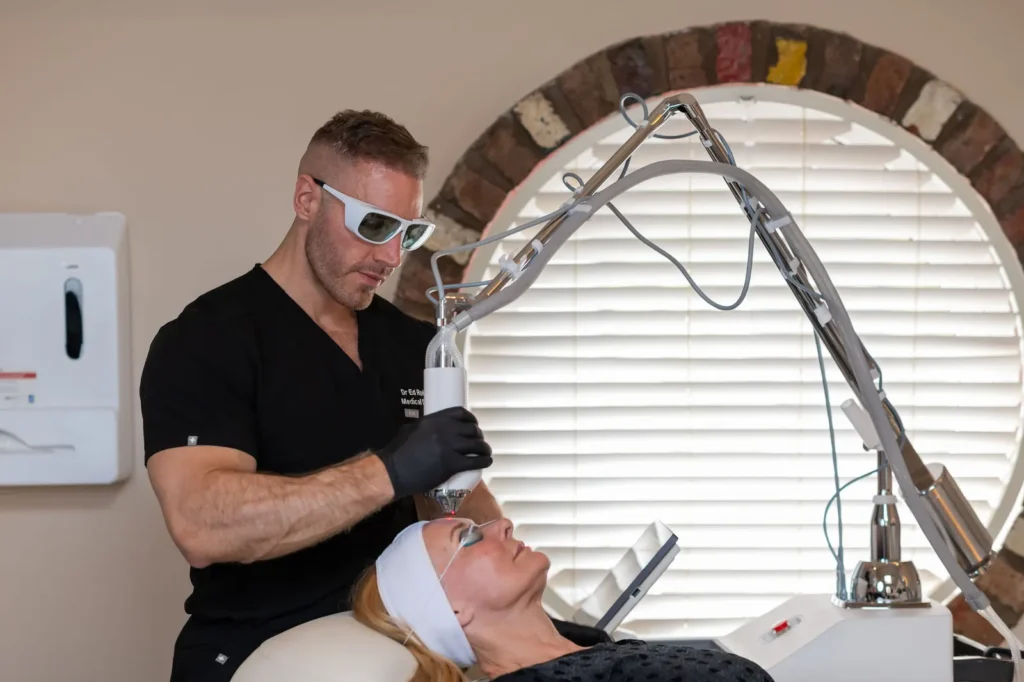
| HALO TRIBRID | Laser resurfacing for some texture concerns. |
| Profhilo | Skin-quality injectable when appropriate. |
| Polynucleotides | Another injectable skin-quality option. |
The useful question is which approach is most appropriate for the change you want.
Explore SkinPen microneedling · Explore HALO TRIBRID · Explore Profhilo · Explore Polynucleotides
Complementary Treatments
Start with a hair-loss assessment for scalp concerns. SkinPen microneedling and laser resurfacing may be considered for some skin concerns.



Skincare before and after PRP
During recovery, use the products and timing recommended for the procedure. Do not put active products onto irritated, raw or incompletely healed skin simply because they are part of your usual routine. Once suitable, daily broad-spectrum sun protection and a manageable skincare routine help care for the skin over time. We can review what you already own and suggest suitable options from our skincare shop. Buying products from us is not a condition of treatment.

Medical thinking
Why choose Dr Ed Robinson Clinics?
Our approach starts with understanding your concern and what you would like to change.
A clear explanation of the recommendation
You should understand why a treatment is being suggested, what it is expected to improve and what other approaches are available. We want you to feel able to ask questions and take time over the decision.
Comfort planned alongside treatment
Dr Ed’s background in NHS anaesthesia informs the clinic’s approach to comfort, including nerve blocks for some treatments.
A plan for the whole process
Preparation, the appointment and recovery belong in the same conversation. Knowing how to care for yourself afterwards is as important as understanding what will happen in the treatment room.
Our Hale clinic is CQC rated Good
The Hale service is rated Good overall and Outstanding in leadership. The report was published on 14 August 2026. The CQC listing currently appears under the former clinic name, Dr Ed Robinson Aesthetics.
PRP prices
Your proposed treatment, number of sessions, relevant consultation charges and total cost are explained before you decide. Confirm consultation charges and whether any fee is redeemable before booking. See our current prices or ask the team for a quotation for your plan.
| Appointment or treatment | Guide price |
|---|---|
| Doctor consultation | £100 |
| PRP course / session | Quoted at consultation |
Guide prices shown for planning; your individual quotation is confirmed at consultation. See our current prices page for published figures.
What our patients say
Rated 5.0 on Google from 478 reviews
Frequently asked questions
Is PRP a stem cell treatment
No. Standard PRP is a platelet-containing blood preparation. Describing it as stem-cell therapy would misrepresent what is being administered.
Does PRP work for every type of hair loss
No. Pattern loss, temporary shedding, inflammatory disease and scarring alopecia have different causes. Some require medical treatment or specialist referral, and delaying that care for a course of PRP can be unhelpful.
Is PRP the same as PRF
No. Preparation methods and the resulting components differ. We explain the exact system being used. Evidence for one preparation should not be assumed to apply to every blood-derived product.
Can I use PRP instead of other hair treatment
That depends on the diagnosis and your preferences. Some patients use it as an adjunct. It should not replace a treatment with a clearer role simply because it is described as natural.
Can I return to work afterwards
You may feel well enough to resume normal activities, but visible bumps, bruising or swelling can occur. Recovery is individual. Allow time before events and follow the restrictions discussed for your particular treatment.
Can this replace a facelift or filler
No single skin-quality treatment replaces every other approach. These treatments have different purposes. We explain whether your concern relates mainly to skin quality, volume, movement or excess skin before suggesting a plan.
Can I combine this with other treatments
Sometimes, but the sequence and interval matter. Tell us about planned laser, dental or injectable treatments so we can coordinate care. Combining procedures should have a clear reason rather than simply adding more treatments.
Before you decide
Learn more before deciding
A little more understanding, when you want it.
Watch and learn
Comfortable hair loss treatment
How we plan comfort for scalp treatments, including local anaesthetic scalp blocks where appropriate.
Watch and learn
Dr Ed’s treatment explanations
Video explanations from Dr Ed on treatments and what to expect.
Treatment comfort
Nerve blocks and comfort planning
How Dr Ed uses nerve blocks alongside topical anaesthetic and cooling to plan comfort for some treatments.
In the press
More from Dr Ed
Related press articles from the clinic.
Business Cheshire
Dr Ed Robinson combines medical techniques and new technology to advance aesthetic treatments
How Dr Ed combines established medical techniques with new technology: regional nerve blocks, ultrasound, and AI to support clinic care.
Gathered
Are you secretly damaging your skin? Experts want you to make this change when applying SPF
Common SPF mistakes, including storing sunscreen in hot cars and applying too little, with the two-finger rule for face and neck.
World Lifestyler
Sun Safety Over Social Media Myths: Why Anti-SPF Advice Puts Young People at Risk
Bylined article by Dr Ed on anti-SPF social media trends and why they put young people at risk.