


At Dr Ed Robinson Clinics, we offer cryotherapy as a safe and effective treatment for a range of benign skin lesions. Cryotherapy works by applying extreme cold to the lesion, causing the abnormal tissue to freeze and gradually fall away as the skin heals. All lesions are assessed by our Dermatologist, Dr Alex, who specialises in the diagnosis and management of skin lesions. Following a comprehensive consultation, he will recommend whether cryotherapy is the most appropriate treatment option for your condition.
At a glance

5-30 minutes depending on the lesion type, size and number of lesions being treated

Usually not required

Minimal

Lesion gradually resolves over several days to weeks
Benefits of Cryotherapy
-

QUICK AND EFFECTIVE TREATMENT
Cryotherapy is a fast procedure that can often be performed during a single appointment with little disruption to your day. -
MINIMALLY INVASIVE APPROACH
Treatment does not usually require injections, incisions, or stitches, making it a convenient option for many benign lesions. -
MINIMAL DOWNTIME
Most patients can return to normal activities immediately following treatment, with only mild temporary skin changes during healing. -
IMPROVED SKIN COMFORT
Treating lesions can help reduce irritation, discomfort, or catching on clothing, jewellery, or during shaving.
What areas can be treated?

FACE
BODY
What conditions can a Cryotherapy help with?
Warts

Cryotherapy is commonly used to treat warts by freezing the affected tissue. The treated wart gradually dries, shrinks and falls away as the skin heals. Some lesions may require more than one treatment session depending on their size and location.
Skin Tags
Cryotherapy can be used to treat certain skin tags, causing the tissue to freeze and separate naturally from the surrounding skin over time. Treatment suitability depends on the size and location of the lesion.
Seborrhoeic Keratoses
Cryotherapy may be suitable for selected seborrhoeic keratoses. Freezing the lesion causes it to gradually break down and shed during the healing process.
Actinic Keratosis
Cryotherapy is commonly used to treat actinic keratoses by freezing and destroying the sun damaged cells. The treated area gradually heals, allowing healthy new skin to replace the damaged tissue.
Milinilialia
Cryotherapy may be suitable for selected milia, particularly when they are persistent or cosmetically bothersome. Freezing the lesion encourages it to break down and clear as the skin heals.
Cherry Angioma
Selected cherry angiomas can be treated with cryotherapy to safely destroy the small cluster of blood vessels. The lesion will gradually shrink and disappear during the healing process.
Angio-fibroma
Cryotherapy may be appropriate for selected angio-fibromas, depending on their size and location. Freezing the tissue causes the lesion to gradually break down as the skin recovers.
Dermato-fibroma
Some dermato-fibromas may be suitable for cryotherapy, although treatment depends on the individual lesion. Freezing the tissue can help reduce its size and improve its appearance over time.
Sebaceous Hyperplasia
Cryotherapy can be used to treat selected sebaceous hyperplasia lesions by freezing the enlarged oil glands. The treated area gradually heals, leaving the skin smoother in appearance.
Solar Lentigo
Cryotherapy is an effective treatment for many solar lentigines, also known as age spots or sun spots. Freezing the excess pigment allows the treated lesion to fade as fresh skin replaces it.
Our Approach
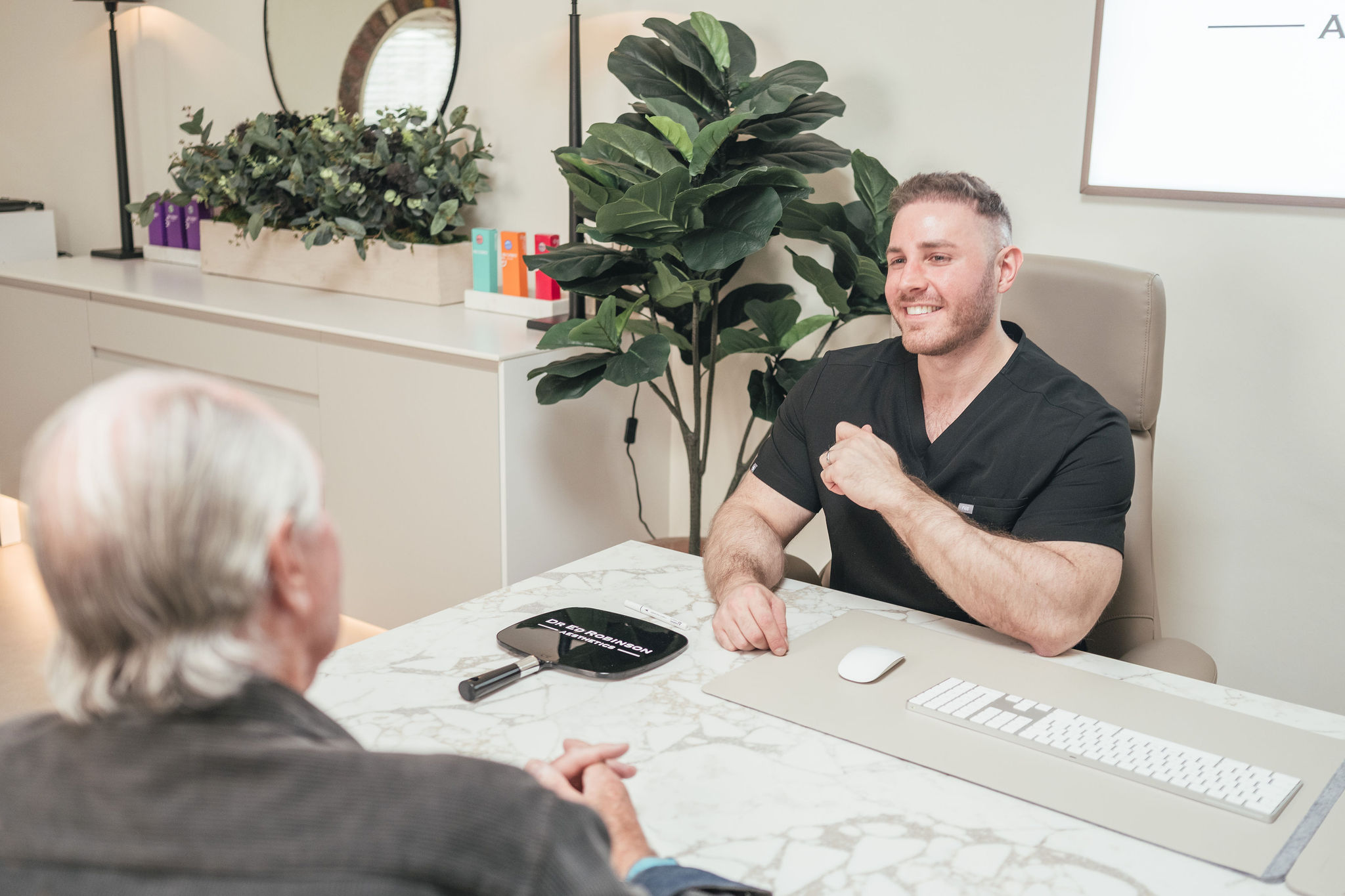
Dermatology Expertise
Patients are assessed by Dr Alex, Dermatologist, who will determine whether cryotherapy or an alternative treatment approach is most appropriate.
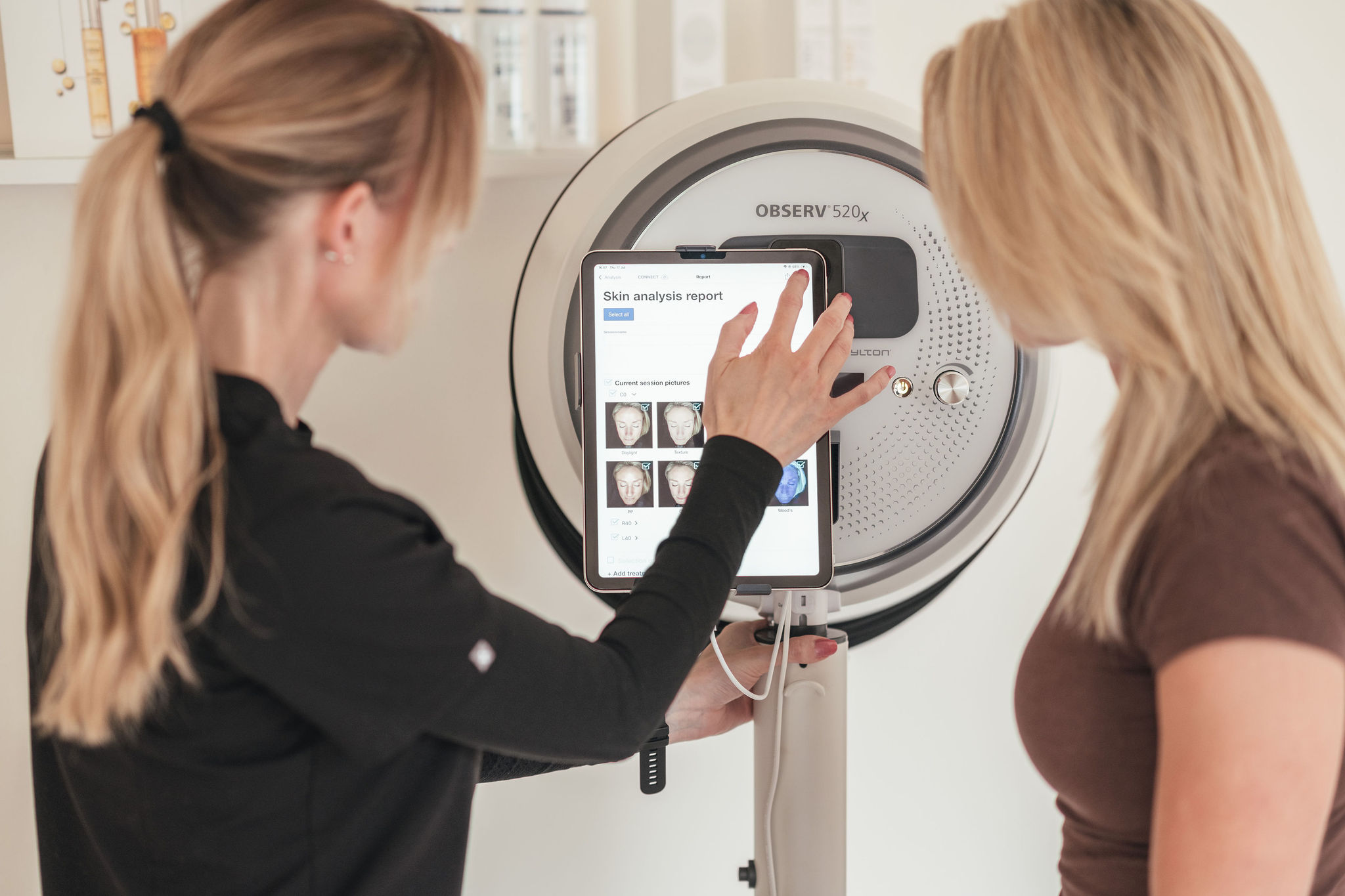
Careful Assessment
All lesions are carefully assessed before treatment to ensure they appear benign and suitable for cryotherapy.
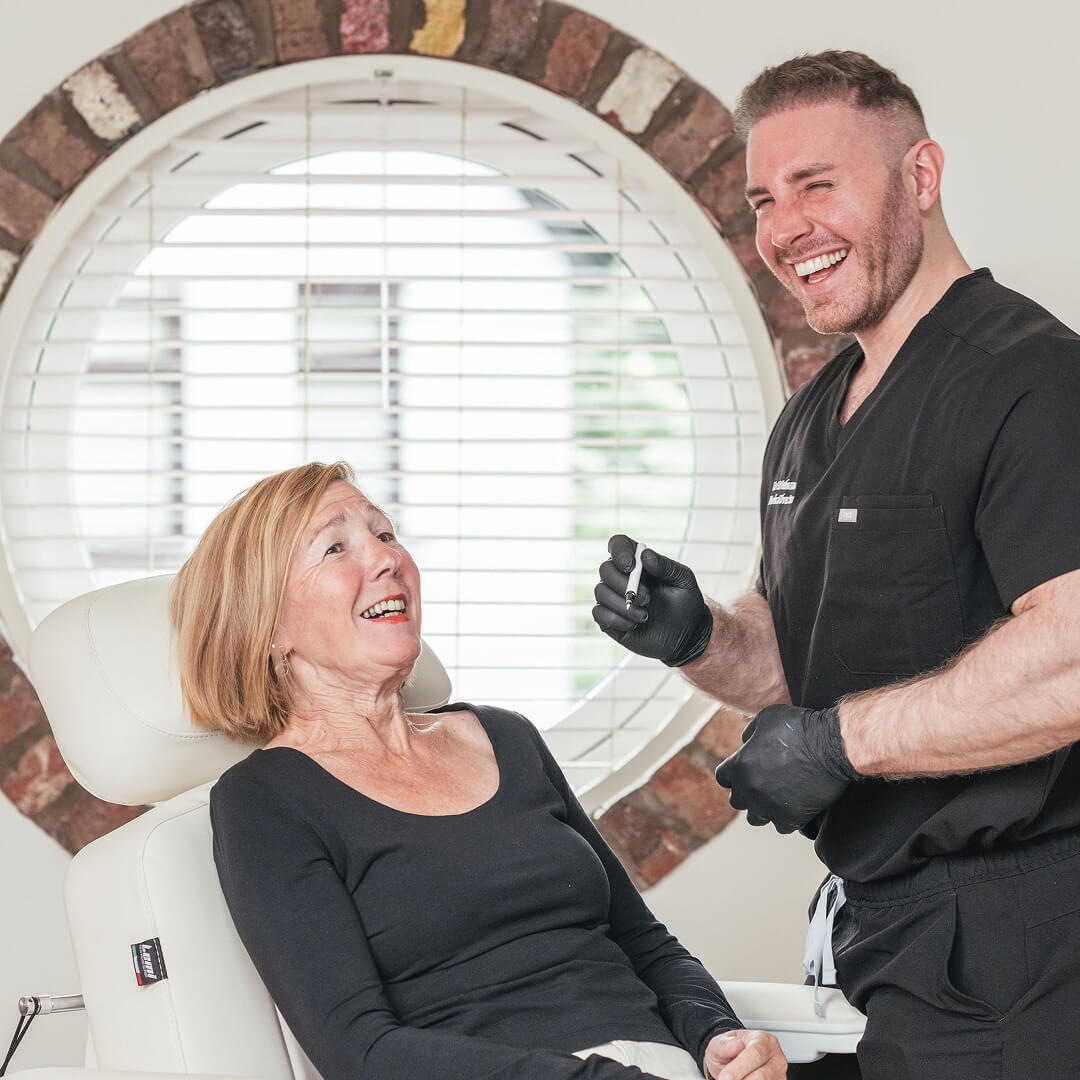
Precision Treatment
Cryotherapy allows controlled application of extreme cold directly to the lesion while minimising impact on surrounding skin.
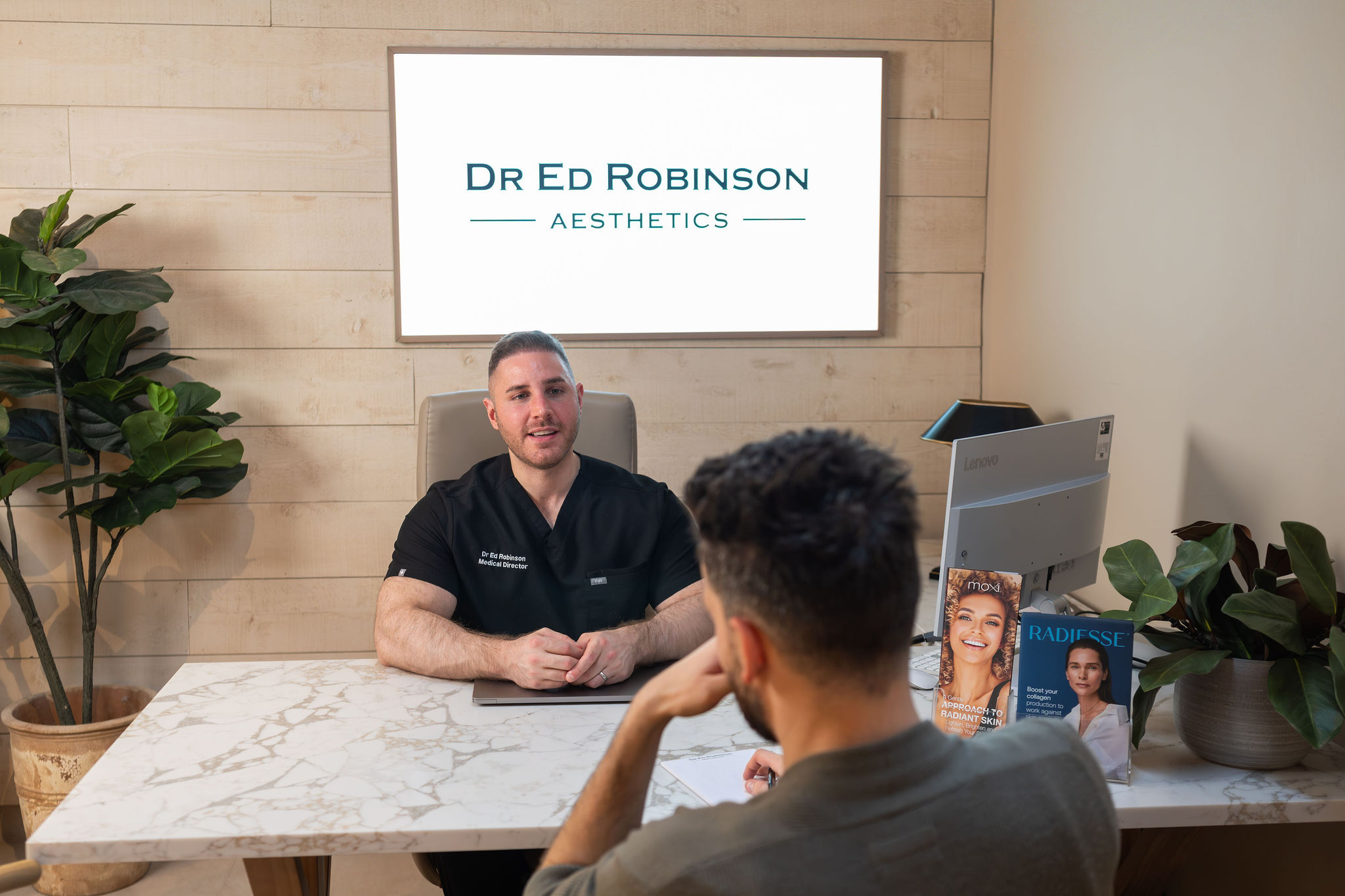
Patient Safety
Our priority is always safe treatment with the most appropriate method for each lesion.
Cryotherapy Aftercare

What to Avoid
• Picking or scratching the treated area
• Bursting any blister that may develop following treatment
• Excessive sun exposure while the area is healing
• Applying potentially irritating skincare products until the skin has recovered

Comfort & Recovery Tips
• Keep the area clean and dry
• Allow any scab or crust to fall away naturally
• Apply sunscreen to exposed treated areas once healing has occurred
• Contact the clinic if you experience unexpected redness, swelling or discomfort
FAQs
For more general enquiries, please take a look at some of our frequently asked questions.
What is cryotherapy?
Cryotherapy is a treatment that uses extreme cold to freeze and destroy unwanted tissue. It is commonly used to treat benign skin lesions such as warts, skin tags and certain keratoses.
Does cryotherapy hurt?
Most patients experience a brief stinging, cold or burning sensation during treatment, which typically settles quickly afterwards.
How many treatments will I need?
Some lesions respond after a single treatment, while others may require additional sessions depending on their size, thickness and location.
Will there be a scar?
Cryotherapy is designed to minimise scarring, although all skin treatments carry some risk of temporary colour changes or minor scarring.
How long does treatment take?
Most cryotherapy treatments take between 5 and 30 minutes depending on the number and type of lesions being treated.