


Persistent tiredness and low energy
Assessed by our doctors in Hale, Cheshire
Persistent tiredness and low energy · Hale, Cheshire

Feeling persistently drained deserves more than a quick assumption about hormones or ageing. Poor sleep and an overloaded life are common explanations, but anaemia, thyroid disease, infection, medication, mood disorders, sleep apnoea and other medical conditions can look similar. We begin with the pattern and the wider health picture, then decide whether this clinic is the right place to help.
Hale clinic · Consultation first
You do not need to choose a treatment before contacting us. We start by understanding the cause, then explain whether a clinic pathway, observation or a referral is the more sensible next step.
At a glance
How we think about persistent tiredness and low energy
 Assessment focus
We ask when fatigue began, whether sleep is restorative and how it affects work, exercise and daily life.
 Possible pathways
Testosterone assessment, NAD and wellness-treatment information, GP or specialist assessment, Sleep, activity and nutrition plan
 Our approach
Understand the cause first; recommend treatment only when the likely benefit justifies the risk, recovery and cost.
 Medical care first
Seek urgent care for fatigue with chest pain, severe breathlessness, fainting, new weakness on one side, confusion or significant bleeding.
What this concern can involve
Fatigue can be physical, cognitive or both. Short sleep, shift work, alcohol, under-fuelling and overtraining may contribute. So can iron or vitamin deficiency, diabetes, inflammatory disease, post-viral illness and depression or anxiety. In men, low testosterone can include reduced energy, but tiredness by itself is nonspecific and does not establish hypogonadism. A commercial infusion or supplement cannot safely substitute for diagnosing a persistent symptom.
Sleep
Poor or disrupted sleep is a common cause.
Medical causes
Anaemia, thyroid disease and sleep apnoea need ruling out.
Hormones
Low testosterone is one possible contributor.

Lifestyle and mood
Workload, stress and mood all affect energy.
How we assess it
We ask when fatigue began, whether sleep is restorative and how it affects work, exercise and daily life. Snoring, witnessed pauses in breathing, restless legs, weight change, fever, pain, bleeding, medication and mood all matter. Examination and blood tests are from the history. Results need interpretation in context: a value inside or just outside a reference range does not automatically explain how you feel. We coordinate with your GP when broader investigation or continuity is needed.
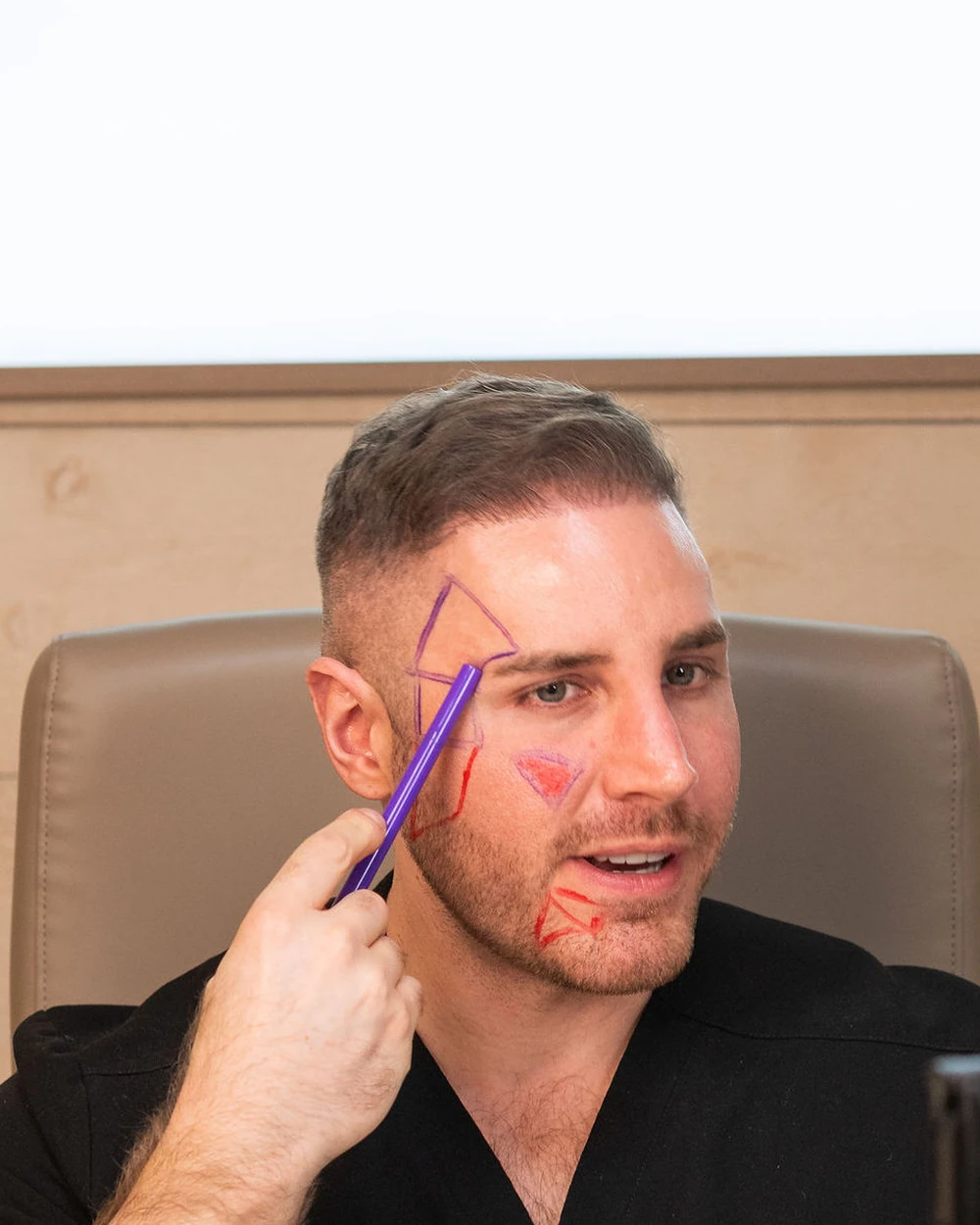
Assessment pathway
A useful consultation for low energy follows a clear sequence rather than jumping to a product.
History
Symptoms, sleep, mood, medicines and health.
Tests
Blood tests chosen for your symptoms, timed properly.
Cause
Medical, hormonal, lifestyle or a mix.
Plan
Treatment, a referral, a lifestyle plan or monitoring.
Your consultation
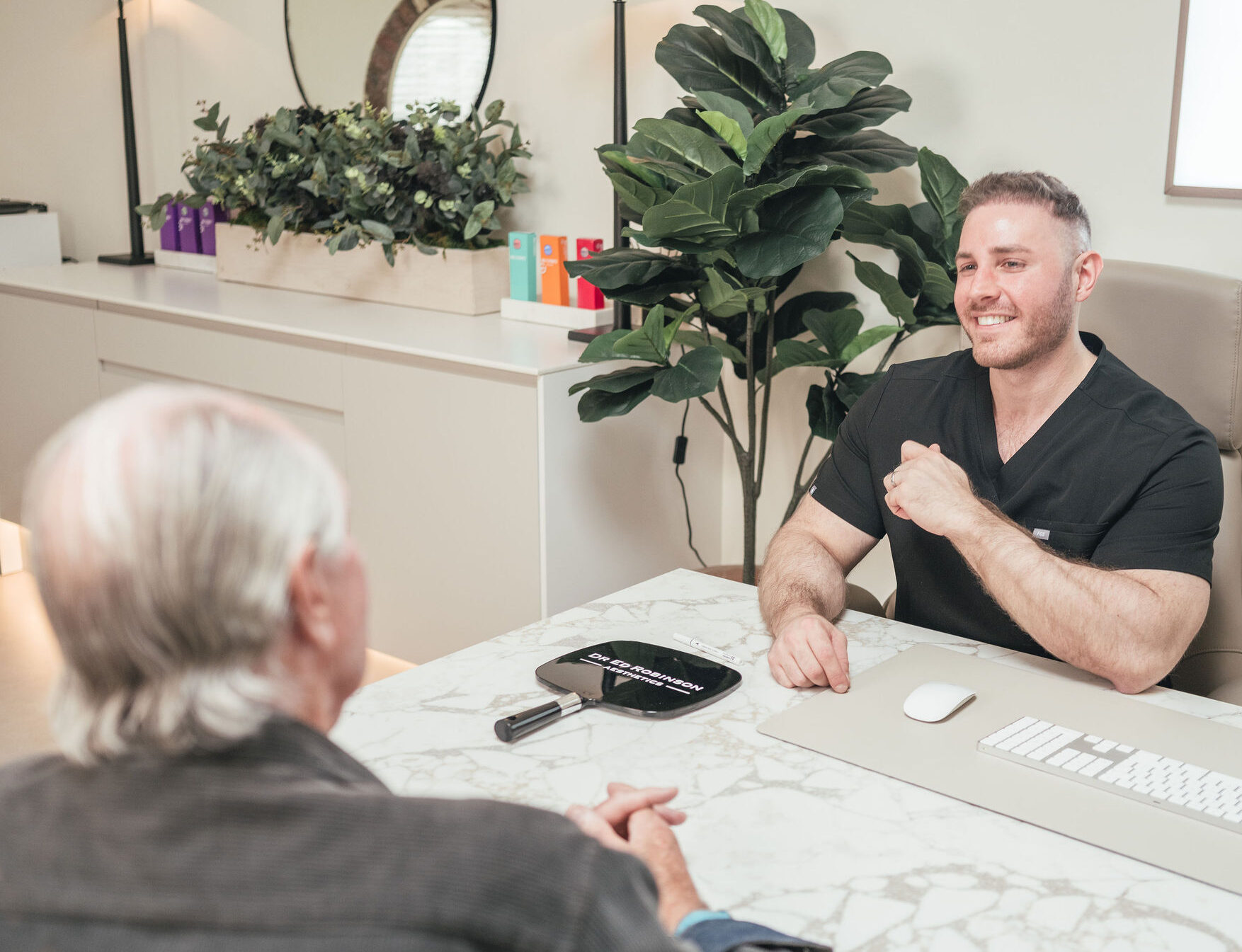
You do not need to choose a treatment before contacting us. Tell us what you have noticed, when it changed, what you have already tried and what a worthwhile result would look like to you. Male hormone care and testosterone assessment are led by Dr Ed Robinson. We consider your health, medication, previous tests and treatment, and what you would like to change.
A useful consultation may lead to treatment, a staged plan, a period of observation or a referral. We would rather explain that an option is unlikely to help than place you into a course simply because the treatment is available.
Options we may discuss
Low energy has more than one cause, so there is no single fix. The right option depends on what we find at consultation.

What treatment may realistically achieve
The goal is to identify modifiable causes and agree how improvement will be measured. Some problems respond once sleep, medication or deficiency is addressed; chronic conditions may require pacing and longer-term care. No responsible service can guarantee “limitless energy”. If an elective wellness treatment is considered, we state what evidence exists, what is uncertain, its risks and when to stop if it is not helping.
Related concerns we may also discuss
Low energy often sits alongside other related findings. These related concerns help frame the wider assessment.

Medical thinking
Why choose Dr Ed Robinson Clinics
Our approach is medical, conservative and consultation-led. We look at how the concern fits the whole face, skin or health picture rather than treating an isolated photograph.
Cause before product
Tiredness has many causes. We look for the explanation before recommending a pathway.
Led by Dr Ed Robinson
Male hormone care and testosterone assessment are led by Dr Ed Robinson, from the first consultation and blood tests to monitoring.
Honest next steps
A useful consultation may lead to treatment, observation or a referral. We would rather explain when an option is unlikely to help.
CQC Good · Hale registered service
The registered Hale service is rated Good overall and Outstanding in leadership by the CQC. That rating relates to the registered service at Hale; it should not be read as separate CQC approval of every cosmetic procedure.
Read the CQC report for the registered Hale service · Meet Dr Ed
5.0 Google rating from 478 reviews
“really took the time to explain the options available to myself, the pros and cons of each option.”
“He was incredibly thorough during the initial assessment and took the time to discuss a range of treatments that would be suitable for me.”
What you can do at home
Keep a short record of sleep, activity, symptoms, alcohol and medication rather than buying multiple tests or supplements at once. Eat regularly, hydrate sensibly and return to exercise gradually if illness or deconditioning is relevant. Do not take iron, high-dose vitamins, hormones or stimulants without an indication; excess supplementation can cause harm or obscure the assessment.
When to seek medical advice
Seek urgent care for fatigue with chest pain, severe breathlessness, fainting, new weakness on one side, confusion or significant bleeding. Persistent fever, unexplained weight loss, marked night sweats or rapidly worsening function needs timely medical assessment.
Related videos, articles and results
Further reading and clinic media that can help you understand low energy in context.

Frequently asked questions
Is feeling tired a sign of low testosterone
It can occur with testosterone deficiency, but it is far more commonly caused by other factors and is not diagnostic by itself. Symptoms and repeat morning testing are required.
What blood tests do I need
There is no responsible one-size-fits-all panel. The history guides tests such as a blood count, thyroid, glucose or other investigations, and your GP may be the best person to coordinate them.
Will an NAD infusion fix fatigue
That cannot be promised. Evidence for treating nonspecific fatigue with NAD infusions is limited, and an infusion must not replace investigation of persistent symptoms.
Could poor sleep be the cause even if I spend eight hours in bed
Yes. Sleep quality can be poor because of insomnia, alcohol, pain or sleep apnoea. Snoring and witnessed breathing pauses are particularly important to report.
Should I take iron or vitamin B12 just in case
No. Supplements should match a demonstrated need or professional advice. Too much iron can be harmful, and taking supplements before testing can complicate interpretation.
How quickly will I feel better
That depends entirely on the cause. We set a review point and objective goals rather than promising an immediate energy boost.
When should I see my GP
If fatigue persists, affects everyday function or comes with other symptoms, a GP review is often appropriate even if you are also considering private assessment.