


Chemical peels are a highly effective and versatile treatment option for rejuvenating your skin. They involve the application of a chemical solution to the skin, which exfoliates the outermost layer, promoting cell turnover and revealing a fresh, youthful complexion. This non-invasive procedure can address various skin concerns, making it a popular choice for those seeking skin renewal.
At a glance

30 minutes

Not required

48 hours

2 weeks
Benefits of Chemical Peels
-

MINIMISED PORE SIZE
Chemical peels can help minimize the appearance of enlarged pores. By removing dead skin cells and unclogging pores, peels leave your skin looking refined and smooth. -
QUICK AND CONVENIENT
Chemical peels are relatively quick procedures, often requiring minimal downtime. This makes them an ideal choice for those with busy schedules who want to achieve noticeable results without a lengthy recovery period. -
SKIN REJUVENATION
Chemical peels help stimulate collagen production, resulting in firmer, smoother, and more youthful-looking skin. By removing the damaged outer layers, peels reveal fresh, vibrant skin underneath. -

IMPROVED TEXTURE
Chemical peels can significantly improve skin texture by reducing the appearance of fine lines, wrinkles, acne scars, and uneven skin tone. This treatment encourages the growth of new skin cells, leaving you with a smoother complexion. -
ENHANCED RADIANCE
Chemical peels are excellent for enhancing your skin's radiance. They eliminate dead skin cells, unclog pores, and reduce the appearance of blemishes, giving your skin a natural glow. -

GREAT FOR BODY
Chemical Peels can also be used on the body too.
What areas can be treated?
Face
Back
What conditions can Chemical Peels treat?
Acne

Chemical peels are an effective solution for managing acne. They can unclog pores, reduce inflammation, and control excess oil production, resulting in a clearer complexion and reduced breakouts.
Pigmentation
One of the most common causes of this altered pigmentation is exposure to ultraviolet (UV) rays from the sun. The UV rays can stimulate melanin production, leading to age spots/sunspots, tanning, or an uneven skin tone
Fine Lines & Wrinkles
Welcome to Dr. Ed Robinson Aesthetics, where we specialise in advanced non-surgical treatments for deep lines and wrinkles. Our Altrincham clinic offers personalised solutions to restore your skin’s youthful appearance.
Dull Skin
Welcome to Dr. Ed Robinson Aesthetics in Altrincham, where we specialise in transforming dull skin into a glowing, radiant complexion. Our clinic offers a variety of advanced treatments tailored to rejuvenate and enhance your skin’s natural beauty.
Our Approach
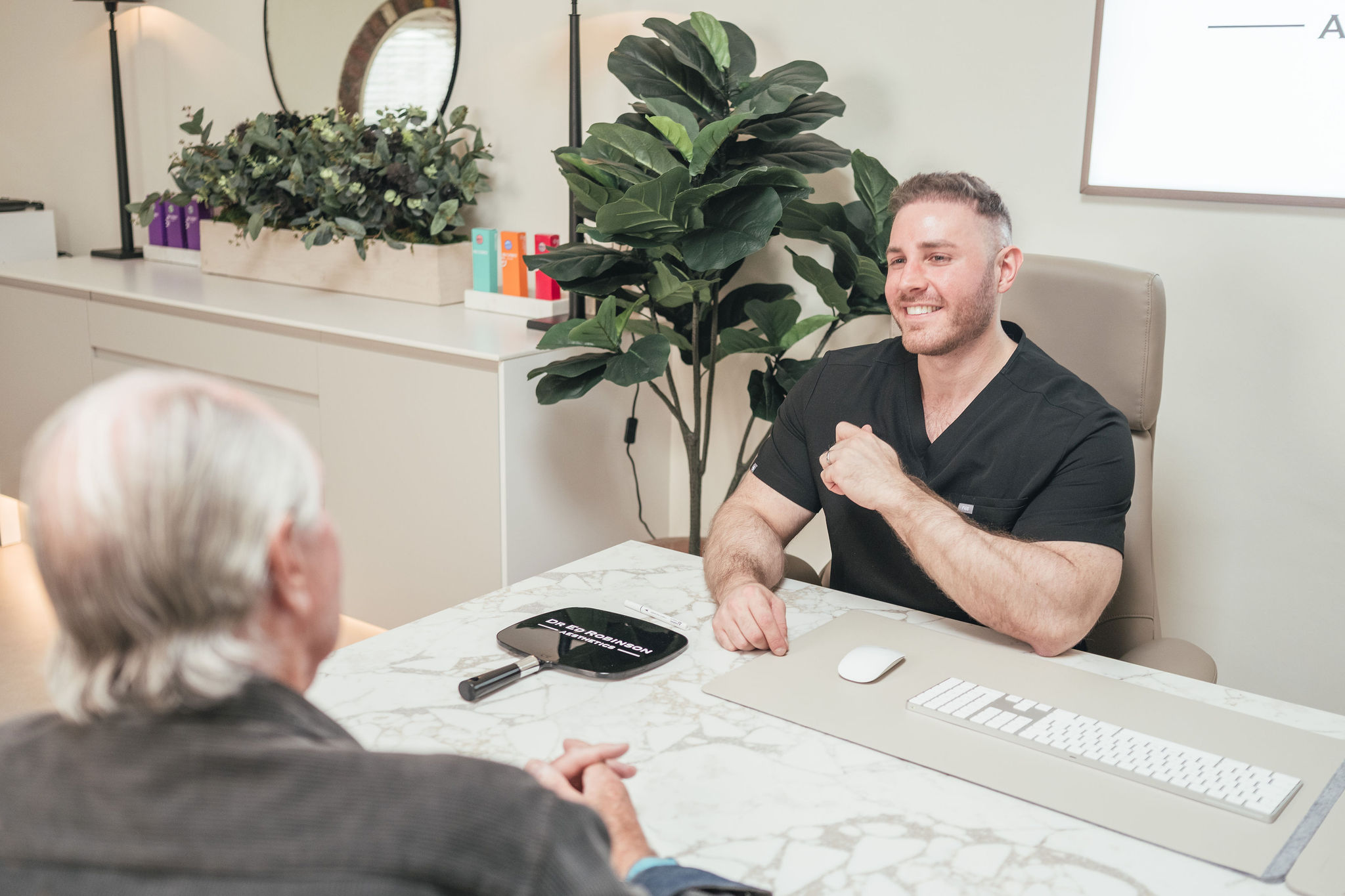
Patient Safety
We prioritise your safety and satisfaction.
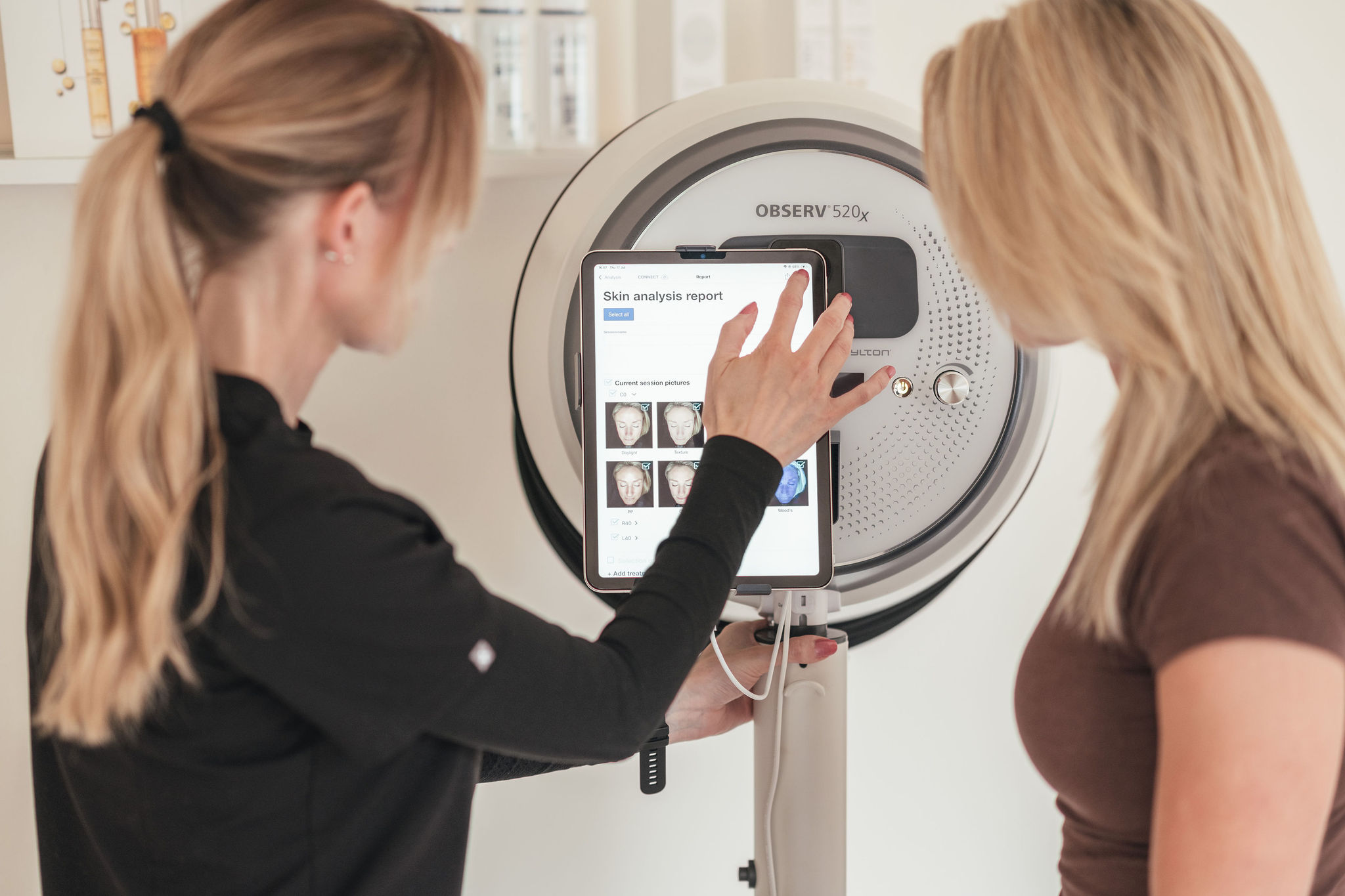
Evidence-Based Practice
Our treatments are based on the latest research and best practices in the field of aesthetics.
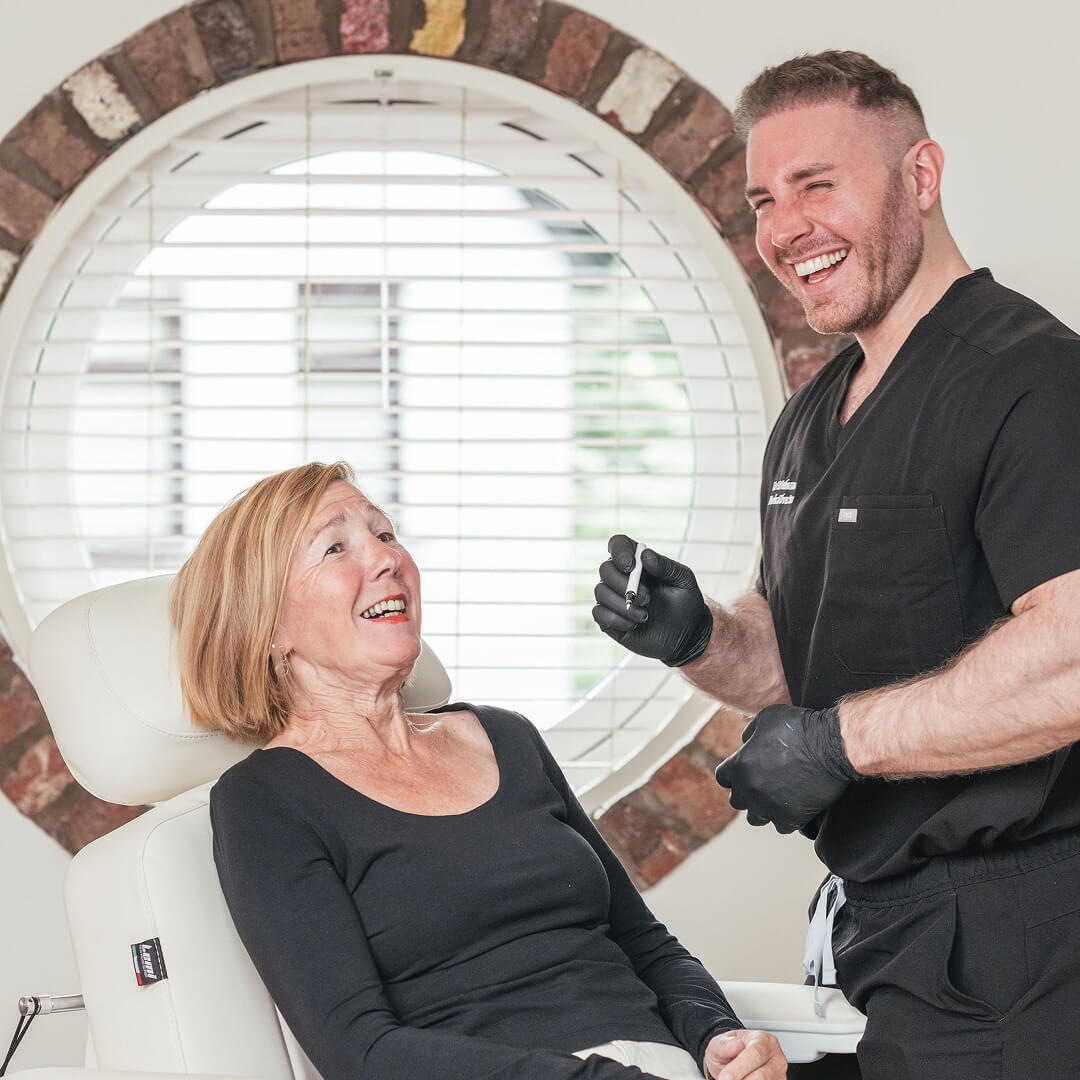
Bespoke Treatments
We always take the time to understand your goals and concerns, providing personalised treatment plans that are tailored to your unique needs.
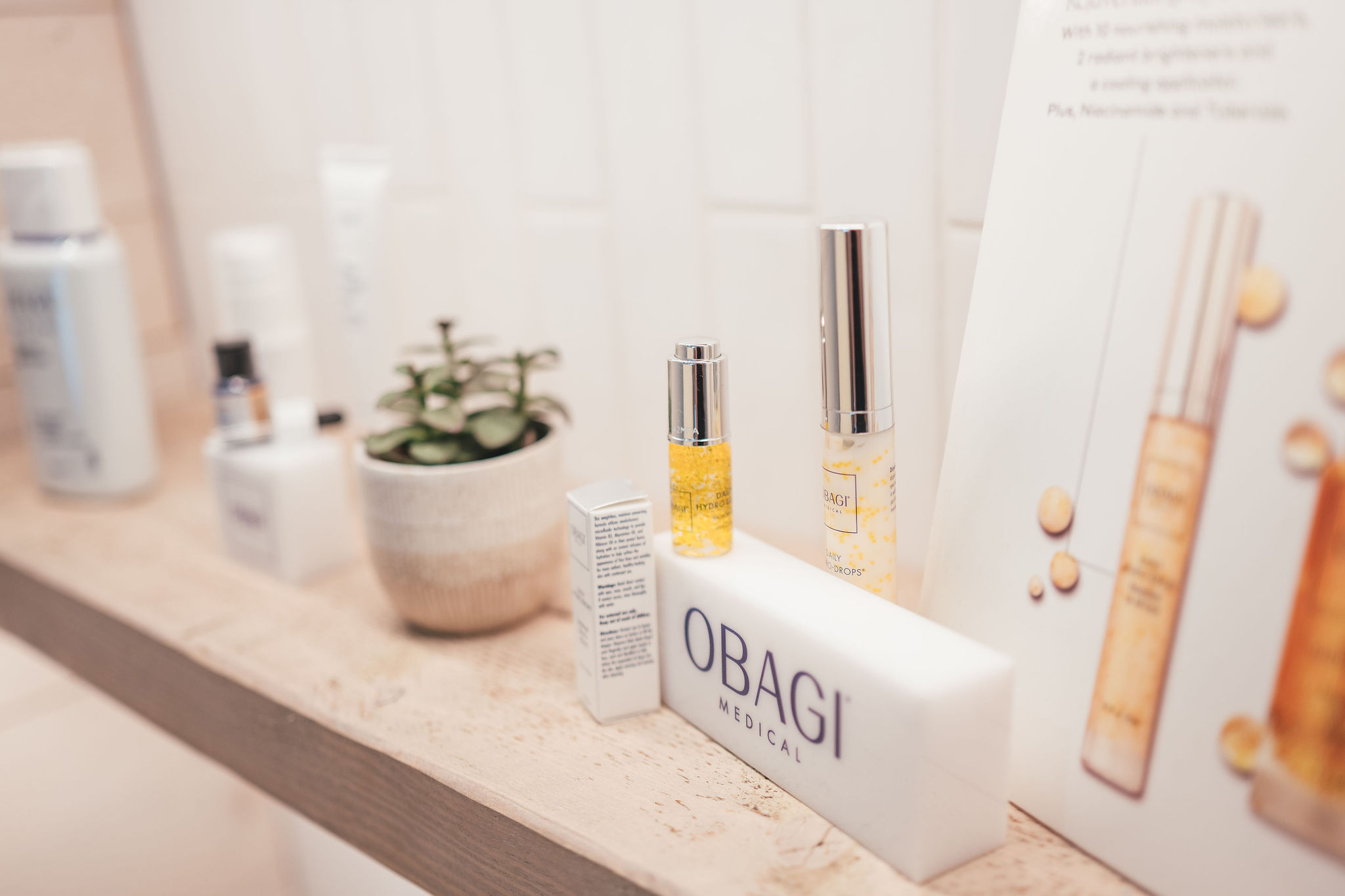
High Quality Products
Our commitment to using high-quality products sourced from reputable pharmacies ensures exceptional results and your peace of mind.
Chemical Peels Aftercare

What to Avoid
Picking or peeling your skin – this can cause bleeding, discolouration, or scarring.
Exfoliants – (AHAs, BHAs, retinoids, retinols, scrubs) for 7 days post-treatment.
Unprotected sun exposure – always wear SPF 30+ for at least 6 weeks.

Comfort and Recovery Tips
Gently cleanse your face – use a soap-free cleanser; pat dry with a towel.
Keep your skin moisturised – to support healing.
Expect peeling – 2-4 days after treatment (not everyone peels).
Results – appear after 1 week, lasting 4-6 weeks, depending on lifestyle factors.
FAQs
For more general enquiries, please take a look at some of our frequently asked questions.
What are Chemical Peels used for?
Superficial chemical peels are safe and effective for all skin types and tones. If you have uneven skin tone, hyperpigmentation, fine lines, sun damaged and blemished skin or acne scarring a superficial chemical peel may help.
They are most commonly used on the face, but they are also a good option for those prone to acne on their chest and back.
How should I prepare for a Chemical Peel?
Please come to the clinic without make-up as this will have to be removed.
Avoid the use of skincare active ingredients on the day and stop any retinol-containing products 24 hours before-hand.
Ensure you have not had any aesthetic treatments such as micro needling less than 2 weeks before-hand.
1-2 weeks prior to your treatment, avoid adding anything new to your skincare routine. Specifically, avoid exfoliating facials, facial electrolysis and sunbathing/sunbed use.
What does a Chemical Peel involve?
A consultation is required before treatment can be started.
First the skin is cleaned to remove any excess oils from the skin using a special preparation solution.
The treatment is then applied in 2 layers, monitoring for any skin reactions. At this point the skin should feel tingly.
After the treatment has had its time to work (approximately 10 minutes), the face is cleaned to remove any excess product.
Aftercare will be applied to reduce inflammation after treatment.
How long do the results last for?
Superficial Chemical Peel Treatments usually last about 4-6 weeks.
This may vary from person to person. Alcohol consumption, smoking, recreational drug use and sun exposure will shorten the duration.
When will I see results?
The results from a Superficial Chemical Peel are noticeable after 1 week.
What happens after a Chemical Peel?
Following your chemical peel treatment, you should cleanse your face very gently with a soap-free cleanser, patting the skin dry with a towel. Ensure you moisturise your skin well.
2-4 days after your treatment you may experience peeling – though not everyone does. DO NOT pick or peel your skin. If you do, you risk bleeding, discolouration and even scarring.
Wear a high SPF sunscreen for at least 6 weeks post-treatment. There are several which I can prescribe. This will reduce the risk of brown patches (hyperpigmentation) forming on your skin.
How much does a Chemical Peel cost?
Chemical Peels start at £120 but discounts are available for multiple treatments. You will be advised on a price/treatment course based on your bespoke consultation.
Do Chemcial Peels hurt?
Chemical Peels at most should produce an intense tingling sensation and are not painful.
As an anaesthetic doctor I am well placed to reduce anxiety and pain during procedures using a number of techniques.
Numbing cream is not required.
Are Chemcial Peels suitable for men?
Absolutely! Chemical Peels in men are increasing in popularity.
Are Chemcial Peels safe?
In the hands of an experienced, medically trained clinician Chemical Peels are safe, well-studied treatments and side effects are rare.
Chemical Peels are safe for all skin types and skin tones.
Chemical Peels are not suitable for patients who are pregnant or breastfeeding.
The NHS website is a fantastic resource regarding the safety of cosmetic procedures including Chemical Peels.
Are there any side effects?
Most common side effects are mild and short-lived. As a trained medical professional, I am well positioned to minimise these risks.
Side-effects include:
You may experience slight white discolouration in some areas or blotchy skin, though this should subside within a few hours.
You may experience peeling 2-4 days after your treatment.
Hyperpigmentation (brown spots on the skin) may occur with all peels, especially if your skin is darker. I can prescribe a high factor SPF for daily use to reduce this risk.
It is important to avoid direct sun exposure for 6 weeks post-peel.
Cold sores – if you are susceptible to cold sores, you may find you have an outbreak after a chemical peel. To help prevent this, taking a course of aciclovir beforehand may be advised.
Redness – sometimes skin redness persists for more than 2-3 months, but this usually disappears in time.