


Acne scars and marks after acne
Doctor-led assessment in Hale, Cheshire
Acne scars and marks after acne · Hale, Cheshire

The best starting point for acne scarring is identifying the scar type. A tethered rolling scar, a narrow deep pit and a flat brown mark are different problems. We map those differences before discussing procedures, recovery and the level of improvement that is realistic.
Hale clinic · Consultation first
You do not need to choose a treatment before contacting us. We start by understanding the cause, then explain whether a clinic pathway, observation or a referral is the more sensible next step.
At a glance
How we think about acne scars and marks after acne
 Assessment focus
We examine the skin in different lighting and assess depth, tethering, colour and scar distribution.
 Possible pathways
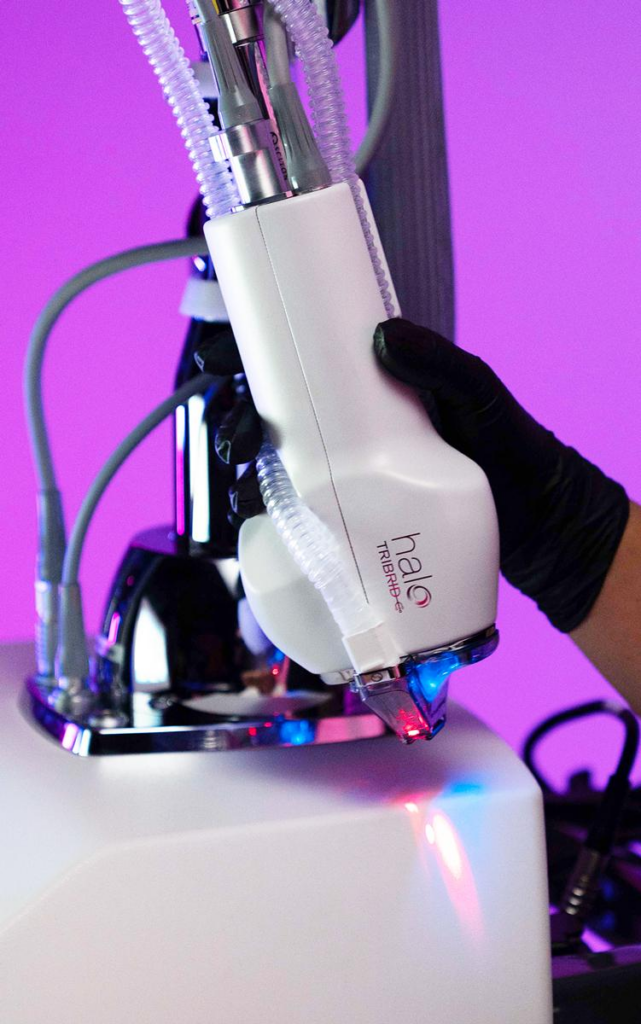
SkinPen microneedling, HALO TRIBRID or Erbium resurfacing, Scar revision assessment
 Our approach
Understand the cause first; recommend treatment only when the likely benefit justifies the risk, recovery and cost.
 Medical care first
New painful nodules or ongoing scar formation needs timely acne treatment.
What this concern can involve
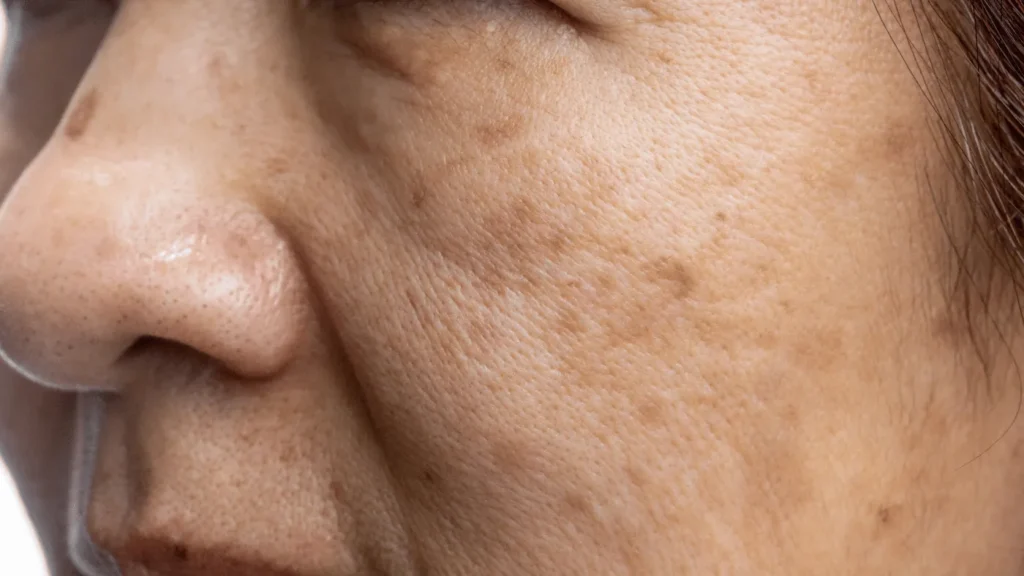
Inflammation from acne can damage deeper skin structures. Healing may leave depressions such as rolling, boxcar or ice-pick scars, or raised scars in some people. Flat red or brown marks after spots are colour changes rather than the same structural scar. Several types may occur together. Continuing acne can create new damage while an old scar is being treated.
Rolling scars
Tethered scars cast soft shadows across the skin.
Pitted scars
Narrow, deep scars need a more targeted approach.

Marks
Flat red or brown marks are colour, not texture.
Active acne
Ongoing breakouts need control before scar work.
How we assess it
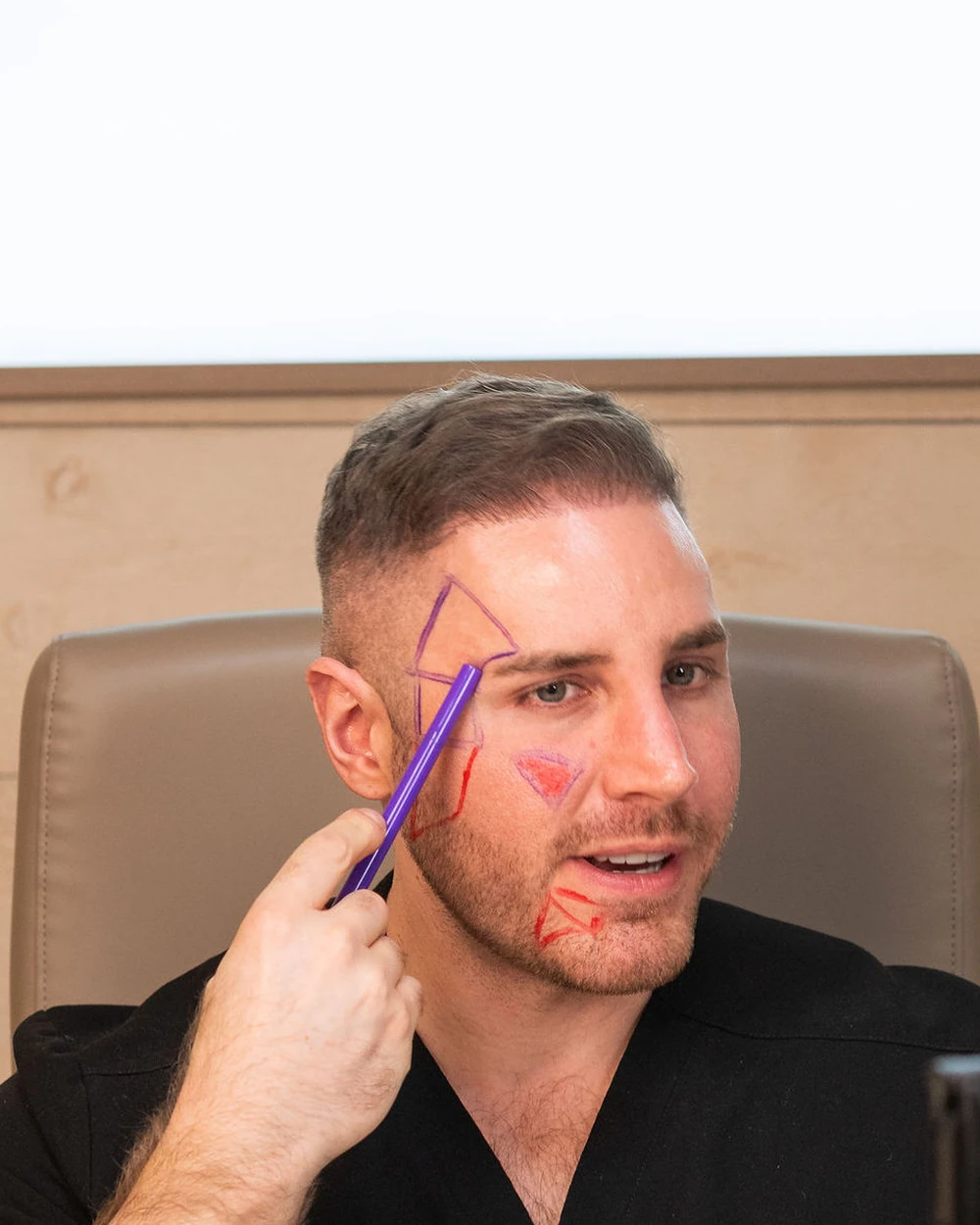
We examine the skin in different lighting and assess depth, tethering, colour and scar distribution. We review active acne, previous procedures, isotretinoin history, pigment-change risk and your ability to accommodate recovery. We agree whether the priority is controlling breakouts, addressing colour or improving texture. A single photograph can understate or exaggerate scar depth.
Assessment pathway
A useful consultation for acne scarring follows a clear sequence rather than jumping to a product.
History
Acne control, previous scar treatment, healing and skin tone.
Examination
Scar types mapped in different lighting.
Priority
Texture, depth, tethering or colour, and which matters most.
Plan
Microneedling, resurfacing, targeted scar work, or no treatment.
Your consultation
You do not need to choose a treatment before contacting us. Tell us what you have noticed, when it changed, what you have already tried and what a worthwhile result would look like to you. We consider your health, medication, previous procedures, skin or tissue characteristics and practical tolerance for recovery.
A useful consultation may lead to treatment, a staged plan, a period of observation or a referral. We would rather explain that an option is unlikely to help than place you into a course simply because the treatment is available.

Options we may discuss
Acne scarring has more than one cause, so there is no single fix. The right option depends on what we find at consultation.



What treatment may realistically achieve
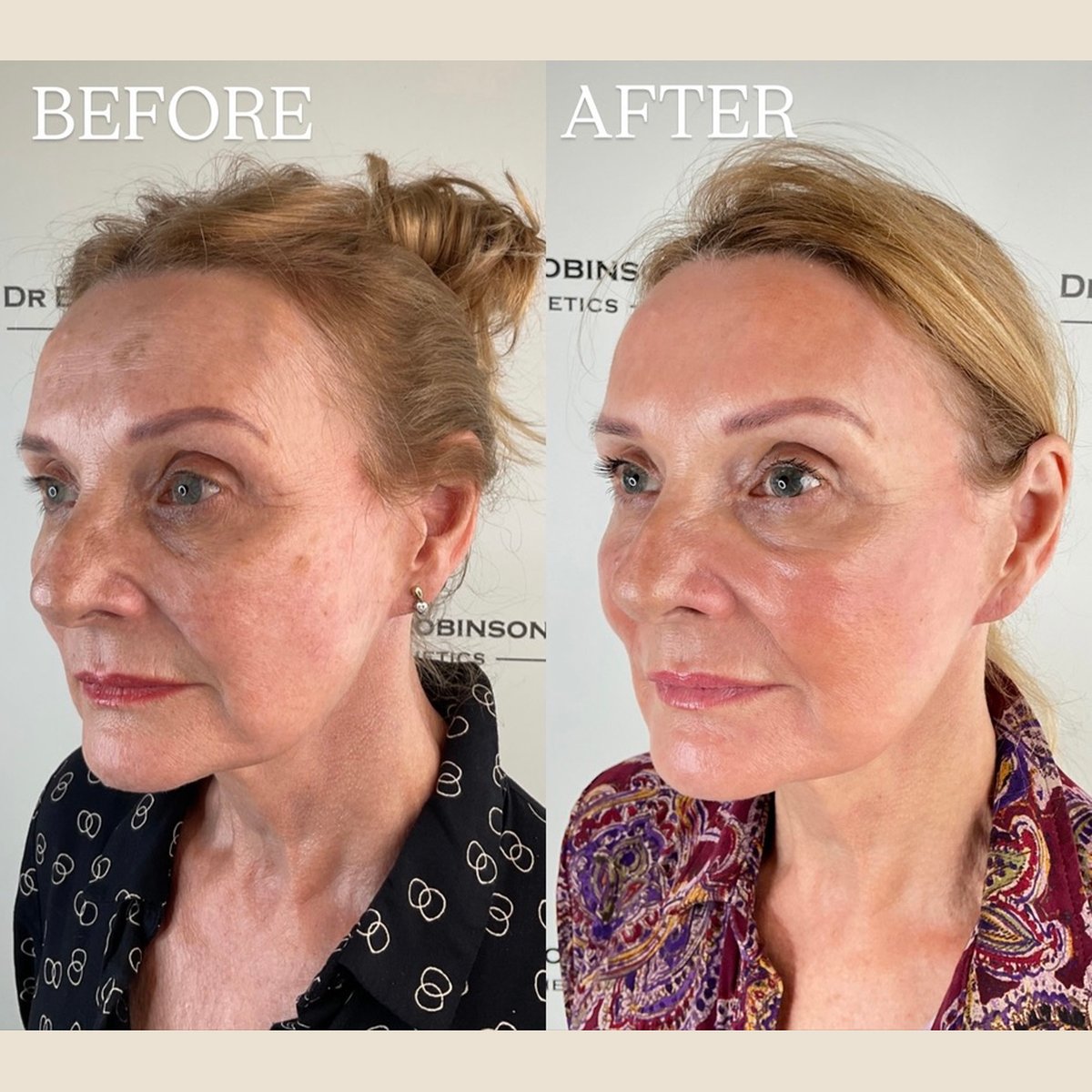
Improvement is usually partial and may require different methods for different scars. We avoid promising a percentage change from photographs or a universally effective course. Redness, pigment changes, infection and further scarring are possible after procedures. Changes in collagen take time, so results should be assessed after healing rather than during temporary swelling.
Related concerns we may also discuss
Acne scarring often sits alongside other related findings. These related concerns help frame the wider assessment.


Comfort, safety and clinical judgement
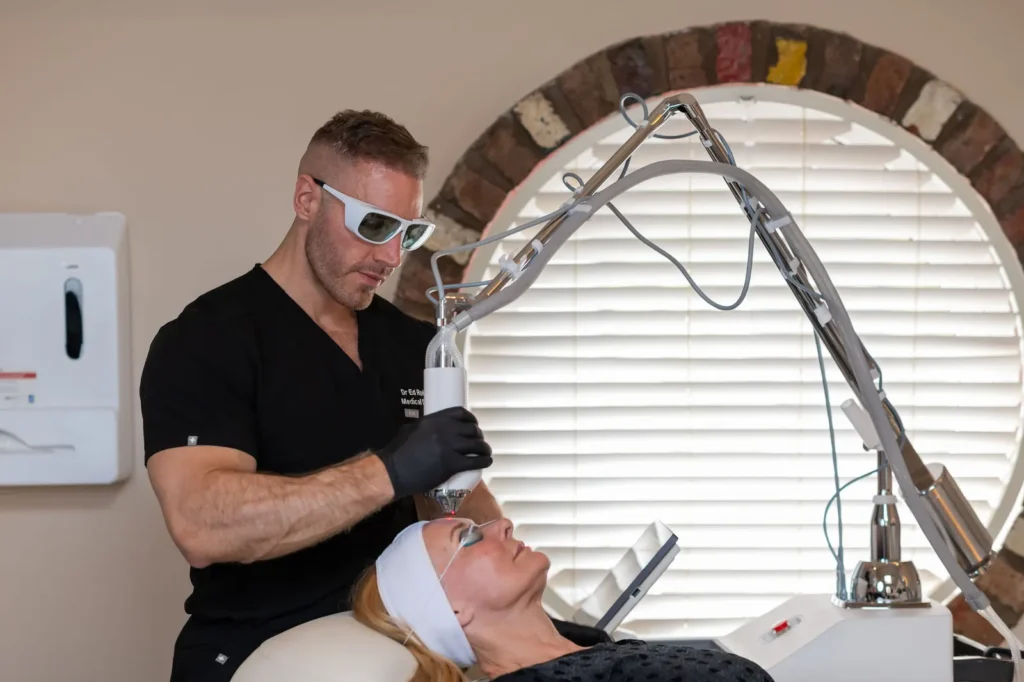
Comfort planning depends on the procedure. It may include topical or local anaesthetic, cooling, paced treatment or a nerve block where clinically appropriate. A nerve block is not needed for every concern, and comfort measures do not remove treatment risk.
Device and skin treatments require careful attention to diagnosis, skin type, settings, eye protection, aftercare and escalation.
Nerve blocks and comfort
Laser, light and microneedling treatments can be uncomfortable. Topical anaesthetic, cooling and a paced approach are discussed beforehand, and a nerve block may be offered for some treatments where clinically appropriate.
Medical thinking
Why choose Dr Ed Robinson Clinics
Our approach is medical, conservative and consultation-led. We look at how the concern fits the whole face, skin or health picture rather than treating an isolated photograph.
Cause before product
Scar type, depth and colour all shape the plan. We map them before recommending a pathway.
Comfort planned with judgement
Comfort planning may include topical or local anaesthetic, cooling, paced treatment or a nerve block where clinically appropriate.
Honest next steps
A useful consultation may lead to treatment, observation or a referral. We would rather explain when an option is unlikely to help.
CQC Good · Hale registered service
The registered Hale service is rated Good overall and Outstanding in leadership by the CQC. That rating relates to the registered service at Hale; it should not be read as separate CQC approval of every cosmetic procedure.
Read the CQC report for the registered Hale service · Meet Dr Ed
5.0 Google rating from 478 reviews
“Started my microneedling journey with Kate, she’s great, really professional and attentive but also puts you at ease!”
“I was given really clear advice, my questions were met with empathy and understanding.”
What you can do at home
Preventing new acne and avoiding picking are important. Sun protection can help limit persistent discolouration. Home needling or strong acid spot treatments can cause additional scars or pigment injury and should not substitute for a clinical plan.
When to seek medical advice
New painful nodules or ongoing scar formation needs timely acne treatment. A raised scar that is growing or a lesion that is not clearly acne-related should be examined.
Related videos, articles and results
Further reading and clinic media that can help you understand acne scarring in context.
Frequently asked questions
Can acne scars be removed completely
Complete removal cannot be promised. The aim is usually to make texture less noticeable, with some scars responding better than others.
Is MOXI enough for deep acne scars
A treatment directed mainly at superficial skin quality should not be assumed to correct deep structural scars. Scar depth and tethering determine the appropriate discussion.
Do I need to stop all acne first
We generally prioritise control of active disease before intensive scar revision. The sequence depends on severity and the specific procedure being considered.
Why might I need more than one technique
A tethered scar, a deep pit and a colour mark have different structures. A combined plan should explain what each step contributes, rather than simply adding treatments.
Can darker skin be treated
Often options exist, but pigment-change risk needs careful assessment, appropriate preparation and technique. The same settings or recovery estimate do not suit every skin tone.