


Benign skin lesion assessment and removal
In Hale, Cheshire
Benign lesion assessment · Hale, Cheshire
Benign skin lesion assessment and removal in Hale, Cheshire
A raised skin lesion may catch on clothing, become irritated or simply bother you. Before discussing removal, we need to establish what it is. A cosmetic treatment should never take priority over investigating a lesion that is changing, bleeding or uncertain.
Hale clinic · Consultation first
Benign lesion removal is available at our Hale clinic only. A consultation comes first so that we can establish what the lesion is before discussing removal, and refer you on if a lesion is changing or uncertain.
Benign lesion removal at a glance
What to expect
 Appointment or treatment time
Assessment first; procedure time depends on the lesion and method
 Comfort and anaesthesia
Local anaesthetic may be used according to the technique
 Recovery
A wound, scab or dressing may be visible while the area heals
 When to assess results
Judge the cosmetic result after healing and scar maturation
Care at our Hale clinicOur registered Hale service is rated Good overall and Outstanding in leadership by the CQC. Assessment-led planning before any treatment.
What is benign lesion removal?
Benign skin lesions include several different growths, such as skin tags and some other non-cancerous raised lesions. Not every lump or pigmented mark is suitable for cosmetic removal. Examination, and sometimes dermoscopy or specialist assessment, helps determine whether a lesion can be treated in the clinic.
How does benign lesion removal work?
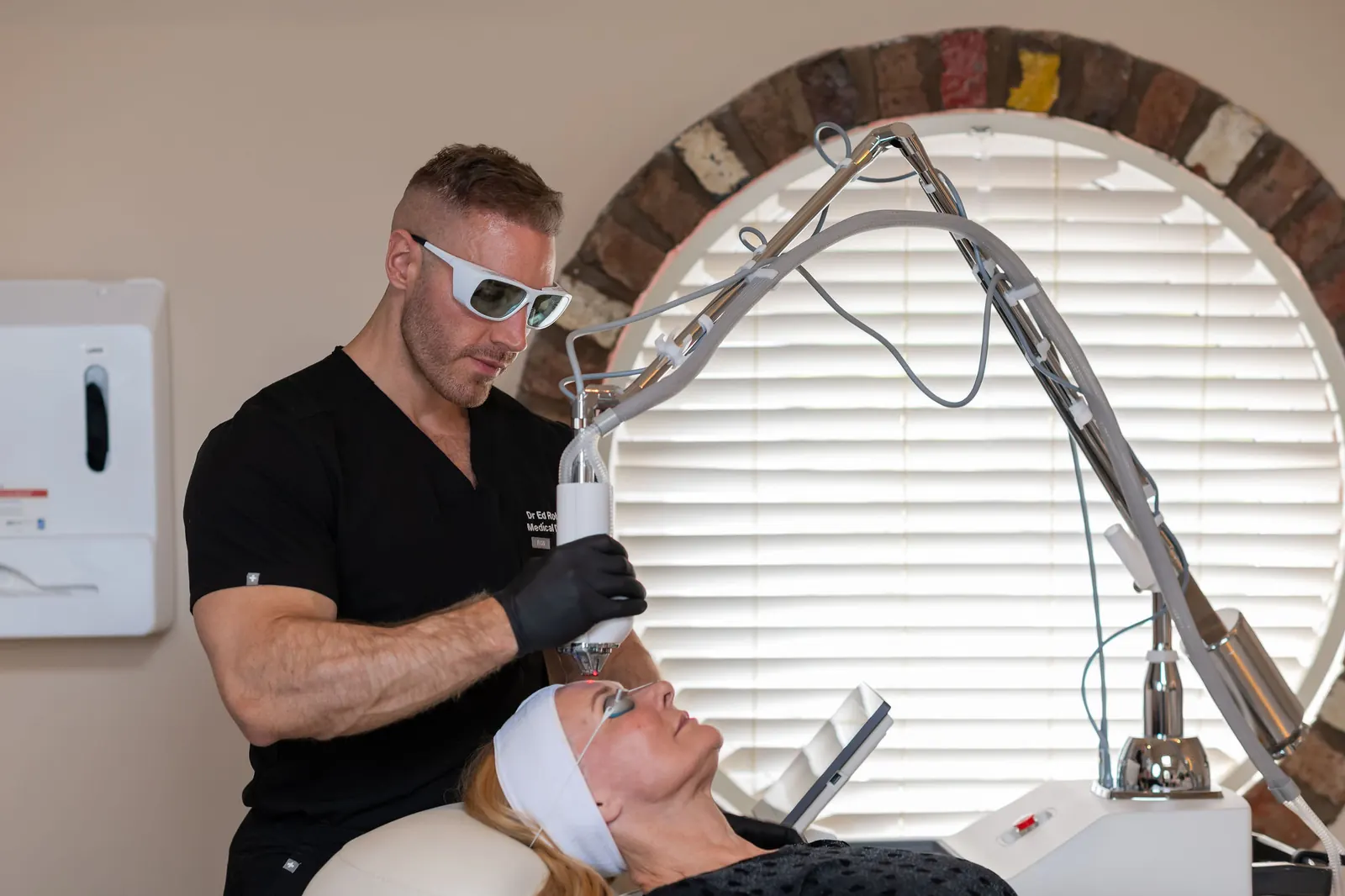
The appropriate method depends on the diagnosis, size, depth, location and whether tissue needs to be sent for histology. Options may include an ablative method, freezing or referral for surgical removal elsewhere. Destroying a lesion with laser or freezing usually means there is no intact sample for laboratory examination.

What concerns can benign lesion removal help with?
A lesion must be assessed before treatment. Any removal method can leave a mark or scar, and scar-free removal should not be promised. If the diagnosis is uncertain or concerning, further investigation or referral comes first.
We can assess a lesion that catches on jewellery or clothing, is repeatedly irritated or is cosmetically bothersome. A new or changing mole, unexplained bleeding, ulceration or a lesion that does not heal needs medical assessment rather than booking directly for cosmetic destruction.
Read more about skin lesions and benign growthsWe can assess a lesion that catches on jewellery or clothing, is repeatedly irritated or is cosmetically bothersome. A new or changing mole, unexplained bleeding, ulceration or a lesion that does not heal needs medical assessment rather than booking directly for cosmetic destruction.
We can assess a lesion that catches on jewellery or clothing, is repeatedly irritated or is cosmetically bothersome. A new or changing mole, unexplained bleeding, ulceration or a lesion that does not heal needs medical assessment rather than booking directly for cosmetic destruction.

Which areas can be treated?
Face and body lesions require individual planning. Eyelids, genital skin, areas near important structures and sites with poor healing may need a different specialist. The method suitable for a small skin tag is not automatically suitable for a pigmented mole.
Is benign lesion removal suitable for me?
Suitability depends first on the diagnosis, then on the lesion, its location and your health.
We examine the lesion and establish what it is. A cosmetic treatment should never take priority over investigating a lesion that is changing, bleeding or uncertain.
Please tell us about:
- How long the lesion has been present.
- Any change in its size, colour, shape or symptoms.
- Previous skin cancer or immune suppression.
- Blood-thinning medicines, diabetes and abnormal scarring.
- Current medicines and supplements. Do not stop prescribed medication without advice from the clinician responsible for it.
These details help us decide whether removal is appropriate, which method suits the lesion, or whether referral is more important.
That depends on the diagnosis and method. If histology is needed, the technique must preserve a suitable sample. Laser or freezing may destroy tissue and therefore be inappropriate.
How should I prepare for treatment?
Preparation is mainly about the history of the lesion.
The history of the lesion
Note how long the lesion has been present and whether it has changed. Photographs from before can be useful.
Your records and medicines
Bring your medication list and details of previous investigations or treatment. Do not stop prescribed medication without medical advice.

What happens at the appointment?
The first appointment is a conversation and clinical assessment with Dr Ed. We examine the lesion and explain what can reasonably be concluded and what needs further investigation.
If removal is appropriate, we explain the method, whether local anaesthetic is used, the likely healed appearance and the cost. Procedure time depends on the lesion and method.
Before you leave, you receive wound-care advice and any review arrangements.
How do you make benign lesion removal more comfortable?
If removal is appropriate, we explain the anaesthetic and the sensations involved. Sensitive sites may need a different setting or specialist. Your comfort plan should not obscure the need for a correct diagnosis and a technique that preserves tissue when histology is important.
What does recovery look like?
Follow the specific cleansing, dressing and activity advice. Do not pick a crust or repeatedly apply irritating products. Protect the healing area from sun exposure once appropriate. Report spreading redness, discharge, increasing pain or persistent bleeding, and attend any agreed review.
After the visit
No physical recovery is usually needed from assessment alone.
Starting a routine
Introduce any new products according to the written sequence.
While settling
Contact the clinic if irritation worsens rather than settling.
Review
We review progress over an interval that matches the concern.
When should I contact the clinic?
Contact the clinic promptly if pain, redness or swelling is worsening rather than settling, or if you develop spreading redness, discharge, fever or unexpected skin changes. Call 999 for a severe allergic reaction, breathing difficulty or another medical emergency. Do not wait for a routine message reply if urgent care is needed.
Existing patients with a concern after treatment: WhatsApp our complications line on 07868 809125. New enquiries: call or WhatsApp 0161 399 0631.
What are the risks?
Risks include bleeding, infection, delayed healing, scarring, pigment change and recurrence. Destructive treatment can make later diagnosis more difficult if an uncertain lesion is treated prematurely. We discuss whether histology is needed before choosing a removal method.
When will I see results?
The lesion may be removed in one procedure or need a staged approach, depending on the diagnosis and method.
The skin can remain pink or discoloured during healing, and the cosmetic result is judged after healing and scar maturation. Scar appearance continues to change over months.
Some lesions recur. A returning or changing lesion should be reassessed rather than assumed to be the same harmless growth.
How does benign lesion removal compare with other treatments?
The method follows the diagnosis.
| Option | What we would discuss |
|---|---|
| Benign lesion removal | Whether the lesion is suitable for removal and which technique fits it. |
| Cryotherapy | Whether freezing suits some diagnosed lesions. |
| Erbium laser resurfacing | A different service for skin texture. It must not be used to bypass diagnosis of a suspicious mark. |
| Skin analysis | Whether a broader skin assessment is the better first step. |
A GP or dermatologist may be the right next step when a lesion is uncertain or needs specialist care.
Explore Cryotherapy · Explore Erbium laser resurfacing · Explore Skin analysis
Complementary Treatments
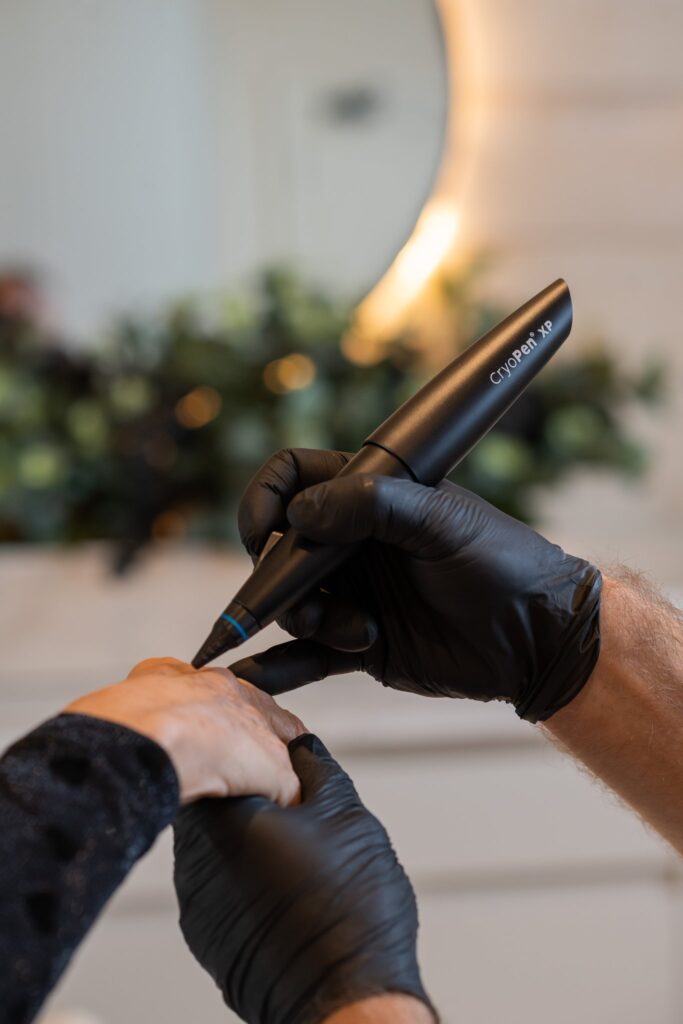
Cryotherapy may be suitable for some diagnosed lesions. Erbium resurfacing is a different service for skin texture and must not be used to bypass diagnosis of a suspicious mark.
Erbium laser resurfacing
Different service for skin texture, not a bypass of diagnosis.
Explore Erbium laser resurfacing
Skincare before and after benign lesion removal
During recovery, use the products and timing recommended for the procedure. Do not put active products onto irritated, raw or incompletely healed skin simply because they are part of your usual routine. Once suitable, daily broad-spectrum sun protection and a manageable skincare routine help care for the skin over time. We can review what you already own and suggest suitable options from our skincare shop. Buying products from us is not a condition of treatment.

Medical thinking
Why choose Dr Ed Robinson Clinics?
Our approach starts with understanding your concern and what you would like to change.
A clear explanation of the recommendation
You should understand why a treatment is being suggested, what it is expected to improve and what other approaches are available. We want you to feel able to ask questions and take time over the decision.
Treatment planned with care
Comfort and what to expect are discussed before any treatment, so you know how the appointment will feel and what happens afterwards.
A plan for the whole process
Preparation, the appointment and recovery belong in the same conversation. Knowing how to care for yourself afterwards is as important as understanding what will happen in the treatment room.
Our Hale clinic is CQC rated Good
The Hale service is rated Good overall and Outstanding in leadership. The report was published on 14 August 2026. The CQC listing currently appears under the former clinic name, Dr Ed Robinson Aesthetics.
Benign lesion removal prices
Your proposed treatment, number of sessions, relevant consultation charges and total cost are explained before you decide. Confirm consultation charges and whether any fee is redeemable before booking. See our current prices or ask the team for a quotation for your plan.
| Appointment or treatment | Guide price |
|---|---|
| Doctor consultation | £100 |
| Lesion removal | Quoted at consultation |
Guide prices shown for planning; your individual quotation is confirmed at consultation. See our current prices page for published figures.
What our patients say
Rated 5.0 on Google from 478 reviews
Frequently asked questions
Can you remove a mole without checking it
No. A lesion must be assessed before treatment. If the diagnosis is uncertain or concerning, further investigation or referral is more important than cosmetic removal.
Will the lesion be sent to a laboratory
That depends on the diagnosis and method. If histology is needed, the technique must preserve a suitable sample. Laser or freezing may destroy tissue and therefore be inappropriate.
Will I have a scar
Any removal method can leave a mark or scar. We explain the likely trade-off between the original lesion and the possible healed appearance. Scar-free removal should not be promised.
Can it grow back
Some lesions recur, especially if deeper tissue remains or the condition itself tends to recur. A returning or changing lesion should be reassessed rather than assumed to be the same harmless growth.
Will I be offered treatment at the first appointment
Not necessarily. We may need examination findings, records or tests before recommending anything. A careful consultation is useful even when the outcome is no procedure, a different diagnosis or referral.
Should I stop my current medication
No. Do not stop or alter prescribed medicines to prepare for this appointment without advice from the clinician responsible for them. Bring an accurate list, including non-prescription products and supplements.
Will you work with my GP
We discuss relevant information sharing and how this service fits with your existing care. Some investigations or ongoing management are better coordinated through your GP or a specialist. We explain any referral recommendation.
Before you decide
Learn more before deciding
A little more understanding, when you want it.
On the journal
Dr Ed’s treatment explanations
Articles and notes from the clinic that help explain how treatments are planned and what to expect.
Watch and learn
Video explanations from Dr Ed
Video explanations from Dr Ed on treatments and what to expect.
Your visit
Planning your visit to Hale
Directions, parking and where to stay if you are travelling to our Hale clinic.
In the press
More from Dr Ed
Related press articles from the clinic.
Business Cheshire
Dr Ed Robinson combines medical techniques and new technology to advance aesthetic treatments
How Dr Ed combines established medical techniques with new technology: regional nerve blocks, ultrasound, and AI to support clinic care.
Gathered
Are you secretly damaging your skin? Experts want you to make this change when applying SPF
Common SPF mistakes, including storing sunscreen in hot cars and applying too little, with the two-finger rule for face and neck.
World Lifestyler
Sun Safety Over Social Media Myths: Why Anti-SPF Advice Puts Young People at Risk
Bylined article by Dr Ed on anti-SPF social media trends and why they put young people at risk.