


Pigmentation melasma and sun spots
Doctor-led assessment in Hale, Cheshire
Pigmentation melasma and sun spots · Hale, Cheshire
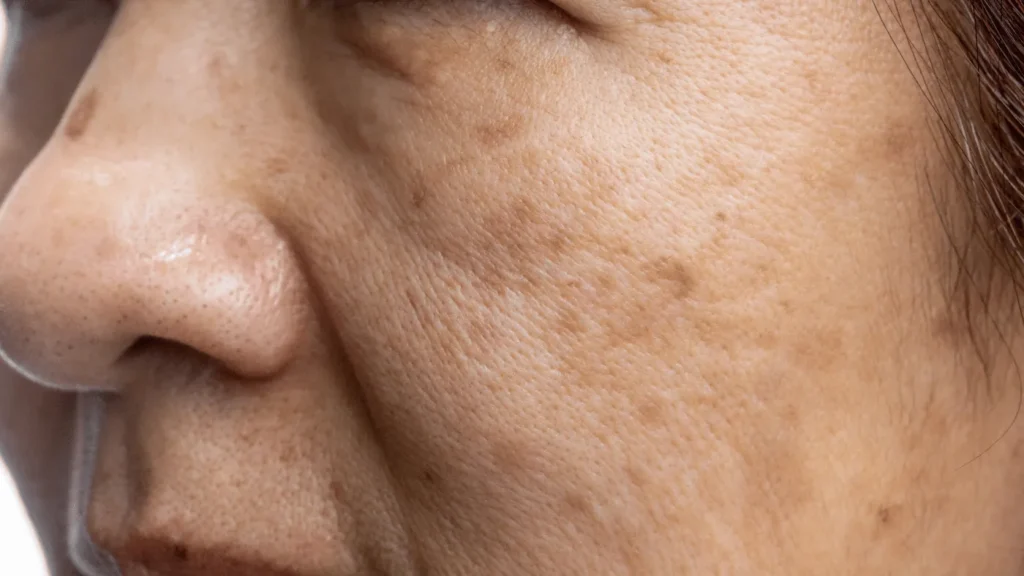
Brown marks can look similar but behave very differently. A discrete sun spot, melasma and a mark left by inflammation need different plans. We identify the pigment pattern before recommending skincare, a peel or a light-based procedure.
Hale clinic · Consultation first
You do not need to choose a treatment before contacting us. We start by understanding the cause, then explain whether a clinic pathway, observation or a referral is the more sensible next step.
At a glance
How we think about pigmentation melasma and sun spots
 Assessment focus
We ask when the marks appeared, whether they change with sun exposure or hormones and what treatment you have tried.
 Possible pathways
BBL HEROic and MOXI, HALO TRIBRID, Erbium laser resurfacing, SkinPen microneedling, Obagi skincare, Chemical peels
 Our approach
Understand the cause first; recommend treatment only when the likely benefit justifies the risk, recovery and cost.
 Medical care first
A mark that changes in size, shape or colour, bleeds, becomes persistently sore or looks different from your other marks needs medical assessment before cosmetic treatment.
What this concern can involve
Melanin is the pigment that contributes to skin colour. Local changes can follow ultraviolet exposure, hormonal influences, inflammation or injury. Sun spots are often discrete marks on exposed skin. Melasma commonly produces patches on the face and can recur. Post-inflammatory hyperpigmentation follows a trigger such as acne or irritation. Not every brown mark is benign pigmentation suitable for cosmetic treatment.
Sun spots
Discrete brown marks follow years of sun exposure.
Melasma
Hormones, heat and light drive patchy pigment.

Post-inflammatory marks
Marks can follow acne, eczema or irritation.
Skin tone
Darker skin needs a more cautious plan.
Sun damage is more than brown spots
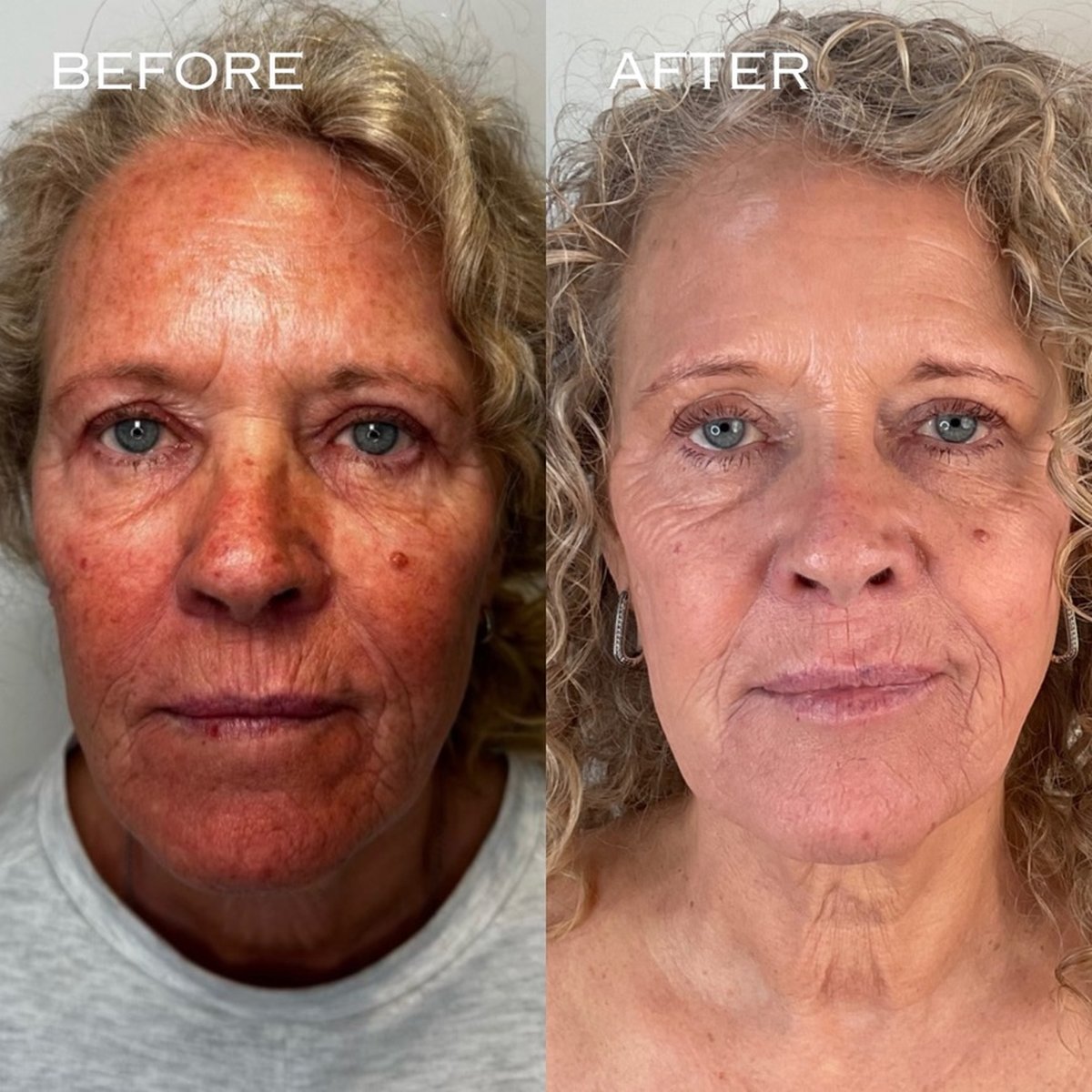
Photodamage is the overall effect of years of sun exposure. As well as sun spots, it can show as mottled colour, background redness, roughness, fine lines and thinner skin, often on the face, neck, chest and backs of the hands. Because these changes sit at different depths, one treatment rarely covers them all. A combined plan, for example BBL HEROic for colour with MOXI for texture, plus daily SPF, may be more useful than treating individual spots alone.
How we assess it
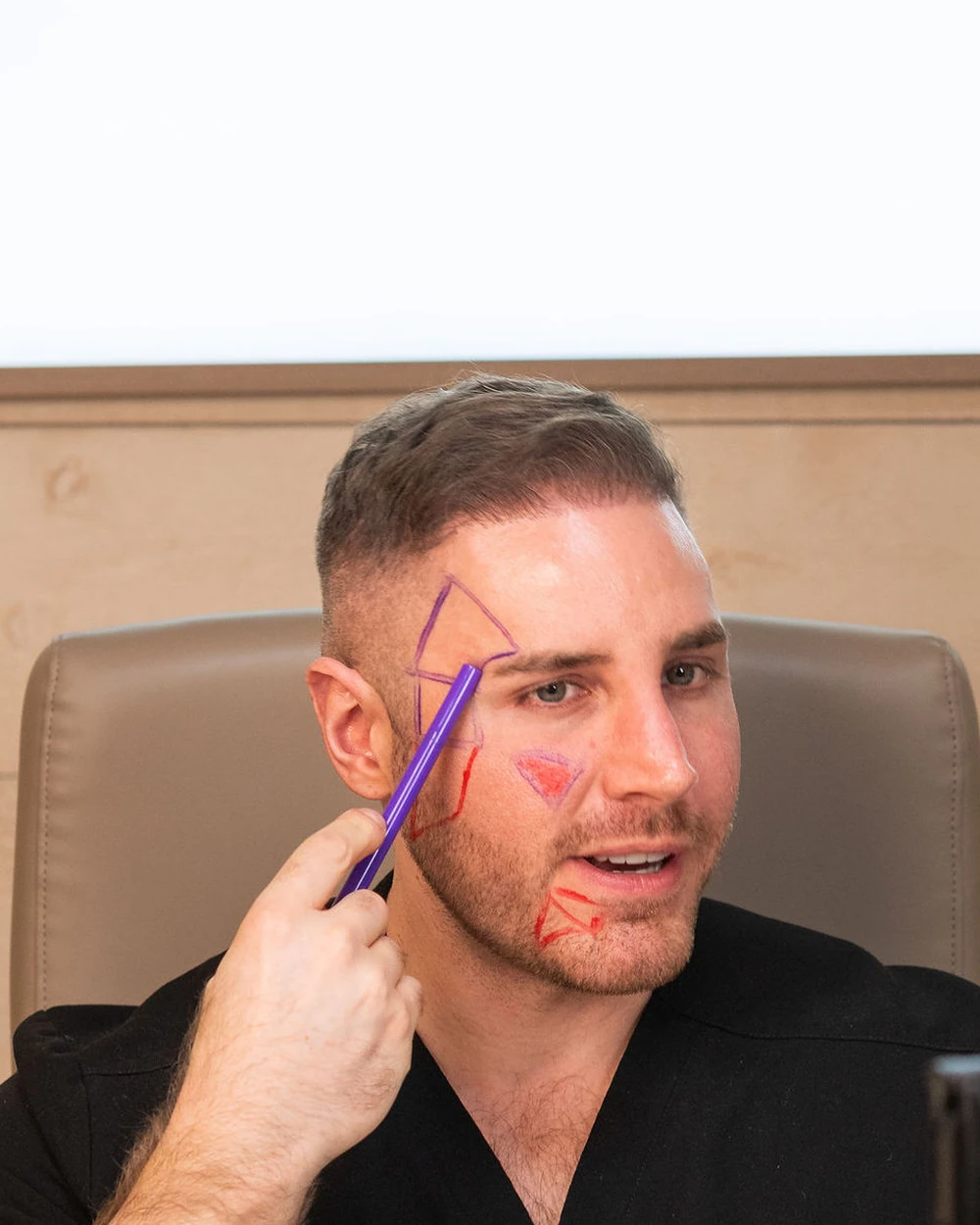
We ask when the marks appeared, whether they change with sun exposure or hormones and what treatment you have tried. We examine their pattern and assess your natural skin tone, recent tanning and history of pigment changes. A changing or unusual individual lesion needs a diagnostic pathway before any cosmetic laser or peel. Skin imaging may help document distribution but cannot rule out skin cancer.
Assessment pathway
A useful consultation for pigmentation follows a clear sequence rather than jumping to a product.
History
Sun exposure, hormones, medicines and previous treatment.
Examination
The pigment pattern, depth and skin tone.
Diagnosis
Sun spot, melasma, a mark after inflammation or something that needs review.
Plan
Skincare, a light or laser treatment, maintenance, or referral.
Your consultation
You do not need to choose a treatment before contacting us. Tell us what you have noticed, when it changed, what you have already tried and what a worthwhile result would look like to you. We consider your health, medication, previous procedures, skin or tissue characteristics and practical tolerance for recovery.
A useful consultation may lead to treatment, a staged plan, a period of observation or a referral. We would rather explain that an option is unlikely to help than place you into a course simply because the treatment is available.
Options we may discuss
Pigmentation has more than one cause, so there is no single fix. The right option depends on what we find at consultation.



What treatment may realistically achieve
Some discrete marks may respond more predictably than recurrent melasma. We discuss the chance of recurrence, the possibility of incomplete clearing and the risk of darker or lighter patches after treatment. A course should not be sold as a permanent cure for every form of pigmentation.
Related concerns we may also discuss
Pigmentation often sits alongside other related findings. These related concerns help frame the wider assessment.


Comfort, safety and clinical judgement
Comfort planning depends on the procedure. It may include topical or local anaesthetic, cooling, paced treatment or a nerve block where clinically appropriate. A nerve block is not needed for every concern, and comfort measures do not remove treatment risk.
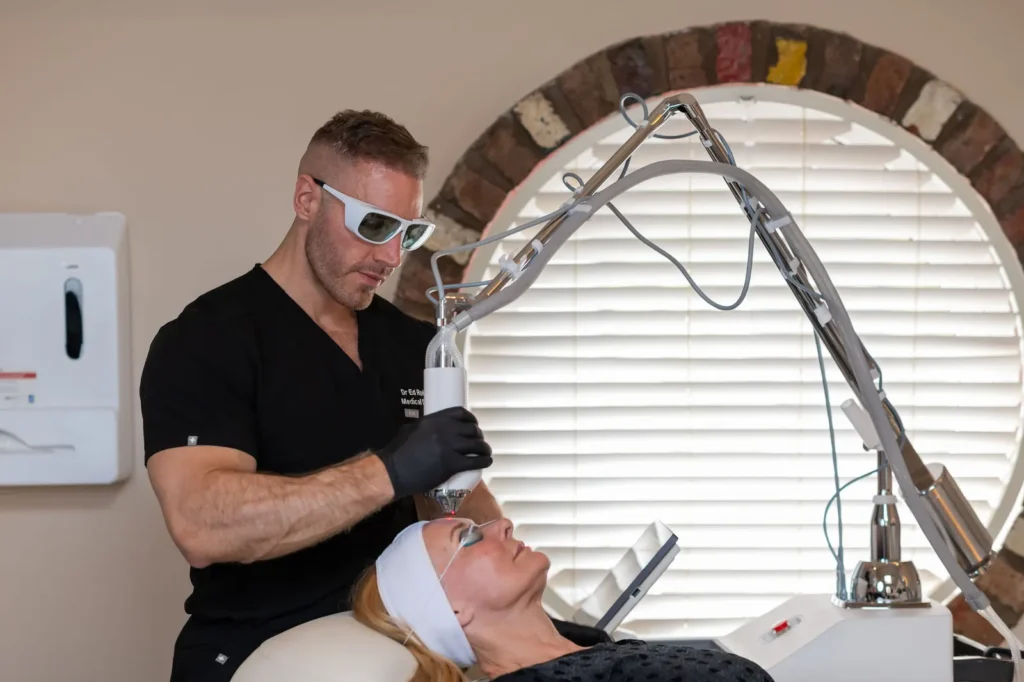
Device and skin treatments require careful attention to diagnosis, skin type, settings, eye protection, aftercare and escalation.
Nerve blocks and comfort
Laser, light and microneedling treatments can be uncomfortable. Topical anaesthetic, cooling and a paced approach are discussed beforehand, and a nerve block may be offered for some treatments where clinically appropriate.
Medical thinking
Why choose Dr Ed Robinson Clinics
Our approach is medical, conservative and consultation-led. We look at how the concern fits the whole face, skin or health picture rather than treating an isolated photograph.
Cause before product
Sun spots, melasma and marks after inflammation need different plans. We identify the pattern before recommending a pathway.
Comfort planned with judgement
Comfort planning may include topical or local anaesthetic, cooling, paced treatment or a nerve block where clinically appropriate.
Honest next steps
A useful consultation may lead to treatment, observation or a referral. We would rather explain when an option is unlikely to help.
CQC Good · Hale registered service
The registered Hale service is rated Good overall and Outstanding in leadership by the CQC. That rating relates to the registered service at Hale; it should not be read as separate CQC approval of every cosmetic procedure.
Read the CQC report for the registered Hale service · Meet Dr Ed
5.0 Google rating from 478 reviews
“I have been worried about having laser treatment on my face for pigmentation but after my consultation with Dr Ed and a chat with Kate I feel much better about having the procedure done.”
“have seen a huge improvement in my skin, redness and pigmentation massively reduced.”
What you can do at home
Use broad-spectrum sun protection, shade and protective clothing. For melasma, an appropriate tinted sunscreen with iron oxides may help with visible-light protection. Avoid unregulated bleaching products or repeated irritating exfoliation. Discuss any suspected hormonal trigger with the prescribing clinician rather than stopping medication yourself.
When to seek medical advice
A mark that changes in size, shape or colour, bleeds, becomes persistently sore or looks different from your other marks needs medical assessment before cosmetic treatment.
Related videos, articles and results
Further reading and clinic media that can help you understand pigmentation in context.

Frequently asked questions
Is melasma the same as an age spot
No. Melasma is generally a patchy, often recurrent pigment condition. A discrete sun spot is a different pattern and may respond differently to treatment.
Can laser make pigmentation worse
Yes. Inflammation or inappropriate settings can trigger pigment change, especially in susceptible skin. We assess this risk rather than promising universal clearing.
Will pigmentation return
It can, particularly with melasma or ongoing sun exposure. Maintenance and prevention should be discussed alongside any procedure.
Can you treat pigmentation in darker skin
Often options exist, but the balance of benefit and pigment risk needs individual assessment. A device name alone does not establish suitability.
Can I use any lightening cream
No. Ingredients, concentration and diagnosis matter. Some products are unregulated or inappropriate, and prescription products need medical supervision.