


Flat cheeks and loss of cheek definition
Doctor-led assessment in Hale, Cheshire
Cheek concerns · Hale, Cheshire

If your cheeks look flatter than they used to, the change may involve soft tissue as well as bone. We assess the midface and surrounding areas before deciding whether adding volume would improve your contour or simply make it fuller.
Hale clinic · Consultation first
You do not need to choose a treatment before contacting us. We start by understanding the cause, then explain whether a clinic pathway, observation or a referral is the more sensible next step.
At a glance
How we think about cheek shape
 Assessment focus
We examine the cheek from several angles and during smiling.
 Possible pathways
Cheek filler, Facial dermal filler assessment, Ultherapy Prime
 Our approach
Understand the cause first; recommend treatment only when the likely benefit justifies the risk, recovery and cost.
 Medical care first
Rapid unexplained hollowing, one-sided swelling, pain or a new mass requires medical review before an aesthetic plan.
What this concern can involve
Cheek shape comes from the skeleton, fat compartments, skin and their relationships. Ageing and weight loss can alter support and the transition between the lower eyelid and cheek. Some people naturally have less projection. What is described as losing cheekbones may instead be tissue descent, temple hollowing or a lighting effect, so the diagnosis needs more than a front-facing photograph.
Skeleton
Some people naturally have less cheek projection from the underlying bone.
Fat and support
Ageing and weight loss can alter support across the midface.
Tissue descent
What looks like lost cheekbones may be tissue that has moved lower.

Nearby areas
Temple hollowing or the eyelid-cheek transition can change how the cheek reads.
Midface volume loss and the under-eyes
The cheek and lower eyelid sit side by side. When the midface loses volume or support, the under-eye hollow can look deeper and shadows more obvious. In some patients, restoring cheek support first softens the under-eye area enough that tear trough filler is not needed, or can be kept to a smaller amount. In others, the hollow is a separate issue and needs its own plan. We assess both areas together before recommending either.
How we assess it
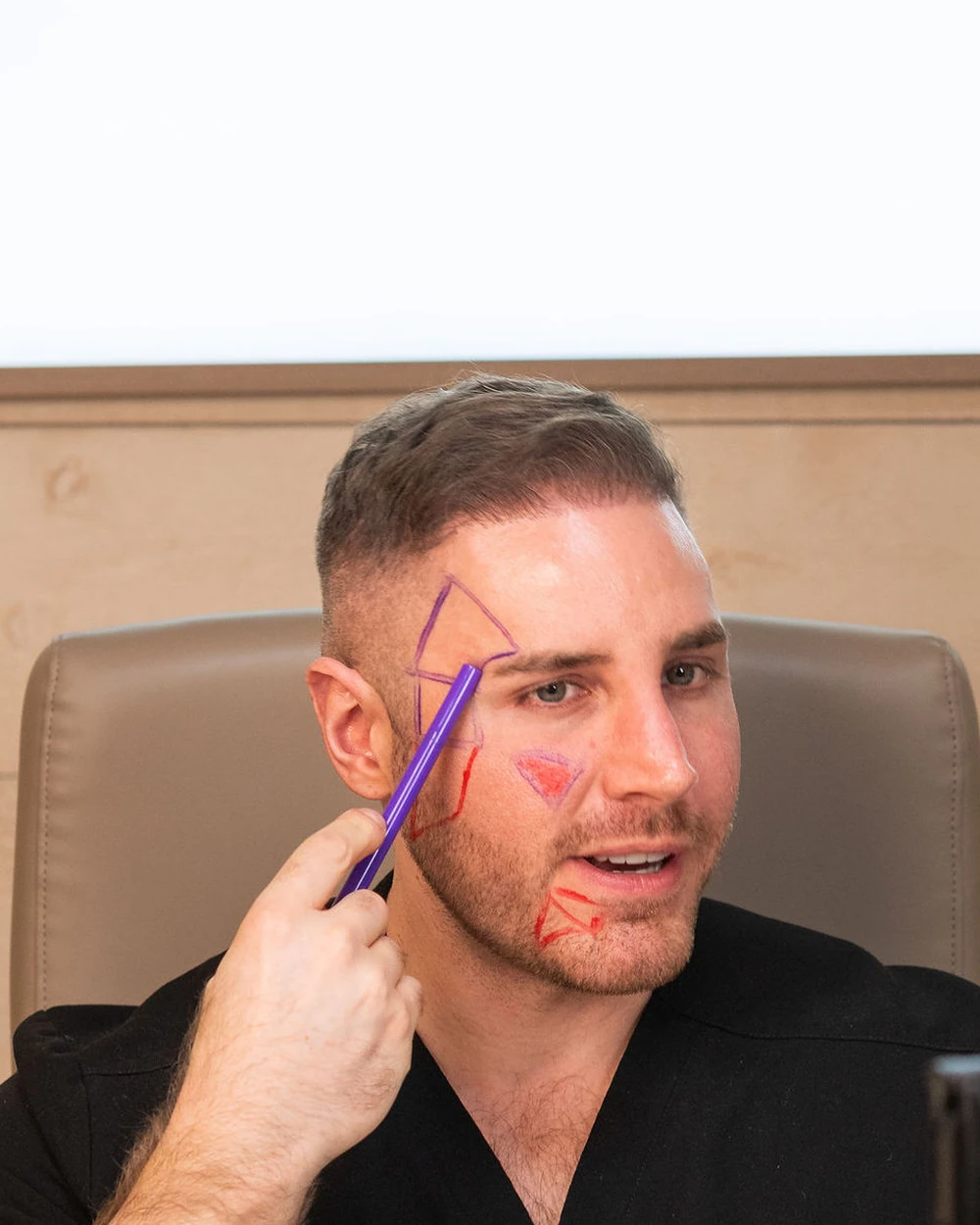
We examine the cheek from several angles and during smiling. We review previous filler, which may remain even when the face has changed around it. We also look at the temples, eye area and lower face. A rounded cheek at rest should not become excessively prominent when you smile; movement is part of the plan.
Assessment pathway
A useful cheek consultation follows a clear sequence rather than jumping to a product.
History
What has changed, weight change and any previous cheek or facial filler.
Examination
Several angles at rest and during smiling, with the temples, eye area and lower face.
Whole-face view
Whether the main deficit is in the cheek or elsewhere, and whether laxity is a separate concern.
Plan
Treatment, a staged plan, observation or a referral when that is the better option.
Your consultation
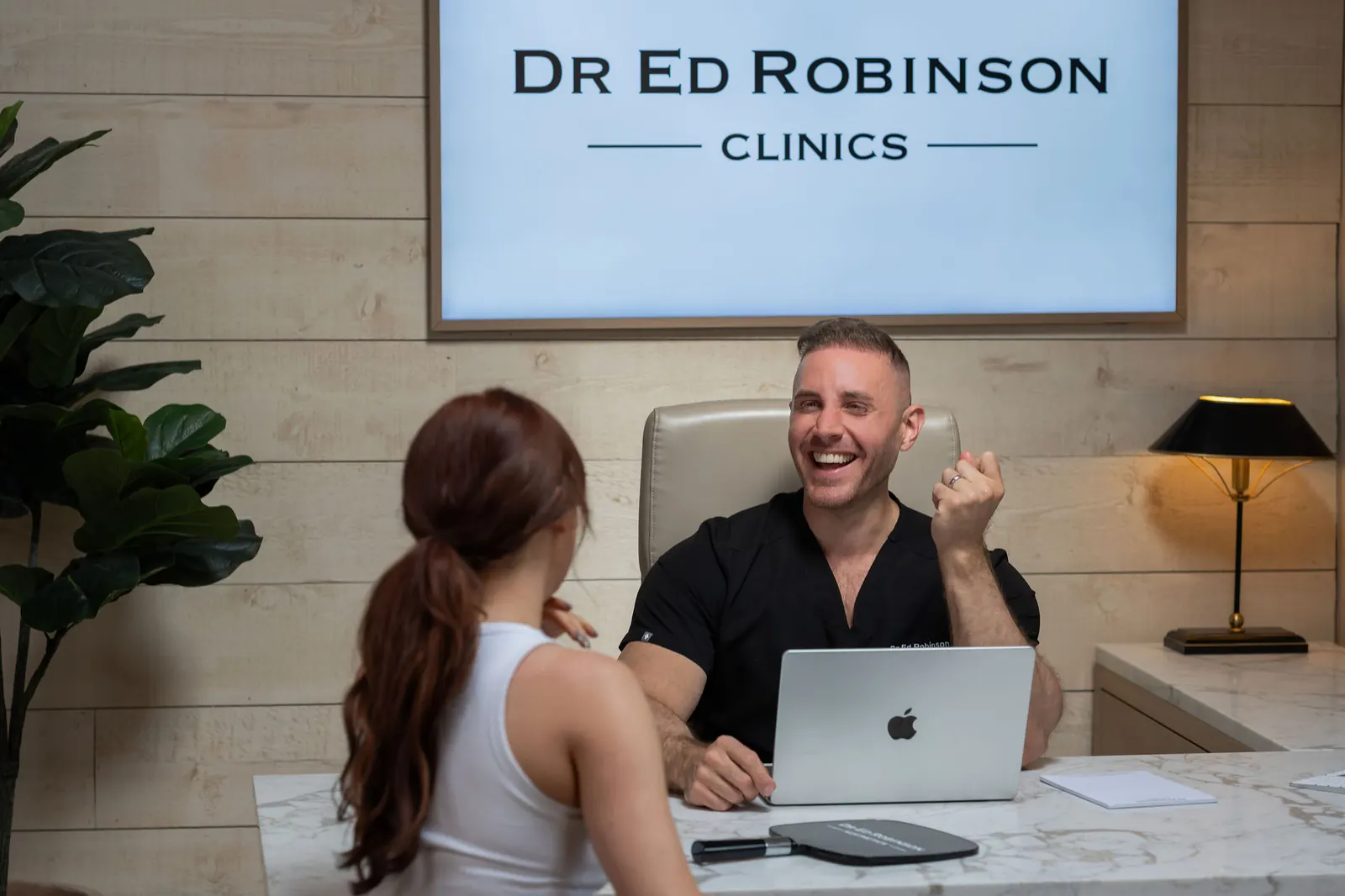
You do not need to choose a treatment before contacting us. Tell us what you have noticed, when it changed, what you have already tried and what a worthwhile result would look like to you. We consider your health, medication, previous procedures, skin or tissue characteristics and practical tolerance for recovery.
A useful consultation may lead to treatment, a staged plan, a period of observation or a referral. We would rather explain that an option is unlikely to help than place you into a course simply because the treatment is available.
Options we may discuss
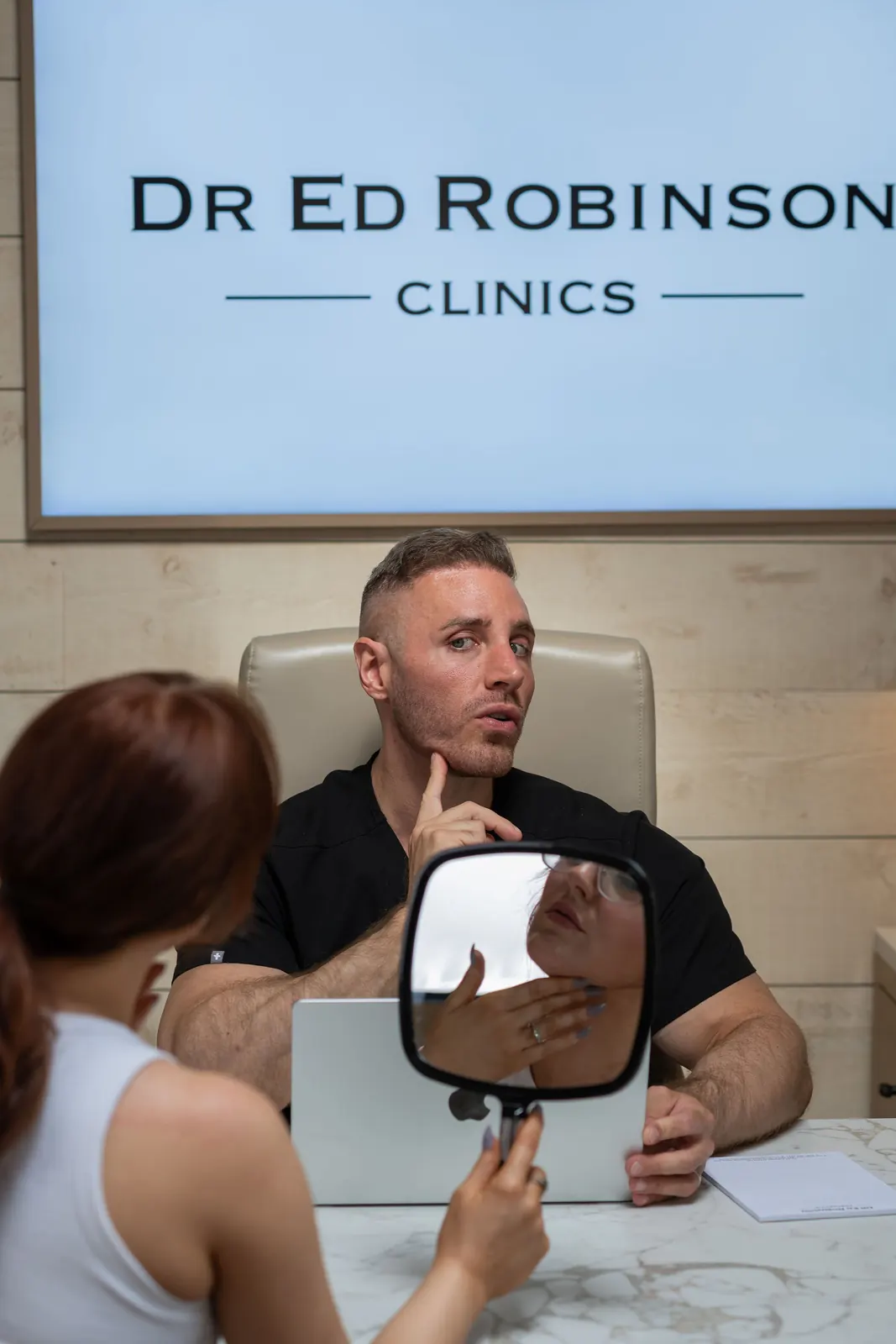
Flat cheeks can have more than one cause, so there is no single fix. Radiesse may also be part of the discussion where support and sagging are relevant. The right option depends on what we find at consultation.


What treatment may realistically achieve
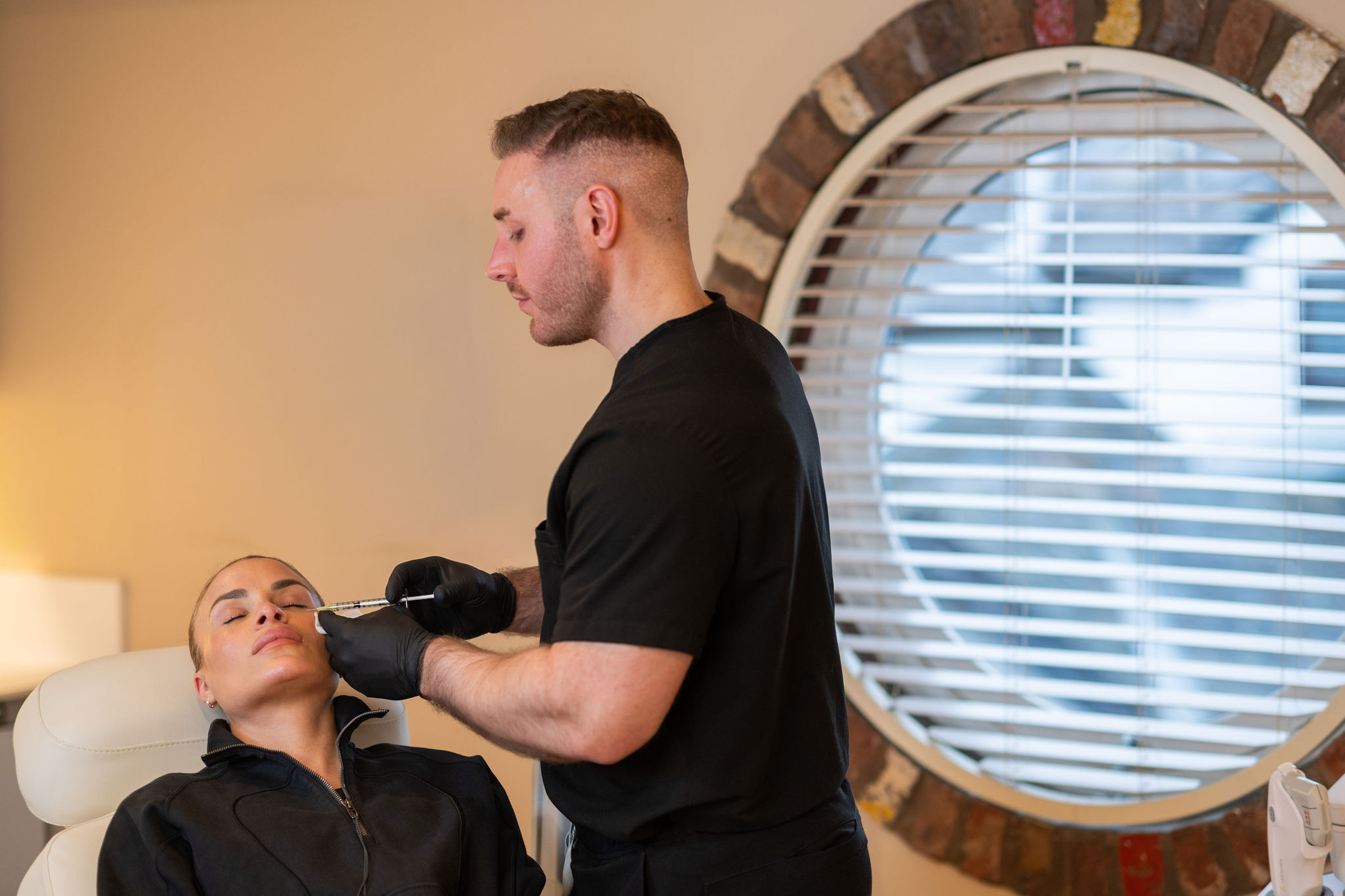
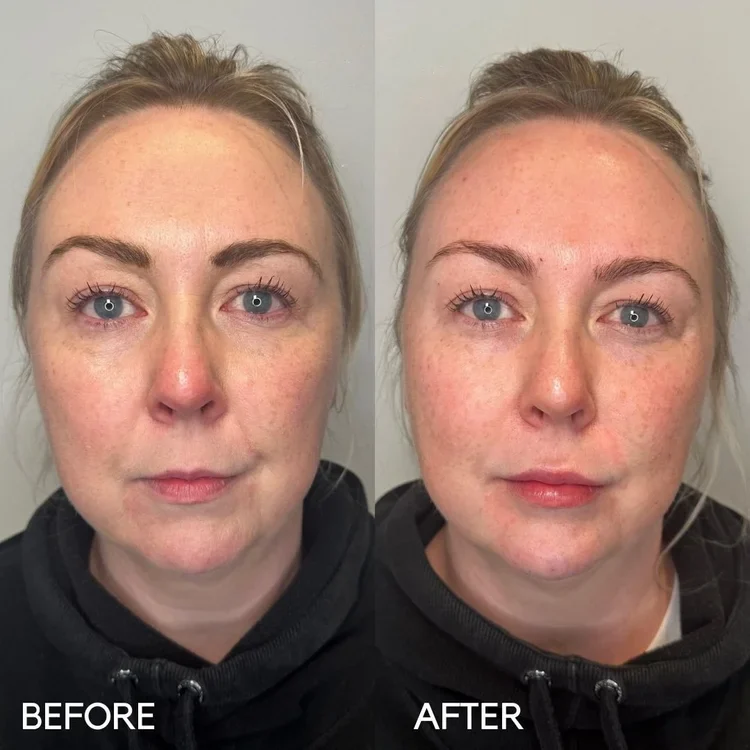
A better transition or modest improvement in definition can be more natural than a sharply projected cheek. Swelling can obscure the early result. Bruising, lumps, asymmetry and rare serious vascular complications are possible with filler. We explain when further product would add more risk or bulk than benefit.
Related concerns we may also discuss
Cheek shape often sits alongside other midface and under-eye findings. These related concerns help frame the wider assessment.


Comfort, safety and clinical judgement
Comfort planning depends on the procedure. It may include topical or local anaesthetic, cooling, paced treatment or a nerve block where clinically appropriate. A nerve block is not needed for every concern, and comfort measures do not remove treatment risk.
For some injectable assessments, ultrasound may help answer an anatomical question, identify existing filler or guide aspects of treatment or complication management. It is an additional clinical tool, not a guarantee against bruising, vascular occlusion or other complications. Device treatments require the same attention to diagnosis, skin type, settings, eye protection, aftercare and escalation.
Nerve blocks and comfort
Where clinically appropriate, a nerve block can form part of comfort planning for injectable pathways. It is discussed beforehand and is not needed for every cheek concern.
Ultrasound as a clinical tool
Ultrasound can help when anatomy or residual filler is unclear. It supports clinical judgement; it does not remove the risks of treatment.
Medical thinking
Why choose Dr Ed Robinson Clinics
Our approach is medical, conservative and consultation-led. We look at how the concern fits the whole face, skin or health picture rather than treating an isolated photograph.
Cause before product
Bone, fat, skin and nearby areas all shape the cheek. We assess the whole midface in movement before recommending a pathway.
Comfort planned with judgement
Comfort planning may include topical or local anaesthetic, cooling, paced treatment or a nerve block where clinically appropriate.
Honest next steps
A useful consultation may lead to treatment, observation or a referral. We would rather explain when an option is unlikely to help.
CQC Good · Hale registered service
The registered Hale service is rated Good overall and Outstanding in leadership by the CQC. That rating relates to the registered service at Hale; it should not be read as separate CQC approval of every cosmetic procedure.
Read the CQC report for the registered Hale service · Meet Dr Ed
5.0 Google rating from 478 reviews
“Temple and hollows around outer corner of eyes. … The treatment was painless no bruising and the results are everything I wished for.”
“Absolutely delighted with the treatments Dr Ed carried out to address the age related volume loss in my face; highly recommend!”
What you can do at home
Skincare can improve surface texture and sun protection helps limit further photoageing. It cannot rebuild deep facial support. Older photographs in similar lighting are often more useful for discussion than a filtered reference image.
When to seek medical advice
Rapid unexplained hollowing, one-sided swelling, pain or a new mass requires medical review before an aesthetic plan.
Related videos, articles and results
Further reading and clinic media that can help you understand cheek concerns in context.


Frequently asked questions
Have my cheekbones actually disappeared
Usually the appearance reflects a combination of skeletal and soft-tissue changes. An examination helps distinguish reduced projection from descent or changes elsewhere.
Will cheek filler treat my under eyes
It may affect the eyelid-cheek transition in some patients, but it does not treat every dark circle, bag or tear trough.
Can you lift my whole face with cheek filler
Filler changes volume and support. It does not reproduce a facelift, and large amounts may make the cheeks heavy without adequately improving lower-face laxity.
What if I already have cheek filler
We assess what remains and whether the new concern is actually a lack of volume. More product is not automatically the right answer.
Can I keep my natural cheek shape
That is an important planning goal. We discuss what you want to preserve and assess the face during expression, while acknowledging that any procedure can change appearance.