


Dullness and reduced skin radiance
Doctor-led assessment in Hale, Cheshire
Dullness and reduced skin radiance · Hale, Cheshire

Dull skin is a useful description of what you notice, but it does not identify a single condition. Dryness, uneven tone, irritation or surface texture may be responsible. We assess the skin before recommending exfoliation or a treatment for glow.
Hale clinic · Consultation first
You do not need to choose a treatment before contacting us. We start by understanding the cause, then explain whether a clinic pathway, observation or a referral is the more sensible next step.
At a glance
How we think about dullness and reduced skin radiance
 Assessment focus
We ask about recent changes, sensitivity, your daily products and what you mean by dullness.
 Possible pathways
Skincare consultation, Bespoke facials, MOXI or ClearSilk
 Our approach
Understand the cause first; recommend treatment only when the likely benefit justifies the risk, recovery and cost.
 Medical care first
New pallor with fatigue, breathlessness or feeling unwell should be discussed with your GP.
What this concern can involve
Light reflects differently from a smooth, hydrated surface than from dry or uneven skin. Pigmentation and redness can also make the complexion appear less even. An irritating routine can leave the skin both shiny and dehydrated-feeling. General health, sleep and smoking may contribute, but the appearance should not be used to diagnose a vitamin deficiency or hormonal problem.

Dryness
Dehydrated skin reflects less light.
Uneven tone
Pigment and redness break up an even glow.
Surface texture
Rough skin scatters light.
Irritation
Over-exfoliated skin can look dull and feel sore.
How we assess it
We ask about recent changes, sensitivity, your daily products and what you mean by dullness. Examination may identify dryness, congestion, pigment or active dermatitis. Skin imaging can support discussion but does not replace clinical examination. If the skin is already inflamed, the first step may be simplifying care rather than adding a procedure.
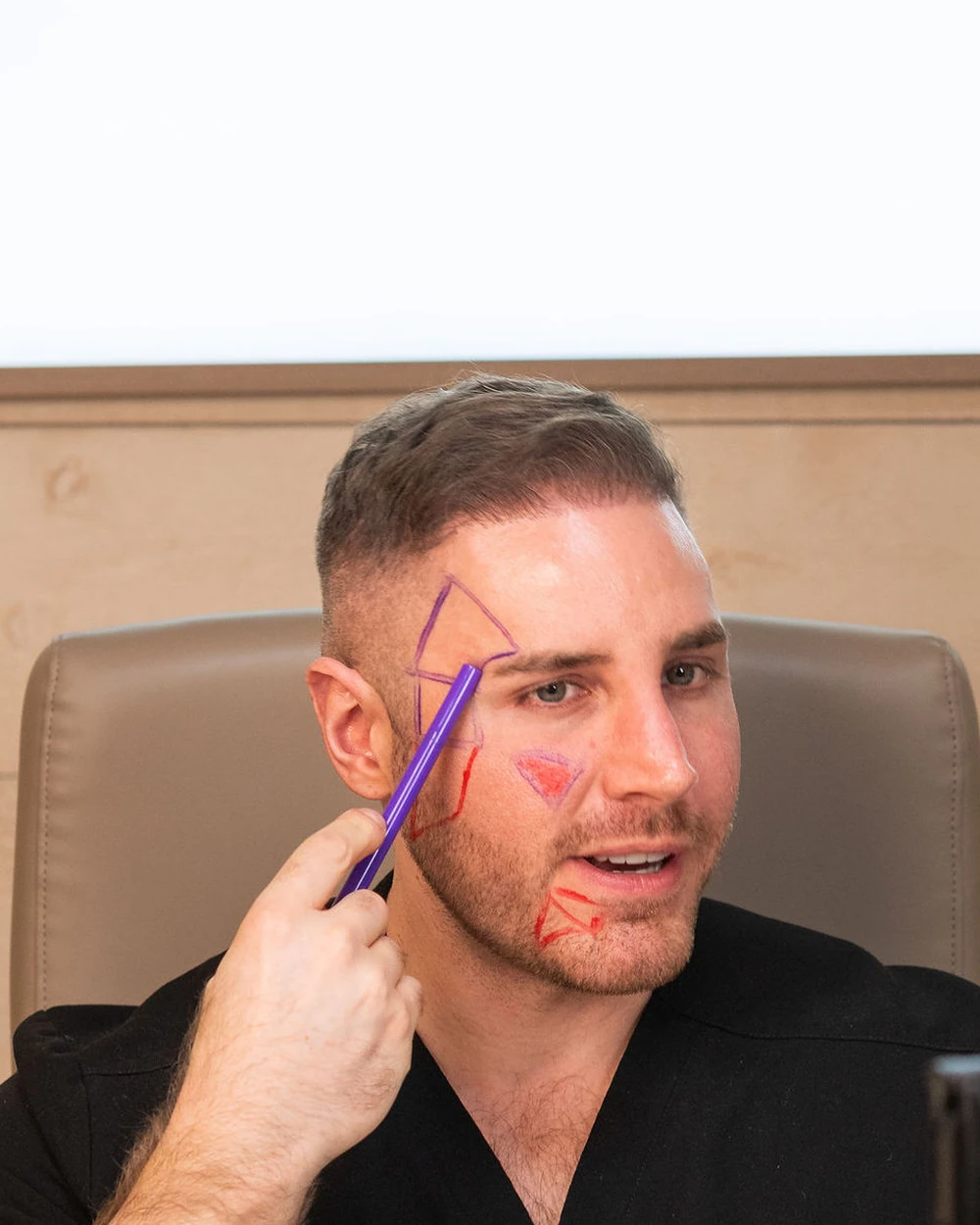
Assessment pathway
A useful consultation for dull skin follows a clear sequence rather than jumping to a product.
History
Routine, sleep, sun exposure and recent changes.
Examination
Hydration, tone, texture and irritation.
Cause
Dryness, tone, texture or irritation, and which matters most.
Plan
Skincare, a facial, a device treatment, or no treatment.
Your consultation
You do not need to choose a treatment before contacting us. Tell us what you have noticed, when it changed, what you have already tried and what a worthwhile result would look like to you. We consider your health, medication, previous procedures, skin or tissue characteristics and practical tolerance for recovery.
A useful consultation may lead to treatment, a staged plan, a period of observation or a referral. We would rather explain that an option is unlikely to help than place you into a course simply because the treatment is available.

Options we may discuss
Dull skin has more than one cause, so there is no single fix. The right option depends on what we find at consultation.


What treatment may realistically achieve
Hydration-related changes may appear sooner than improvement in pigmentation or photoageing. We agree what we are trying to change and how to assess it. If the result fades quickly, that may reflect the nature of the treatment rather than a need to buy a more intensive course.
Related concerns we may also discuss
Dull skin often sits alongside other related findings. These related concerns help frame the wider assessment.

Comfort, safety and clinical judgement
Comfort planning depends on the procedure. It may include topical or local anaesthetic, cooling, paced treatment or a nerve block where clinically appropriate. A nerve block is not needed for every concern, and comfort measures do not remove treatment risk.
Device and skin treatments require careful attention to diagnosis, skin type, settings, eye protection, aftercare and escalation.
Nerve blocks and comfort
Laser and light treatments can be uncomfortable. Topical anaesthetic, cooling and a paced approach are discussed beforehand, and a nerve block may be offered for some laser treatments where clinically appropriate.
Medical thinking
Why choose Dr Ed Robinson Clinics
Our approach is medical, conservative and consultation-led. We look at how the concern fits the whole face, skin or health picture rather than treating an isolated photograph.
Cause before product
Dryness, tone, texture and irritation all affect radiance. We assess them together before recommending a pathway.
Comfort planned with judgement
Comfort planning may include topical or local anaesthetic, cooling, paced treatment or a nerve block where clinically appropriate.
Honest next steps
A useful consultation may lead to treatment, observation or a referral. We would rather explain when an option is unlikely to help.
CQC Good · Hale registered service
The registered Hale service is rated Good overall and Outstanding in leadership by the CQC. That rating relates to the registered service at Hale; it should not be read as separate CQC approval of every cosmetic procedure.
Read the CQC report for the registered Hale service · Meet Dr Ed
5.0 Google rating from 478 reviews
“After just one session, I noticed a visible improvement in my skin’s texture and glow.”
“My skin has improved massively already, and I’m excited to see the final results continue to develop.”
What you can do at home
Avoid piling exfoliating acids onto tight, stinging skin. Review the basics first and introduce changes gradually. We can assess products you already own; buying an entirely new routine is not always necessary.
When to seek medical advice
New pallor with fatigue, breathlessness or feeling unwell should be discussed with your GP. Persistent rash, pain or a changing lesion needs assessment rather than a glow treatment.
Related videos, articles and results
Further reading and clinic media that can help you understand dull skin in context.



Frequently asked questions
Does dull skin need exfoliation
Sometimes, but dryness or irritation may be the real issue. More exfoliation can worsen an impaired skin barrier.
Will drinking more water fix it
Correcting dehydration matters for health, but extra water beyond your needs does not reliably treat pigmentation, scarring or established photoageing.
Can a facial give a lasting result
It may provide useful short-term hydration. Longer-term change depends on the cause and an appropriate ongoing plan.
Do I need laser for radiance
Not necessarily. A simpler routine or treatment of irritation may be more helpful. Laser needs a defined target and a proportionate benefit.
Is my skin dry or dehydrated
Dry skin makes too little oil, so it can feel tight, rough or flaky most of the time. Dehydrated skin lacks water and can affect any skin type, including oily skin. It often looks dull and shows fine lines more easily. Over-cleansing, harsh products, central heating and flights can all play a part. We look at your routine and skin barrier first, then suggest hydrating facials, skin boosters or skincare that suit the cause.
Can I have treatment before an event
Discuss the date with us first. As a guide, try a new facial or peel at least two to four weeks before, so any redness or flaking has time to settle. Laser treatments such as BBL HEROic or MOXI are best planned six to eight weeks ahead, or as a course that finishes a few weeks before the day. In the final week, stick to treatments your skin already knows. A first intensive treatment just before an event leaves little time to recover.