


HALO® TRIBRID™ offers a highly customisable approach to laser skin resurfacing, allowing treatment to be adapted to the individual rather than following a standard protocol. At Dr Ed Robinson Aesthetics, we use this advanced Sciton technology to combine three laser wavelengths within a single handpiece, targeting carefully selected depths within the skin.
This flexibility allows us to address concerns including sun damage, uneven pigmentation, rough texture, enlarged pores, fine and deeper lines and selected acne scars. Treatment depth and intensity can be tailored to your skin, the degree of correction required and your preferred level of recovery.
At a glance

Approximately 60–90 minutes, including preparation

Topical numbing cream or nerve blocks, where appropriate

Typically 3–7 days, depending on treatment intensity

Develop progressively over the following weeks and months
Benefits of HALO® TRIBRID™
-

THREE LASER WAVELENGTHS
Combines three independently controlled wavelengths to treat the skin at different depths within one treatment. -
HIGHLY CUSTOMISABLE
Treatment depth and intensity can be adjusted according to your skin, concerns and desired level of resurfacing. -
IMPROVES SKIN TEXTURE
Helps smooth rough or uneven skin and improve the appearance of enlarged pores and selected acne scars. -
TARGETS SUN DAMAGE
Can improve areas of visible sun damage, pigmentation and uneven skin tone. -
COLLAGEN REMODELLING
Controlled laser energy stimulates the skin's natural repair response, supporting gradual collagen remodelling. -
VERSATILE RESURFACING
Can be adapted from more superficial resurfacing through to deeper, partially ablative treatment where appropriate.
What areas can be treated?

FACE & NECK
DÉCOLLETAGE
HANDS & ARMS
OTHER AREAS
What conditions can a HALO® TRIBRID™ help with?
Pigmentation

Uneven pigmentation can develop for several reasons, including cumulative UV exposure and the natural ageing process.
HALO® TRIBRID™ can target areas of unwanted superficial pigmentation while simultaneously resurfacing the skin. Pigmented areas may initially appear darker following treatment before gradually flaking away during the healing process.
Sun Damage
Repeated exposure to ultraviolet light can contribute to pigmentation, roughness, uneven skin tone and other visible signs of photodamage.
HALO® TRIBRID™ allows different depths of the skin to be treated during the same procedure, helping improve both surface changes and overall skin quality.
Fine and Deeper Lines
As collagen production gradually declines with age, fine lines, deeper lines and changes in skin texture can become more noticeable.
The controlled thermal effect created by fractional laser treatment stimulates a healing response within the skin, encouraging progressive collagen remodelling. HALO® TRIBRID™ also incorporates partially ablative Erbium laser resurfacing, allowing more established lines and surface changes to be targeted where appropriate.
Acne Scarring
Acne scars can affect the skin at different depths and may leave depressions, uneven texture or more noticeable pores.
HALO® TRIBRID™ can be customised to treat selected types of acne scarring by combining resurfacing with deeper thermal stimulation. The most appropriate treatment will depend on the type and severity of scarring present.
Enlarged Pores
Pores can appear more prominent as skin texture changes and collagen support declines.
By resurfacing the skin and stimulating collagen remodelling, HALO® TRIBRID™ can help create a smoother, more refined-looking complexion.
Dull Skin
Uneven pigmentation, sun damage and changes in skin renewal can leave the complexion looking dull or less vibrant.
By targeting both surface irregularities and deeper skin renewal, HALO TRIBRID can help improve overall tone, texture and radiance.
Our Approach
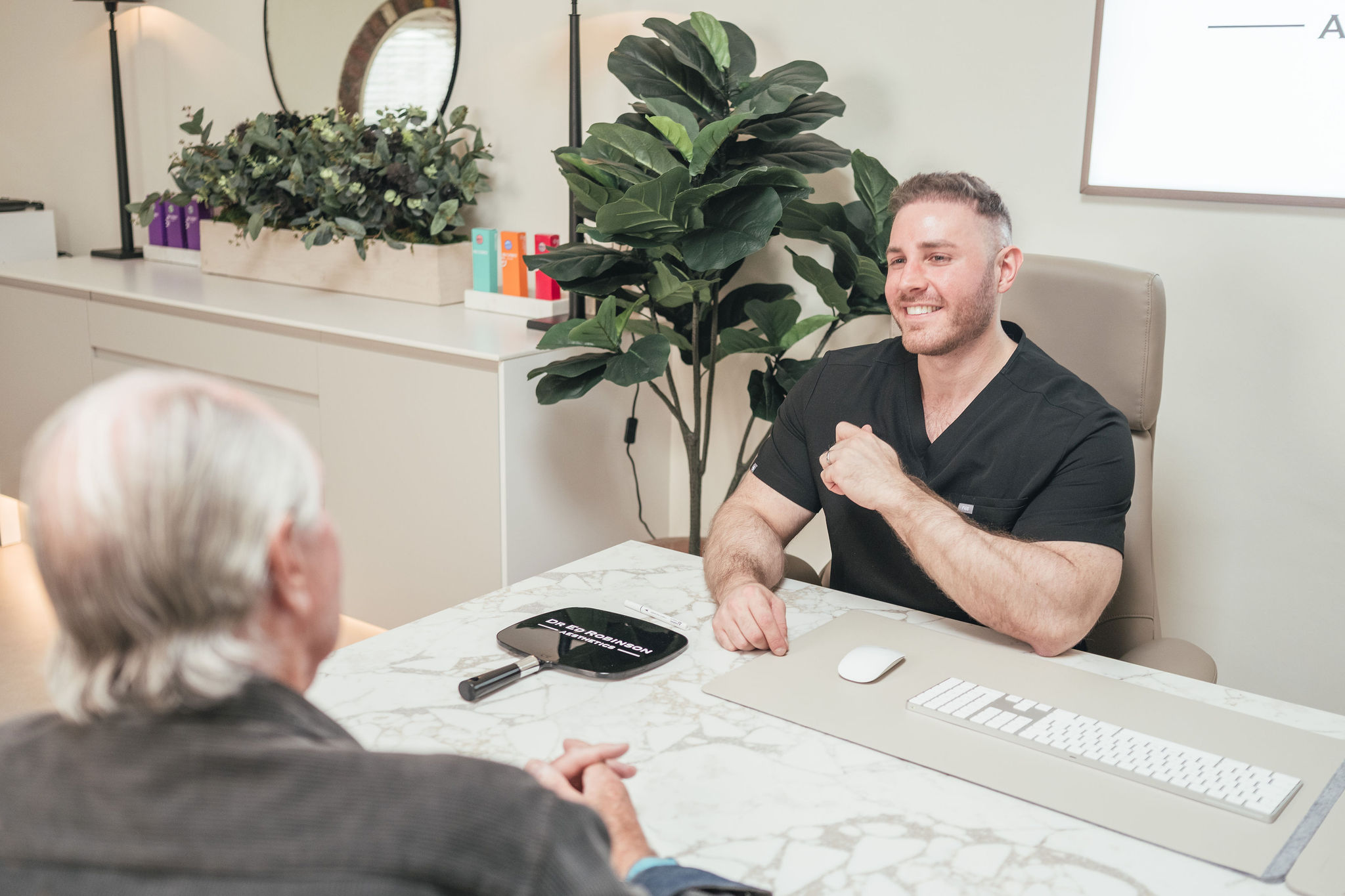
Patient Safety
Your skin is carefully assessed before treatment to determine whether HALO® TRIBRID™ is appropriate for you.
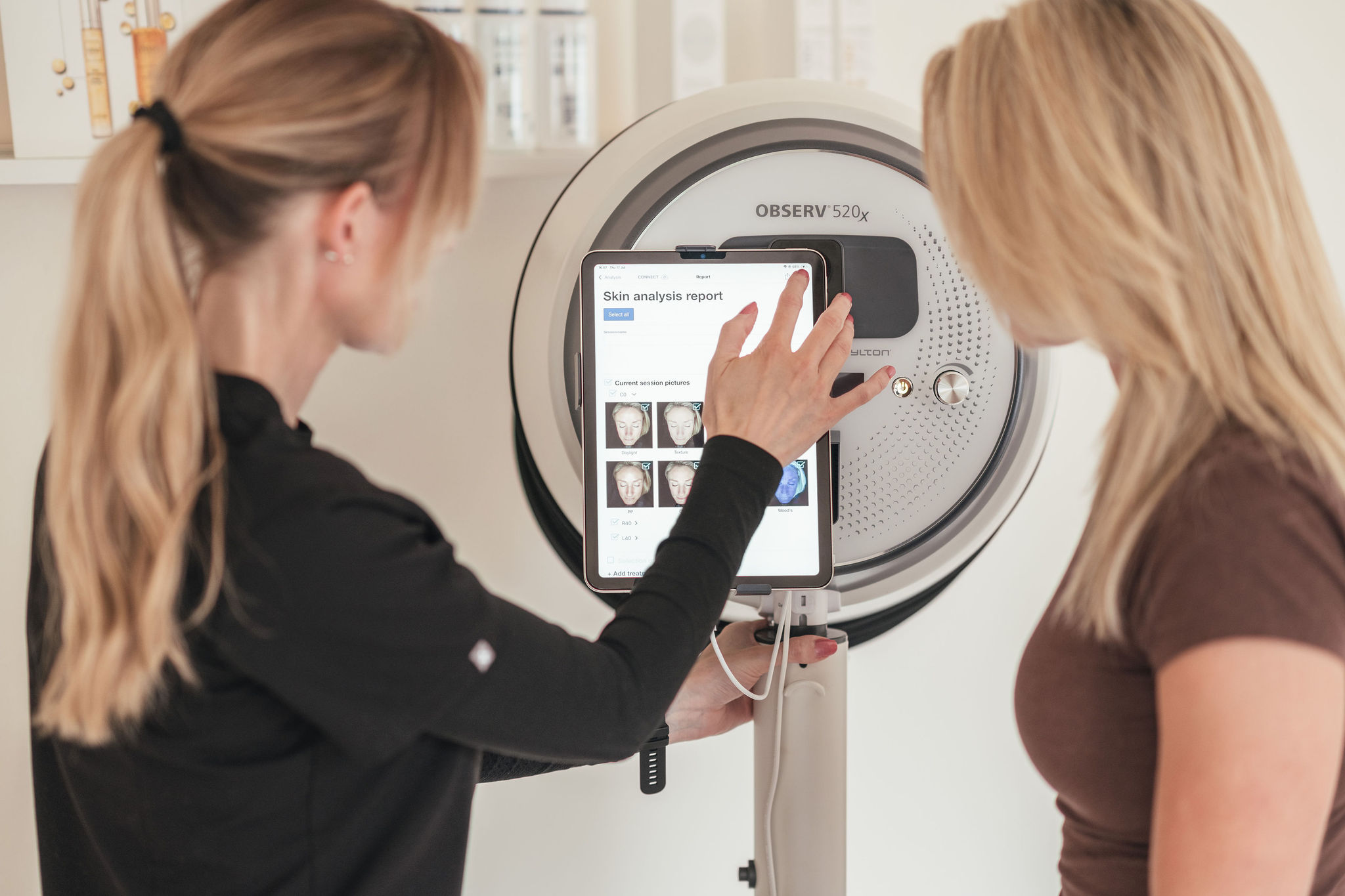
Evidence-Based Practice
We use established technologies and treatment protocols, with settings selected according to your skin and the concerns being treated.
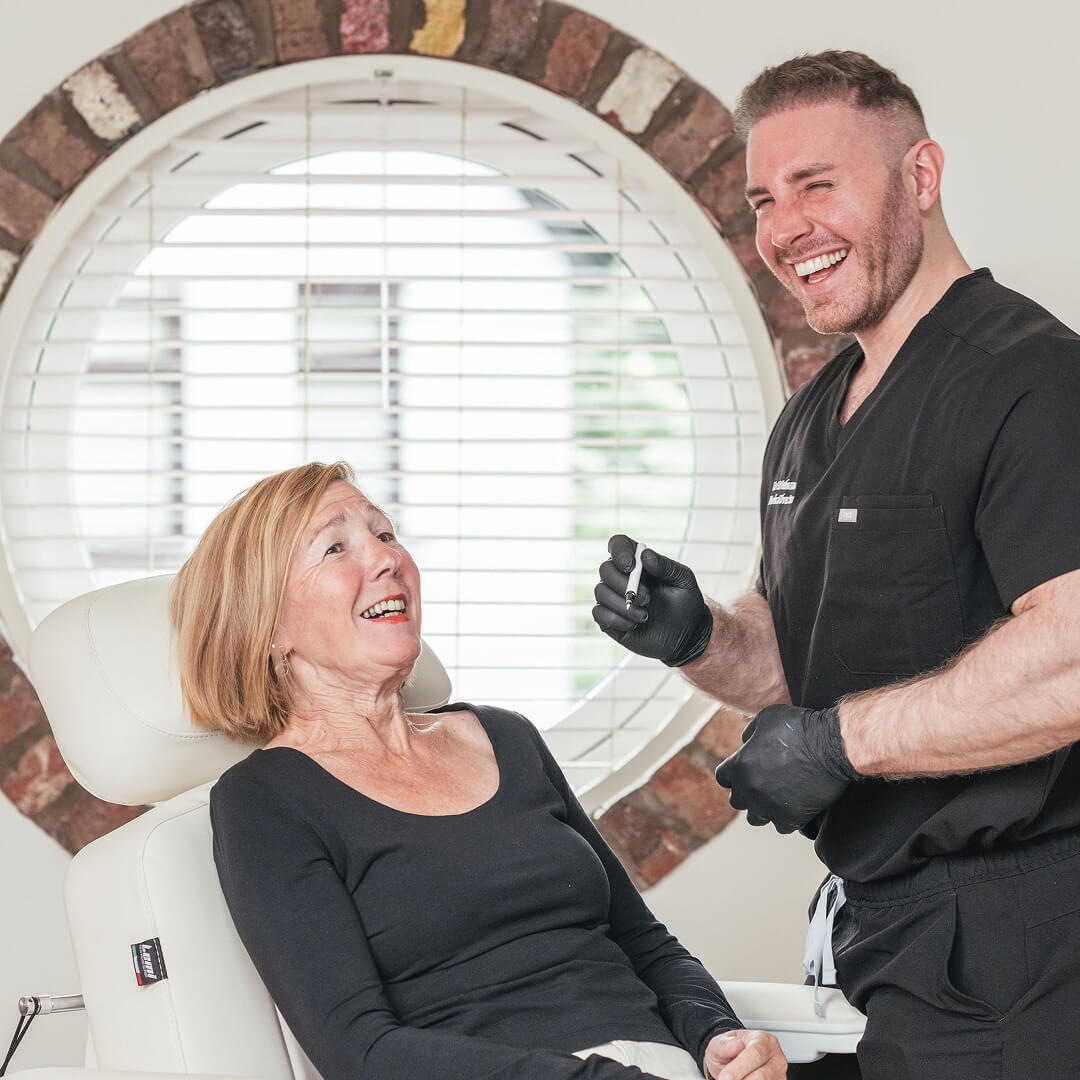
Bespoke Treatments
HALO® TRIBRID™ is highly customisable. Treatment depth and intensity can be adjusted according to your skin type, concerns and desired recovery period.
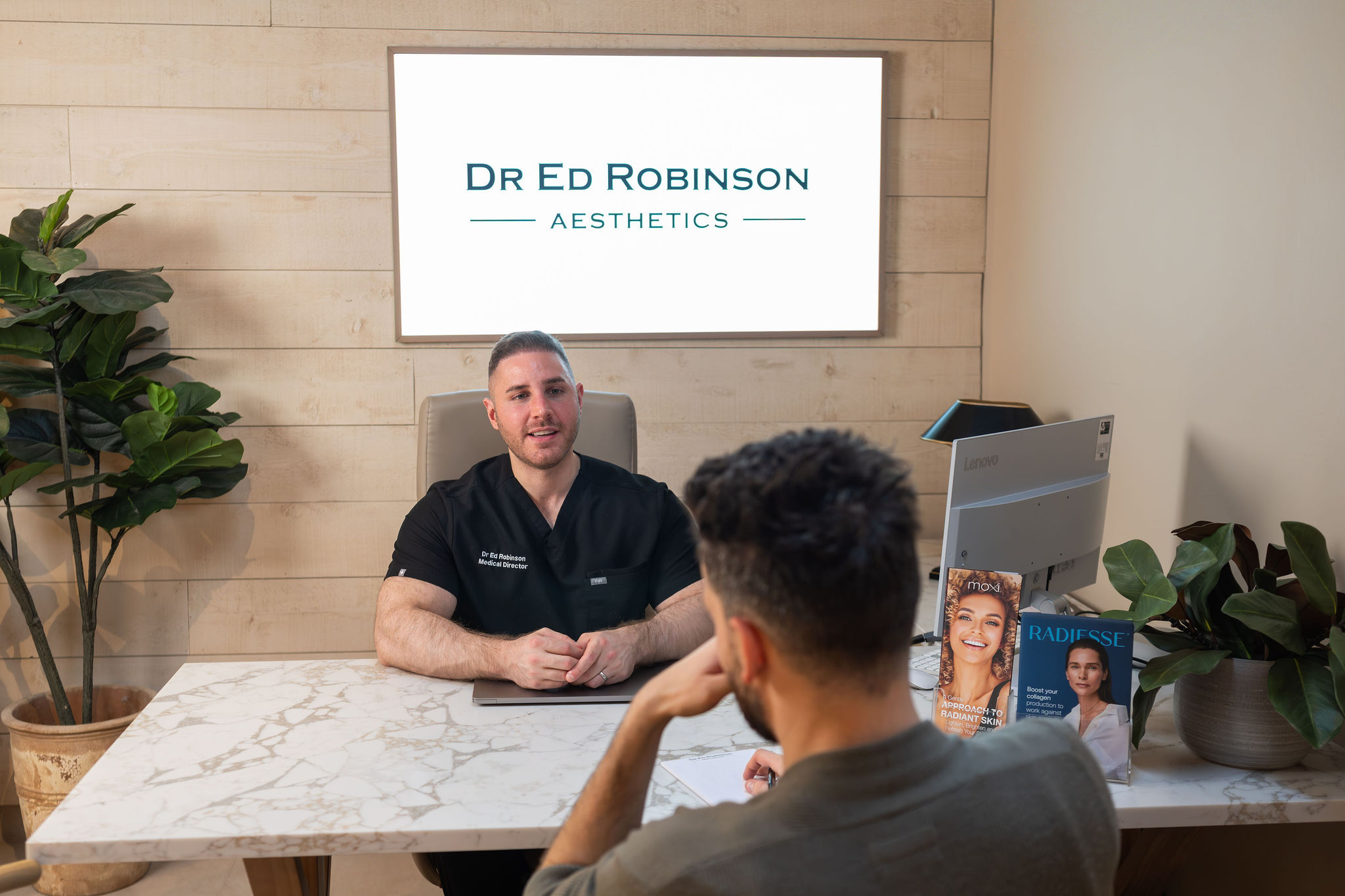
Long-Term Skin Health
Laser resurfacing can form part of a wider approach to maintaining skin quality, alongside appropriate skincare and daily sun protection.
HALO® TRIBRID™ Aftercare

What to Avoid
Following treatment, the skin needs time to heal. You will receive personalised aftercare advice, but this will typically include:
- Avoiding direct sun exposure
- Avoiding strenuous exercise and excessive sweating during the initial recovery period
- Avoiding swimming pools, saunas and steam rooms until the skin has recovered
- Temporarily stopping retinoids, exfoliating acids and other active skincare as advised
- Avoiding picking, rubbing or exfoliating peeling skin
- Wearing broad-spectrum SPF every day

Comfort & Recovery Tips
Redness, warmth and mild swelling are expected following treatment. The skin may feel similar to sunburn during the initial recovery period.
Over the following days, you may notice a bronzed or rough texture and tiny dark spots across the treated area. These gradually flake away as the skin renews.
The skin should be allowed to shed naturally. Gentle cleansing, appropriate moisturisation and careful sun protection are particularly important during this period.
Recovery varies according to the settings used, with more intensive resurfacing generally requiring more downtime.
FAQs
For more general enquiries, please take a look at some of our frequently asked questions.
What makes HALO® TRIBRID™ different from other laser treatments?
HALO® TRIBRID™ combines three independently controlled wavelengths within one handpiece. This means we can work at different depths within the skin during the same treatment and customise the balance between superficial resurfacing, pigmentation treatment and deeper collagen stimulation.
Is HALO® TRIBRID™ an Erbium laser?
Yes. HALO® TRIBRID™ incorporates a 2940nm Er, or Erbium, laser wavelength as its ablative component, alongside two non-ablative wavelengths.
The Erbium wavelength precisely removes microscopic areas of tissue at the skin’s surface, allowing more intensive resurfacing of concerns such as deeper lines, wrinkles, uneven texture and selected acne scars. Because HALO® TRIBRID™ combines this with non-ablative wavelengths, different layers and concerns can be targeted within the same treatment.
How is Erbium laser resurfacing different from CO₂ laser resurfacing?
Both Erbium and CO₂ lasers are ablative technologies used for skin resurfacing, but they interact with the skin differently.
Erbium laser energy is absorbed very efficiently by water within the skin, allowing tissue to be removed precisely with less surrounding thermal damage than is typically produced by a CO₂ laser. This can mean less heat-related injury and, depending on treatment settings, a shorter recovery period.
CO₂ resurfacing can provide greater thermal coagulation and may be appropriate when more intensive resurfacing is required. Neither technology is universally “better”. The most appropriate approach depends on the concern being treated, the depth of resurfacing required, your skin and the acceptable level of downtime.
Can HALO® TRIBRID™ treat around the eyes and under the eyes?
HALO® TRIBRID™ may be used around the eye area in appropriately selected patients to improve concerns such as fine lines, deeper wrinkles and changes in skin texture.
The skin around the eyes is delicate, so treatment settings and suitability need to be carefully assessed. Where appropriate, the Erbium component allows controlled ablative resurfacing of this area to address more established textural changes and wrinkles.
Can HALO® TRIBRID™ treat lines around the mouth, smoker's lines and barcode lines?
Yes, HALO® TRIBRID™ may be used to treat vertical lines around the mouth, sometimes referred to as smoker’s lines, lipstick lines or barcode lines.
These lines can become more established over time and may require more than superficial skin treatment. The ablative Erbium component of HALO® TRIBRID™ allows us to resurface the skin more intensively around the mouth where appropriate, while the other wavelengths can support broader skin renewal and collagen remodelling.
How many HALO® TRIBRID™ treatments will I need?
This varies between patients. Some people may benefit from a single more intensive treatment, while others may be better suited to a course of treatments using different settings. Your treatment plan will be discussed following a detailed skin assessment.
How long does it take to see results?
Once the initial redness and roughness have settled, the skin may begin to look brighter and smoother. Further improvement can develop over the following weeks and months as the skin continues to renew and collagen remodelling takes place.
How much downtime is there after HALO® TRIBRID™?
Downtime depends on the intensity of treatment. Following facial treatment, visible recovery is commonly around 3–7 days, although deeper settings may require longer.
Redness, warmth, swelling, bronzing and flaking can occur during this period.
Can HALO® TRIBRID™ be used on the body?
Yes. In addition to the face, HALO® TRIBRID™ may be suitable for areas including the neck, décolletage, hands and selected areas of the body. Treatment suitability will depend on your skin and the concern being addressed.
Can I have HALO® TRIBRID™ if I have a tan?
Laser resurfacing should not be carried out on heavily tanned or recently sun-exposed skin because this can increase the risk of unwanted pigmentation changes and other complications. Recent sun exposure, tanning and upcoming holidays should therefore be discussed during your consultation.