


MOXI® laser
In Hale, Cheshire
MOXI® · Hale, Cheshire
MOXI® laser treatment in Hale, Cheshire
Improve early sun damage, uneven tone and mild textural change with gentle fractional resurfacing
MOXI® sits in a useful middle ground. It is more purposeful than a facial or a skincare change, but it is not trying to behave like deep ablative resurfacing. For the right patient, it can improve early sun damage, patchy tone and fine surface texture with a recovery period that is usually easier to accommodate than a more intensive laser procedure.
"Gentle" does not mean insignificant, and "little downtime" does not mean that the skin will look completely unchanged. MOXI creates thousands of controlled microscopic treatment zones. The skin commonly feels hot at first, then looks bronzed and feels dry or sandpaper-like for several days while microscopic treated material comes away naturally.
We start by deciding whether your concern actually sits within MOXI’s range. If the main issue is redness, isolated facial vessels, deep acne scarring, pronounced laxity or etched lines, another treatment may be more appropriate. If pigmentation behaves like melasma, we take a particularly cautious approach because inflammation can make it less predictable.
MOXI® is available at our Hale clinic only. Patients travel to us from Cheshire, Manchester and London, and we can help plan treatment around work, events and travel.
Hale clinic · Consultation first
MOXI® is available at our Hale clinic only. A consultation comes first so that we can decide whether your concern sits within MOXI’s range, assess recent sun exposure and pigmentation risk, and plan recovery around your schedule.
MOXI® at a glance
What to expect
 Appointment time
Allow approximately 30-60 minutes for consultation checks, cleansing, topical anaesthetic and treatment; active laser time for many facial treatments is shorter
 Anaesthesia and comfort
Topical anaesthetic is usually used; cooling and pacing support comfort
 Visible recovery
Redness is often most noticeable for around 24 hours, followed by several days of bronzing, dryness and a rough texture
 Best results
Brighter tone is often noticed after the rough surface sheds, usually within 1-2 weeks; change is reviewed over the following weeks
Usual treatment planOften 3-4 treatments approximately 4-6 weeks apart, adjusted to the concern and response
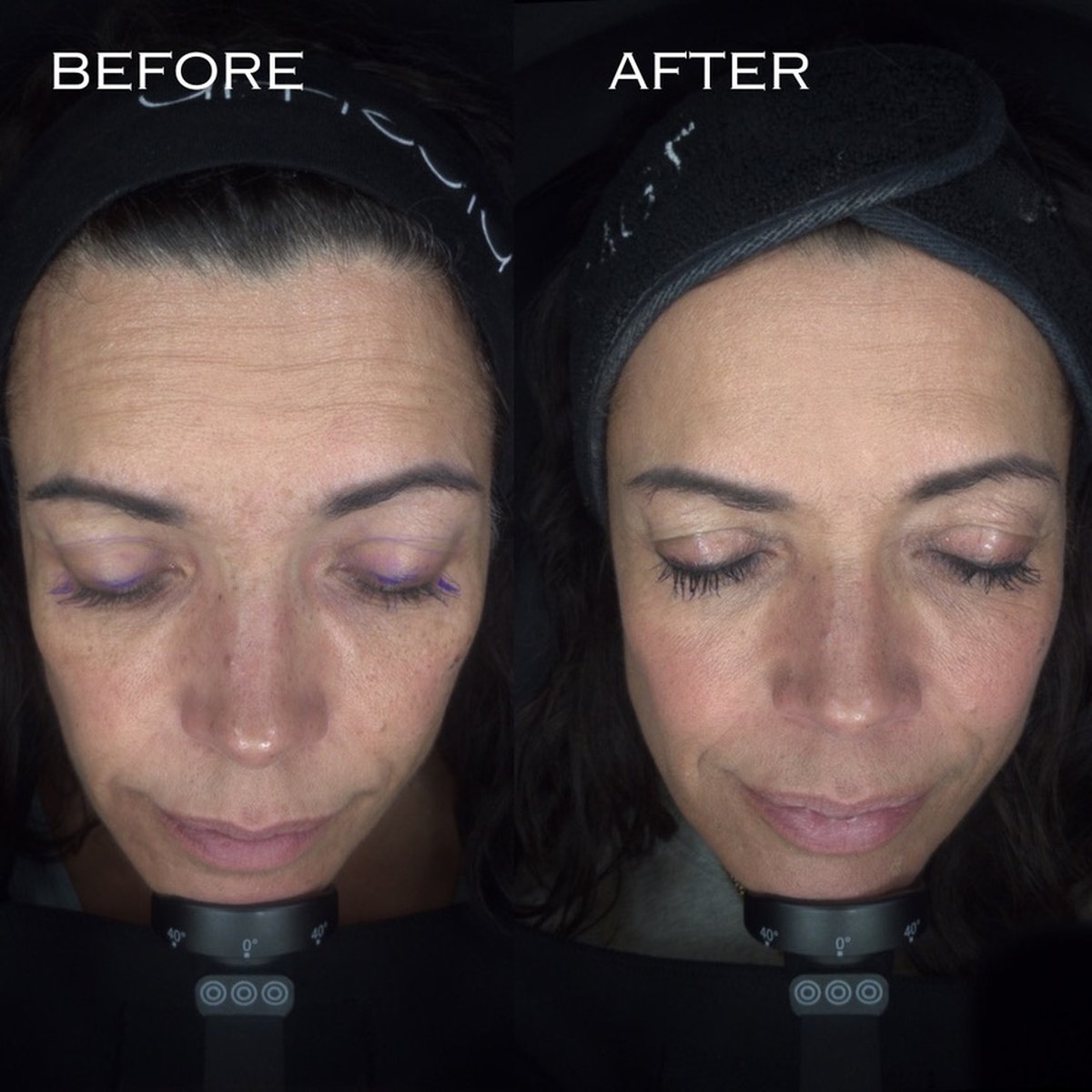
What is MOXI®?
MOXI is a non-ablative fractional laser made by Sciton. It uses a 1927 nanometre wavelength.
Non-ablative means the treatment creates controlled thermal injury without removing a continuous sheet of skin. The surface is therefore not fully stripped in the way it can be with an ablative resurfacing laser.
Fractional means the energy is delivered in thousands of microscopic treatment zones, leaving intervening skin untreated. Those untreated bridges support healing.
The 1927 nm wavelength is strongly absorbed by water and is useful for relatively superficial skin renewal. MOXI is usually used for early or moderate changes in tone and texture rather than the deeper remodelling expected from HALO® TRIBRID™ or deeper Erbium resurfacing.

You may see MOXI described as a "baby laser", "prejuvenation" or a lunchtime treatment. Those phrases are easy to remember, but they can minimise what is actually happening. This is a medical laser treatment. It still requires correct patient selection, eye protection, preparation, aftercare and a realistic discussion about recovery and risk.
How does MOXI® work?
MOXI’s 1927 nm laser energy is absorbed by water within the skin. As the roller handpiece moves across the treatment area, it delivers an array of microscopic thermal zones. These controlled zones trigger a wound-healing response while untreated skin between them helps the area recover.
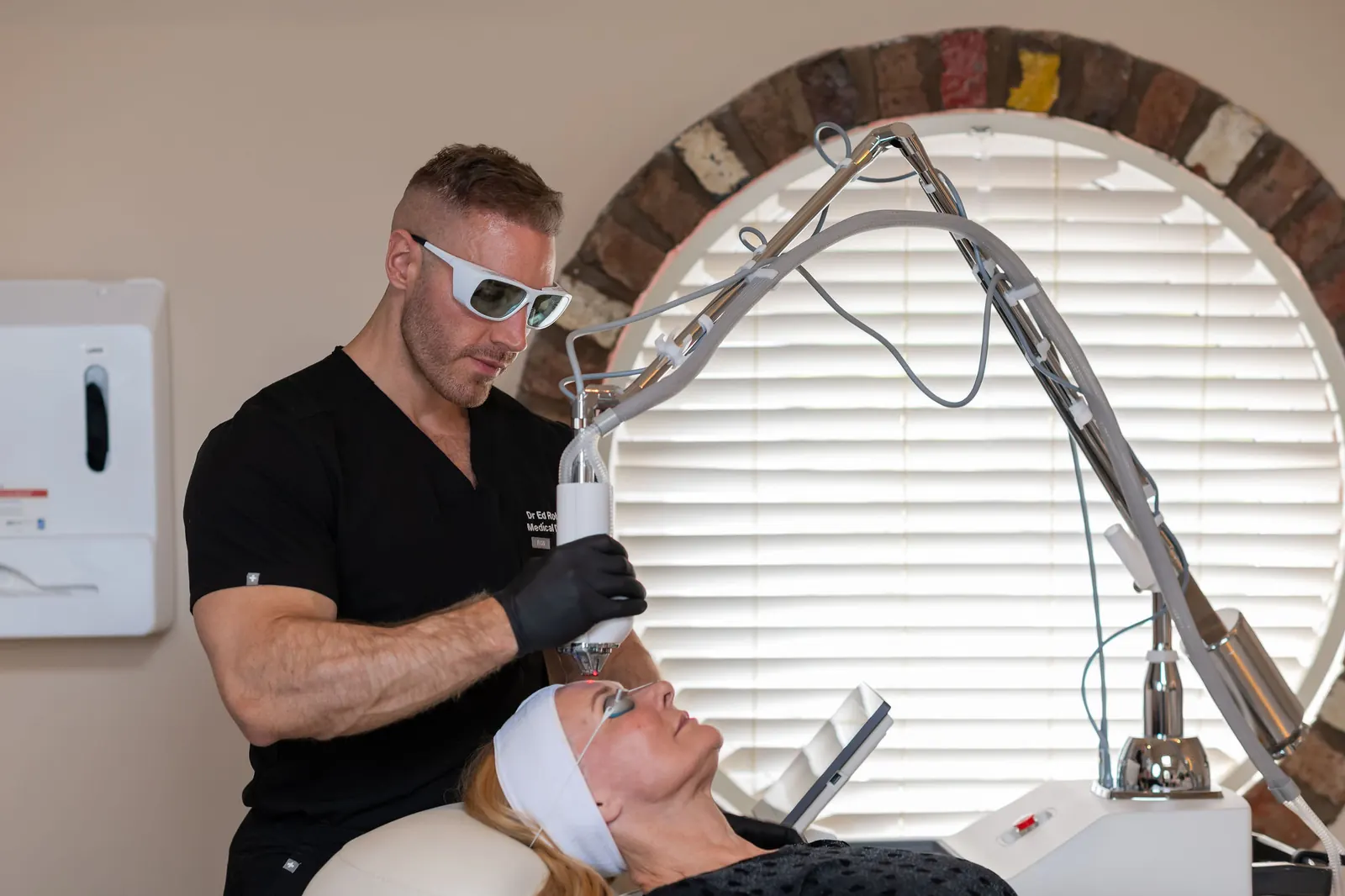
What happens during recovery and how settings are chosen
What happens at the surface
In the first few days, the skin may develop tiny dark dots and a dry, bronzed or sandpaper-like texture. These are often referred to as MENDs: microscopic epidermal necrotic debris. The name sounds dramatic, but it describes the minute columns of treated epidermal material that move towards the surface and shed as the skin renews.
Do not scrub or pick them away. Forced exfoliation can prolong irritation and increase the chance of post-inflammatory pigmentation. The roughness softens as the material is naturally released.
What happens beneath the surface
The controlled thermal response stimulates repair and remodelling. Over time, this can improve the way light reflects from the skin, so it looks clearer and more even. There may also be a gradual improvement in fine texture and early lines.
MOXI does not create the depth of injury used for significant scar remodelling or deep wrinkles. That is part of its appeal for patients seeking a more manageable recovery, but it is also an important limit.
How the treatment is adjusted
MOXI is not one fixed treatment. Energy, density, number of passes and total coverage can be adjusted to the area, skin type, concern and recovery you can manage. A lighter session may be used for gradual maintenance; a more assertive setting may produce more visible bronzing and roughness.
More energy is not automatically better. The correct endpoint is the one that balances the intended benefit with the biology of your skin and an acceptable risk profile.
What are MENDs?
MENDs stands for microscopic epidermal necrotic debris. They are tiny columns of treated material that move towards the surface after fractional laser treatment. To the eye and touch they can appear as fine dark speckles, bronzing or a sandpaper texture.
They are part of the expected healing process. Moisturising can make the skin feel more comfortable, but scrubs, exfoliating acids, cleansing brushes and picking should be avoided. Allow the skin to release the debris in its own time.

What concerns can MOXI® improve?
MOXI does not replace volume, lift meaningful laxity or reposition tissue. It is not a treatment for prominent jowls or a surgical alternative.
It is also not designed to remove deep acne scars, marked textural irregularity, deep perioral lines or advanced photoageing in one gentle session. A more intensive fractional or ablative resurfacing option may be needed for those concerns, with a correspondingly longer recovery and different risk profile.
MOXI is not primarily a vascular treatment. If the dominant concern is facial redness, rosacea or visible vessels, BBL® HEROic™ or a dedicated vascular laser may make more sense.
No laser prevents future ageing or ultraviolet damage. Results can be maintained, but the skin continues to change.
MOXI can help improve patchy superficial pigment and early photodamage. Its fractional 1927 nm wavelength is particularly useful where the overall tone looks mottled rather than where there is one isolated, sharply defined sun spot.
Read more about pigmentation melasma and sun spotsWhen roughness, accumulated surface pigment and early sun damage make the skin look flat or tired, fractional renewal can create a fresher and more reflective surface.
Read more about dullness and reduced skin radianceMOXI may soften mild roughness and very early fine lines. It is not designed to erase deep wrinkles. If texture change is more established, we may discuss HALO® TRIBRID™, Profractional Erbium, deep Erbium resurfacing, microneedling or a combined plan.
Read more about uneven skin texture and roughnessMOXI may help superficial post-acne colour change and subtle texture. It is not usually the first choice for deep ice-pick, boxcar or rolling scars. Acne-scar planning often combines modalities because scar type and depth vary across the same face.
Read more about acne scars and marks after acneSome patients use MOXI as part of a long-term skin-quality plan because they prefer incremental change and shorter recovery. Maintenance is optional, not an obligation, and should sit alongside sun protection and a manageable skincare routine.
Read more about BBL HEROic and MOXIA gentle fractional laser designed to refresh skin texture and tone with limited downtime.
Read more about crow’s feet and lines around the eyesA gentle fractional laser designed to refresh skin texture and tone with limited downtime.
Read more about lines and wrinklesA gentle fractional laser for neck skin texture and tone with limited downtime.
Read more about horizontal neck lines and crepey neck skinMOXI® may be considered where broader photoageing or texture is relevant.
Read more about visible pores and congestionA gentle fractional laser designed to refresh skin texture and tone with limited downtime.
Read more about lines around the lips



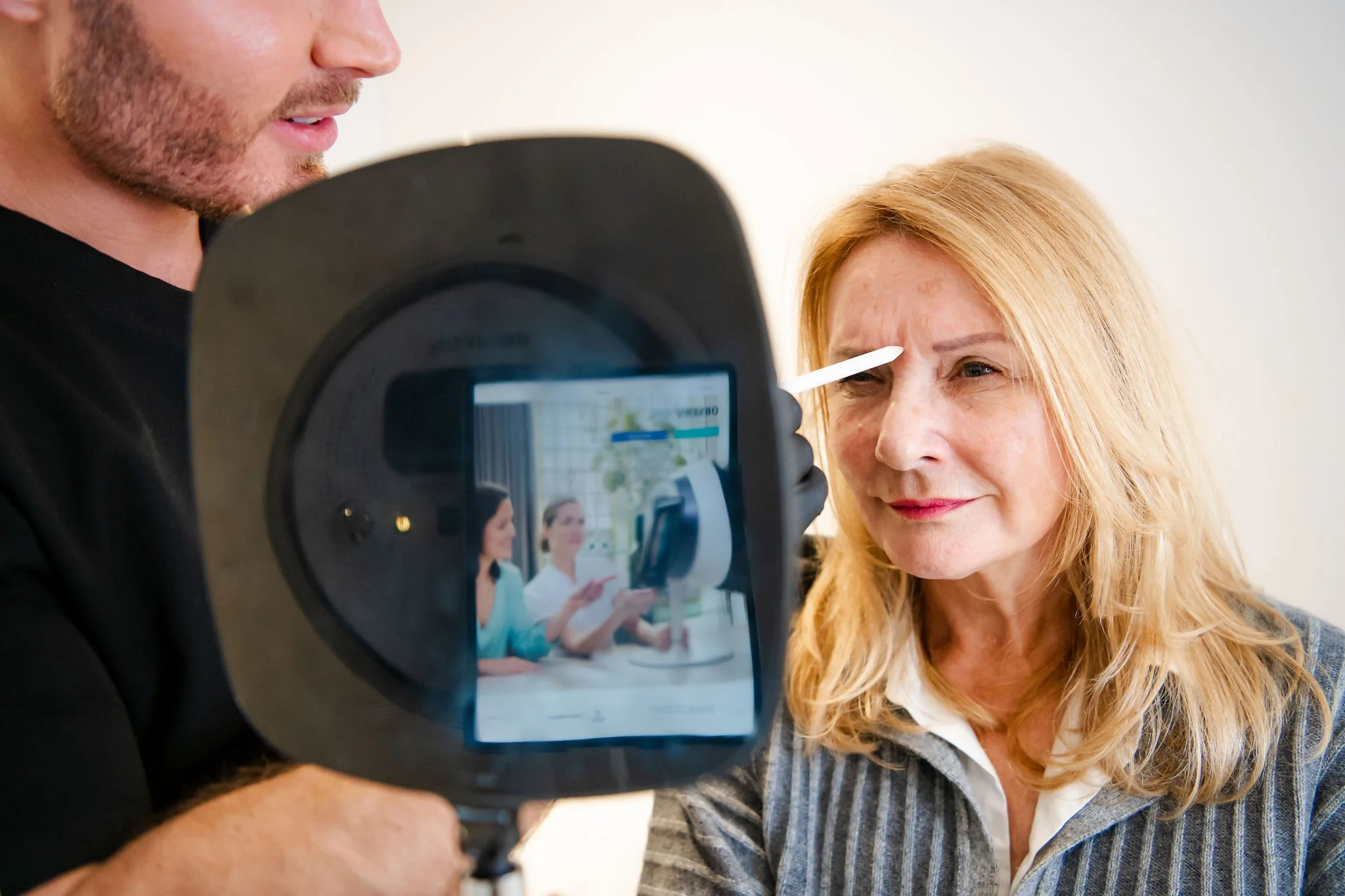


Which areas can be treated?
MOXI® can be considered for the full face or facial zones, the neck and décolletage, the backs of the hands, the arms and shoulders, and areas of the back, legs or body.
Healing can be slower away from the face, particularly on the lower legs. Larger areas also affect treatment time, comfort and aftercare. We assess the proposed area rather than assuming the same settings and recovery apply everywhere.
Is MOXI® suitable for me?
MOXI may suit adults with early sun damage, uneven tone, mild textural change or a preference for gradual improvement with a relatively manageable recovery. Suitability still depends on diagnosis, current skin condition, medical history and the likelihood of pigment change.
Please tell us about:
- Recent sun exposure, sunburn, sunbeds or fake tan
- Your natural skin tone and any current tan
- Melasma or a history of post-inflammatory pigmentation
- Previous darkening or lightening after treatment or injury
- Active acne, eczema, psoriasis, dermatitis or infection in the area
- A history of cold sores
- Keloid or abnormal scarring
- Photosensitising medicines, supplements and topical treatments
- Isotretinoin or other recent prescription acne treatment
- Recent laser, peel, microneedling, surgery or injectable treatment
- Immunosuppression, poorly controlled medical conditions or impaired healing
- Pregnancy, trying to conceive or breastfeeding
- Upcoming holidays, significant events or unavoidable outdoor exposure
Do not stop prescribed medication without advice. If a medicine, medical condition or active skin problem changes the risk, we may seek further information or postpone treatment.
MOXI is sometimes discussed for melasma because the 1927 nm wavelength targets superficial pigment and can be used conservatively. That does not make it a universal or permanent solution. Melasma can relapse and may worsen after inflammation. Diagnosis, preparation, energy selection, heat management, sun protection and maintenance all matter. In some patients, topical or medical management is preferable.
Published clinical experience includes a range of Fitzpatrick skin types, and MOXI can sometimes be used where other resurfacing treatments would carry greater pigment risk. However, "suitable for all skin types" is too broad as an individual promise. Skin tone, current tan, pigment history, diagnosis and settings still determine safety. Conservative treatment or a different option may be recommended.
A tan is a sign of recent ultraviolet exposure and altered pigment activity. Even though MOXI targets water rather than melanin directly, inflammation in recently tanned or sun-exposed skin can make recovery and pigment response less predictable. We may postpone treatment.
A test area may be helpful where pigment response is uncertain. It can inform planning but cannot guarantee that a full-face or higher-density treatment will be complication-free.
How should I prepare for treatment?
Your written instructions will be tailored to you. Common preparation includes:
- Avoid deliberate tanning, sunbeds and significant unprotected sun exposure.
- Keep fake tan away from the area for the timeframe advised.
- Tell us about every prescribed medicine, supplement and topical product. Do not stop prescribed treatment without medical advice.
- Follow the clinic’s schedule for pausing retinoids, acids, exfoliants, bleaching agents and other irritating actives.
- Tell us if you develop a cold sore, infection, rash, broken skin or sunburn.
- Avoid waxing, depilatory creams or other irritating procedures close to treatment if advised.
- Plan for several days of visible roughness and bronzing, not simply the first day of redness.
- Schedule around travel and events. Strong sun exposure immediately after treatment is not sensible.
- Arrive with clean skin where possible.
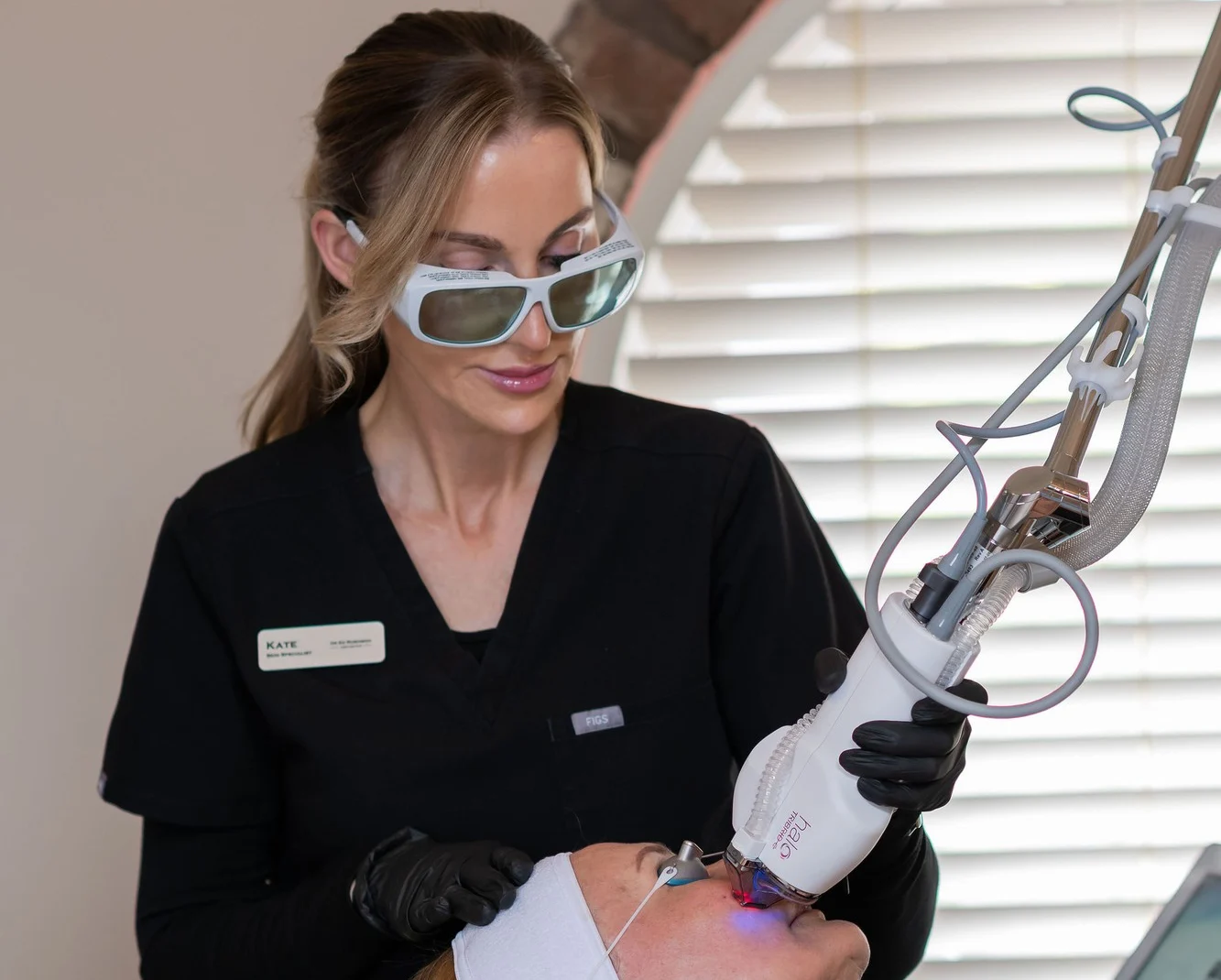
What happens at the appointment?
Your visit follows four clear stages, and preparation and numbing make the full visit longer than the laser time itself.
We check your health, medicines, recent sun exposure and any procedures since consultation. The concern and area are examined again, baseline photographs are taken with your consent, and we confirm the setting and expected recovery.
The skin is cleansed. Topical anaesthetic is usually applied for the agreed period, then removed thoroughly. You wear wavelength-appropriate eye protection throughout.
The MOXI roller is passed over the skin in a controlled pattern while coverage and energy delivery are monitored. You may feel building warmth or prickling. Active laser time for many facial treatments is roughly 8-15 minutes.
The skin is checked and cooling or suitable post-procedure products are applied. We explain the expected progression from redness to bronzing and roughness, and you leave with written aftercare and contact details.
How do you make MOXI® more comfortable?
Most patients experience heat and prickling that builds during each pass. Topical anaesthetic usually makes this easier to tolerate, while cooling, pacing and clear communication help throughout. Sensitivity can vary around the hairline, upper lip and bony areas.
We do not assume that a lighter laser must be painless. Tell us if the sensation becomes unexpectedly sharp or if one area feels significantly hotter than the rest. The practitioner can pause, cool the skin and reassess.
Nerve blocks are not routinely required for MOXI. Ultrasound guidance is not relevant to the delivery of this laser treatment. We reserve additional comfort and imaging techniques for procedures where they add a genuine clinical benefit.
What does recovery look like?
Immediately afterwards
Redness, warmth and a sunburn-like sensation; mild swelling is possible
First 24 hours
Heat generally settles; redness may remain and swelling can be more visible the next morning
Days 2-3
Tiny dark dots, bronzing, dryness and a rough sandpaper feel become more noticeable
Following days
The microscopic treated material sheds gradually; makeup can catch on the texture even when permitted
Around days 5-7
Many facial treatments feel significantly smoother, although timing varies and body areas can take longer
Following weeks
Tone and brightness can continue to improve; texture is reviewed once inflammation has fully settled
You may not need formal time away from work, but that is different from having no visible recovery. If your work involves close-up meetings, filming or makeup under strong lighting, allow for the dry, bronzed phase. Treatment intensity and your individual response can lengthen the timetable.
Aftercare
Your specific written instructions take priority. Typical advice includes:
- Use a gentle cleanser and the recommended bland moisturiser or recovery product.
- Do not scrub, pick, peel or use cleansing devices on the rough surface.
- Pause retinoids, acids, exfoliants, vitamin C products that sting and other strong actives until advised to restart.
- Avoid hot baths, saunas, steam rooms and strenuous exercise while heat and inflammation are settling.
- Avoid swimming while the barrier is irritated.
- Use shade and a hat. Apply broad-spectrum sunscreen once the skin surface is suitable, as directed.
- Avoid waxing, depilatory products and additional procedures until the skin has recovered.
- Do not apply makeup over blistered, open or markedly inflamed skin. Ask us when you may restart it.
When should I contact the clinic?
Contact the clinic promptly if pain, redness or swelling is increasing rather than settling, or if you develop blistering, open skin, spreading redness, discharge, fever, a cold-sore eruption or an unexpected pigment change. Seek urgent medical help for an emergency rather than waiting for a routine WhatsApp reply.
Existing patients with a concern after treatment: WhatsApp our complications line on 07868 809125. New enquiries: call or WhatsApp 0161 399 0631.
What are the risks?
Expected, temporary effects include redness, heat, tenderness, mild swelling, bronzing, dryness, MENDs and flaking. These are not complications when they follow the anticipated pattern and improve.
Less common problems include:
- A burn, blister or excessive crusting
- Prolonged redness, swelling or sensitivity
- Post-inflammatory hyperpigmentation or hypopigmentation
- Infection
- Reactivation of herpes simplex or cold sores
- Acne or dermatitis flare
- A line of demarcation between treated and untreated skin
- Persistent textural change or scarring
- Eye injury if proper protection is not used
- A limited result, recurrence or the need for a different treatment
Fractional, non-ablative treatment generally has a different risk and recovery profile from deep ablative resurfacing, but risk is not zero. Correct patient selection, eye protection, suitable settings, hygiene, measured endpoints and aftercare all matter.
When will I see results?
Once the MENDs have shed, many patients notice a clearer, brighter surface. Pigment and tone may continue to improve over the next few weeks, while any collagen-related textural change is more gradual.
A course of approximately three to four treatments, often spaced four to six weeks apart, is commonly recommended when the aim is cumulative improvement. A single treatment may still be useful before deciding whether a course is worthwhile. We tailor the plan and review the response rather than committing every patient to the same number.
Maintenance treatment can be considered, but it does not replace daily sun protection or appropriate skincare. Pigment may recur, and biological ageing continues. We aim for a meaningful improvement, not a promise of permanently flawless skin.
How does MOXI® compare with other treatments?
You do not need to choose the treatment before seeing us. The consultation should help you understand the options.
| Option | What we would discuss |
|---|---|
| MOXI® | Early sun damage, patchy tone and mild texture. 1927 nm non-ablative fractional treatment with several days of bronzing or roughness. |
| BBL® HEROic™ | Brown pigment, facial redness and small vessels. Broadband light; colour-focused rather than fractional resurfacing. |
| BBL® HEROic™ + MOXI® | Pigment or redness and mild texture both matter. Combined recovery; each component needs a defined purpose. |
| HALO® TRIBRID™ | More established sun damage, texture or scarring. Three independently controlled wavelengths, including an ablative component; generally more intensive. |
| Erbium laser resurfacing | A range from superficial peel to deeper lines and scars. Ablative removal can be tailored from NanoPeel to deep resurfacing, with increasing downtime. |
| SkinPen® microneedling | Texture and scarring where a mechanical collagen-induction approach is preferred. No laser energy; different strengths, limits and recovery. |
The best choice is based on the concern and depth, not on which treatment name is currently most visible online.
Explore BBL® HEROic™ · Explore HALO® TRIBRID™ · Explore Erbium laser resurfacing · Explore SkinPen® microneedling
Complementary Treatments
BBL HEROic addresses colour. HALO TRIBRID provides more intensive hybrid resurfacing. Erbium covers NanoPeel through deep ablative pathways. SkinPen offers mechanical collagen induction for texture.

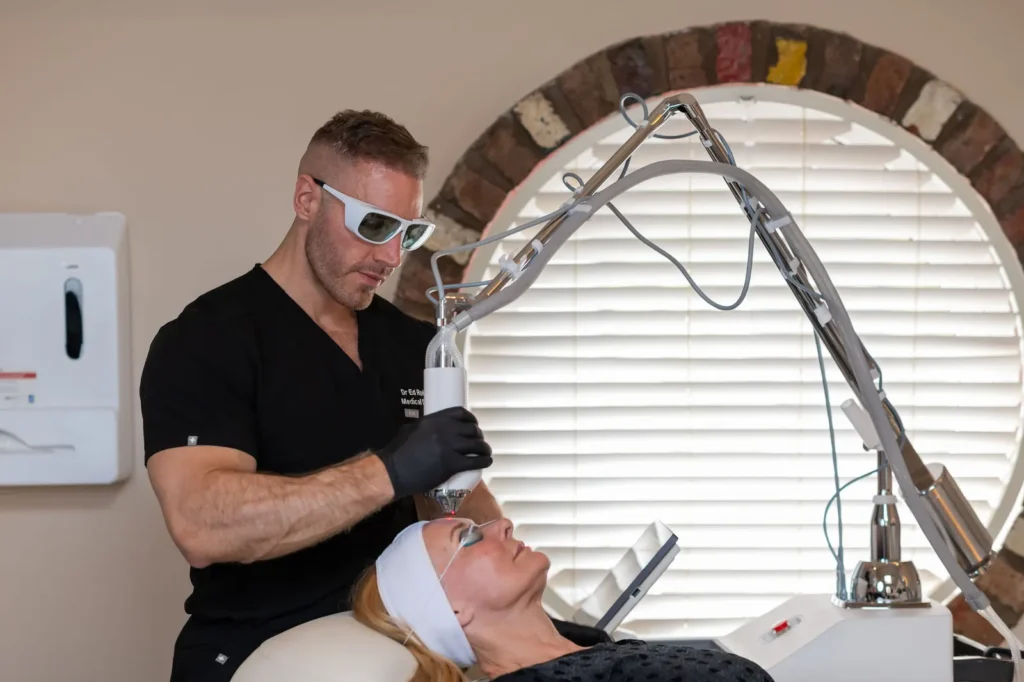
Erbium laser resurfacing
From NanoPeel to deep ablative resurfacing.
Explore Erbium laser resurfacing
Skincare before and after MOXI®
Good skincare supports the barrier and helps protect the result. It should not compete with the healing process.
Before treatment
We may simplify an overactive routine and, in pigment-prone patients, recommend preparation.
Immediately afterwards
The focus is gentle cleansing, moisturising, avoiding irritants and careful sun protection. Adding strong actives while the skin is hot and rough does not make the laser work faster.
Once recovery is complete
A long-term routine may include broad-spectrum sunscreen, antioxidants, retinoids, pigment-regulating ingredients or prescription treatment, depending on your concern and tolerance. We explain the order and timing so the routine stays practical.
We can review products you already use and suggest suitable options from our skincare shop. Buying products from us is not a condition of treatment.
Medical thinking
Why choose Dr Ed Robinson Clinics?
We match treatment depth to the concern.
We match treatment depth to the concern
MOXI is an excellent tool within its intended range. We will also tell you when a gentler treatment is unlikely to reach a deep scar or line, or when BBL HEROic is a better match for vascular redness.
We explain visible recovery honestly
Redness may be short-lived, but bronzing and roughness often last longer. Your plan includes the days when the skin feels dry and makeup may sit differently, not just the first 24 hours.
Settings are individualised
Skin tone, pigmentation history, treatment area, previous procedures and the improvement you want all influence energy and density. We review the response before increasing intensity or repeating treatment.
Comfort and safety are built into the plan
Topical anaesthetic, cooling, eye protection, infection screening and clear aftercare are treated as clinical essentials. Dr Ed’s anaesthetic background informs the clinic’s wider approach to comfort, while nerve blocks and ultrasound are reserved for treatments where they are genuinely appropriate.
A regulated clinical environment
Our registered Hale service is rated Good overall and Outstanding in leadership by the Care Quality Commission. Read the CQC inspection report, published on 14 August 2026 under the clinic’s former registered name, Dr Ed Robinson Aesthetics.
MOXI® prices
| Plan | Specialist | Doctor |
|---|---|---|
| Single MOXI® treatment | £550 | £800 |
| Course of three | £1,500 | £2,200 |
| Consultation | £50 | £100 |
Prices shown reflect the clinic’s current published information. The consultation fee is separate and is not deducted from treatment. The proposed area, number of sessions and total fee are confirmed at consultation.
What our patients say
Rated 5.0 on Google from 478 reviews
Frequently asked questions
What type of laser is MOXI®?
MOXI is a 1927 nm non-ablative fractional diode laser. It creates microscopic thermal treatment zones while leaving intervening skin untreated. It does not remove a continuous layer of the skin surface.
Is MOXI a "baby laser"?
That is a marketing shorthand rather than a technical description. MOXI is often gentler than deeper resurfacing, but it still causes a controlled fractional injury and visible recovery. It should be assessed and performed as a medical laser treatment.
Does MOXI hurt?
Most patients feel heat and prickling, often increasing with successive passes. Topical anaesthetic and cooling make treatment more manageable. Sensitivity differs by area and treatment intensity, so we check comfort throughout.
How much downtime should I expect?
Redness and warmth are often most noticeable on the day of treatment. The skin then commonly develops bronzing and a rough sandpaper texture for several days. Many people continue working, but close-up appearance and makeup texture may be affected.
What are the tiny dark dots after MOXI?
They are usually MENDs: microscopic treated material moving towards the skin surface. They can look bronzed or finely speckled and feel rough. Let them shed naturally rather than exfoliating them away.
Will my skin peel?
MOXI does not usually create the sheet-like peeling associated with some chemical peels or deep ablative lasers. You may see fine flaking as the rough, bronzed layer sheds. The exact response depends on settings and skin.
When will I see results?
Many patients notice brighter, smoother-looking skin once the rough surface has shed, often within one to two weeks. Tone and mild textural change can continue to evolve over the following weeks.
How many treatments will I need?
A course of three to four sessions, often four to six weeks apart, is common for cumulative change. Some patients choose one treatment and review. The number should be based on your concern, response, budget and tolerance for recovery.
Does MOXI treat pigmentation and sun damage?
It can improve superficial pigmentation, mottled tone and early photodamage. It is not a diagnostic tool for suspicious lesions, and it does not guarantee permanent clearance. A discrete brown spot may sometimes suit BBL HEROic better.
Can MOXI treat melasma?
It may be considered for suitable patients as one part of a wider pigment plan. Melasma can relapse or worsen with inflammation, so conservative settings, preparation and long-term maintenance are important. In some cases we recommend skincare or medical treatment instead.
Is MOXI suitable for darker skin?
It can be considered across a range of skin tones, but suitability is never automatic. Natural skin tone, tan, pigment history, diagnosis, energy and density affect risk. We may use conservative settings, preparation or another approach.
Can I have MOXI during summer?
Possibly, if you can avoid tanning and protect the skin carefully. The important factors are current sun exposure, upcoming travel and the ability to follow aftercare, not simply the month of the year.
Does MOXI treat fine lines?
It may soften early fine lines as part of an overall improvement in skin quality. It is not intended to remove deep wrinkles or create the remodelling expected from a more intensive resurfacing procedure.
Will MOXI help acne scars?
It may improve very superficial textural change or post-acne pigment, but deeper rolling, boxcar and ice-pick scars usually need a more targeted or intensive plan. We assess scar type and depth before recommending a device.
Does MOXI shrink pores?
Pores cannot be permanently opened or closed. By improving surface texture and oil balance in patients, MOXI may make pores look less prominent, but it cannot remove them.
What is the difference between MOXI® and BBL® HEROic™?
MOXI is a fractional laser used mainly for early pigment, tone and texture. BBL HEROic is broadband light used mainly for brown pigment, redness and superficial vessels. They can be used separately or together when both treatment targets are present.
Can MOXI and BBL HEROic be performed together?
Yes, in a suitable patient. BBL HEROic addresses colour while MOXI adds fractional renewal. The combined session may create more visible recovery and should be planned around skin type, pigment history and schedule.
How is MOXI different from HALO® TRIBRID™?
MOXI uses one non-ablative 1927 nm wavelength and is generally used for earlier change and shorter recovery. HALO TRIBRID combines three independently controlled wavelengths, including an ablative component, and can address a broader range of depth with a more intensive recovery profile.
When can I wear makeup?
Sciton’s patient information commonly allows makeup after approximately 24 hours, but your skin response takes priority. Do not cover blistered, broken or markedly inflamed skin. Makeup may also sit unevenly while the surface remains rough.
Can I combine MOXI with injectables?
It may be possible within a staged plan. Timing depends on the areas treated, the injectable and any recent procedure. Tell us about treatment elsewhere so we can decide the safest order.
Can I have MOXI while pregnant or breastfeeding?
Elective laser treatment is generally postponed during pregnancy. Breastfeeding requires an individual discussion about treatment, topical anaesthetic, medicines and skin changes. Please disclose pregnancy, plans to conceive or breastfeeding.
Is MOXI available at the London clinic?
No. MOXI is available at our Hale clinic. We can help patients travelling from London plan consultation, treatment, visible recovery and follow-up.
Before you decide
Learn more before deciding
A little more understanding, when you want it.
Watch and learn
How much does the sun age your skin?
How daily sun exposure adds to lines, uneven tone and pigmentation.
On the journal
Read the skin and laser articles
Articles and notes from the clinic that help explain how treatments are planned and what to expect.
In the press
Explore Dr Ed’s media contributions
Press and media features exploring skin health, sun protection and clinic care.
In the press
More from Dr Ed
Related press articles from the clinic.
Business Cheshire
Dr Ed Robinson combines medical techniques and new technology to advance aesthetic treatments
How Dr Ed combines established medical techniques with new technology: regional nerve blocks, ultrasound, and AI to support clinic care.
Gathered
Are you secretly damaging your skin? Experts want you to make this change when applying SPF
Common SPF mistakes, including storing sunscreen in hot cars and applying too little, with the two-finger rule for face and neck.
World Lifestyler
Sun Safety Over Social Media Myths: Why Anti-SPF Advice Puts Young People at Risk
Bylined article by Dr Ed on anti-SPF social media trends and why they put young people at risk.