


Treatments by Age: A Doctor’s Guide to Every Decade
Ageing is personal. Your genes, sun exposure, lifestyle and hormones all shape how your face and skin change, often more than the number on your birthday. In this guide we explain what tends to change in each decade and which treatments may help. Every plan at Dr Ed Robinson Clinics starts with a consultation, so we can understand what bothers you and check that a treatment is right for you.
Our care is doctor-led, non-surgical and for adults only, and we aim for subtle, natural-looking results. Treatments take place at our CQC-registered clinic in Hale, near Altrincham, Cheshire. Dr Ed Robinson consults at 104 Harley Street, London, on a regular Friday schedule, offering injectable treatments. Contact us to reserve an appointment.
Treatments in Your 20s: Skincare and Prevention
What changes in your 20s?
Your skin is at its strongest in your twenties, with plenty of collagen and quick healing. Even so, this is when breakouts, early sun damage and uneven tone often show up. Late nights, stress and sunbathing all leave a mark, so the habits you build now really do pay off later.
What can help?
Start with the basics. A Skin Analysis shows us what is going on beneath the surface, from pigmentation and redness to pores and texture. From there we can build a medical-grade skincare routine that suits you, with a daily SPF at its heart. Chemical peels and medical facials refresh tired, congested skin with little downtime. If you have acne or redness, ClearSilk and BBL HEROic can help calm things down, and SkinPen microneedling can soften early acne scarring once your skin has settled.
Wondering about anti-wrinkle injections? Most people in their twenties don’t need them yet. If lines only appear when you move your face, good skincare is usually enough. We are always happy to talk it through honestly at a consultation.
Related concerns: acne, acne scarring and large pores.
Treatments we often recommend in your 20s
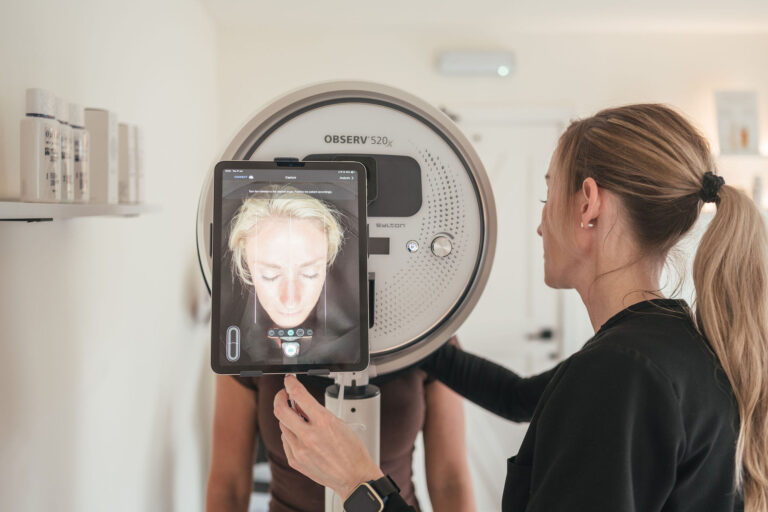
A detailed scan of pigmentation, redness, pores and texture, so your skincare and treatments are planned around your skin.
Medical-grade skincare chosen to suit your skin after a consultation, with a daily SPF at its heart.
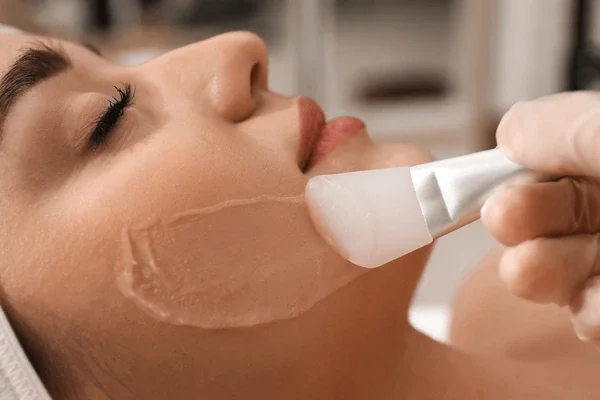
Peels that lift away dull, congested skin for a brighter, smoother complexion, with little downtime.
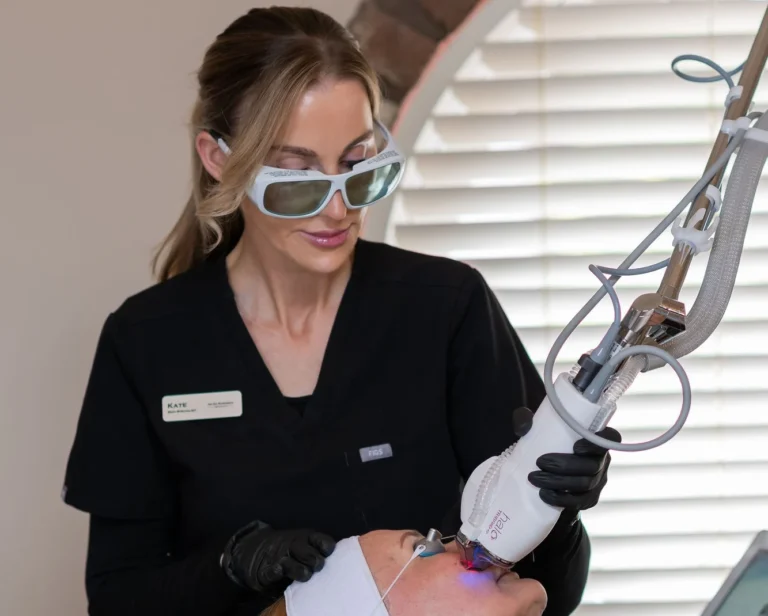
A gentle laser facial for redness, flushing and texture, with no downtime, so you can get straight back to your day.
Treatments in Your 30s: Fine Lines, Glow and Skincare
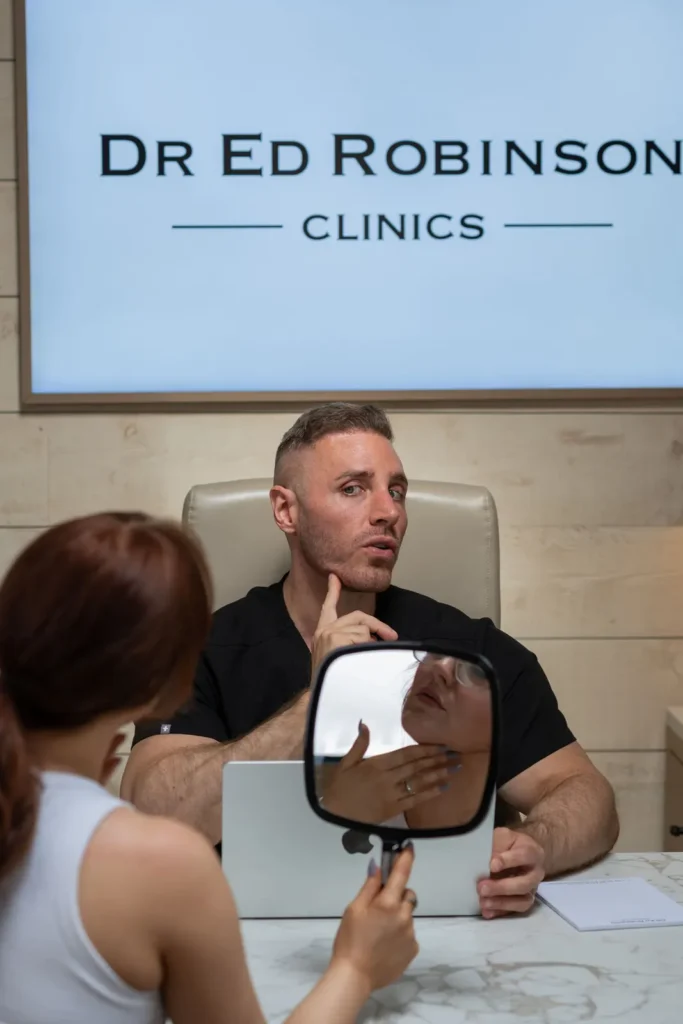
What changes in your 30s?
In your thirties collagen starts to dip, slowly but surely. You might notice fine lines around your eyes or across your forehead, skin that looks a little duller, or sun spots from years gone by. Busy lives, broken sleep and stress can show too, and your skin may take longer to bounce back.
What can help?
This is often when people first ask about anti-wrinkle injections. We assess how your muscles move and, if treatment is right for you, keep it light and natural, so you still look like you. Skin boosters such as Profhilo add hydration and bounce, and polynucleotides are lovely for thin, crepey skin under the eyes. MOXI laser gently brightens tone and refines texture with minimal downtime, while The Cheshire Glow or AquaGold can give your skin a lift before a big event.
If you are noticing early hollowing, a subtle touch of cheek filler or tear trough filler may be an option. Keep up your skincare routine, as it does a lot of the work.
Related concerns: lines and wrinkles, crow’s feet, dull skin and pigmentation.
Treatments we often recommend in your 30s
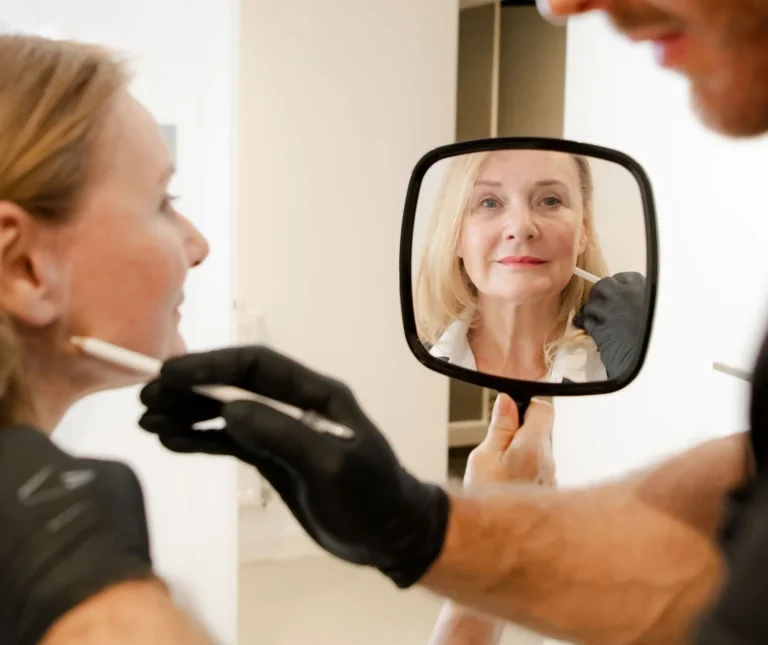
Softens expression lines on the forehead, frown and around the eyes, planned at a consultation for a natural result.
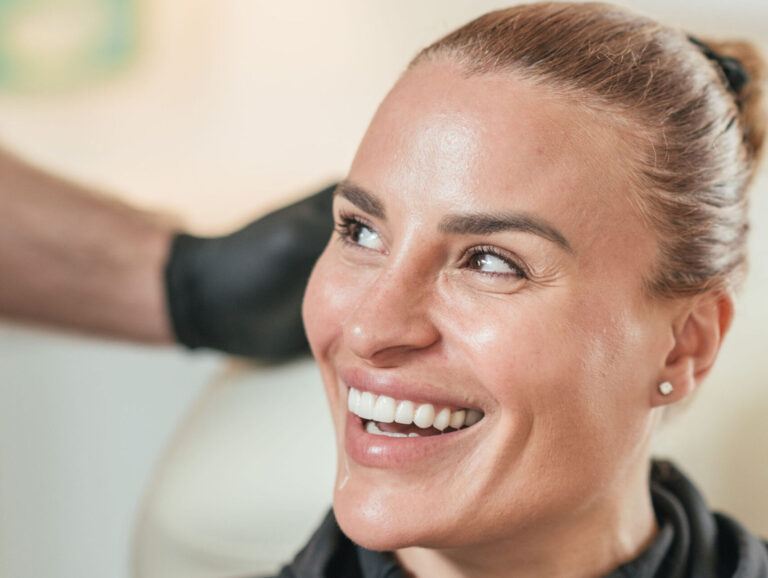
A skin booster that improves hydration, bounce and crepey texture across the face, neck and hands.
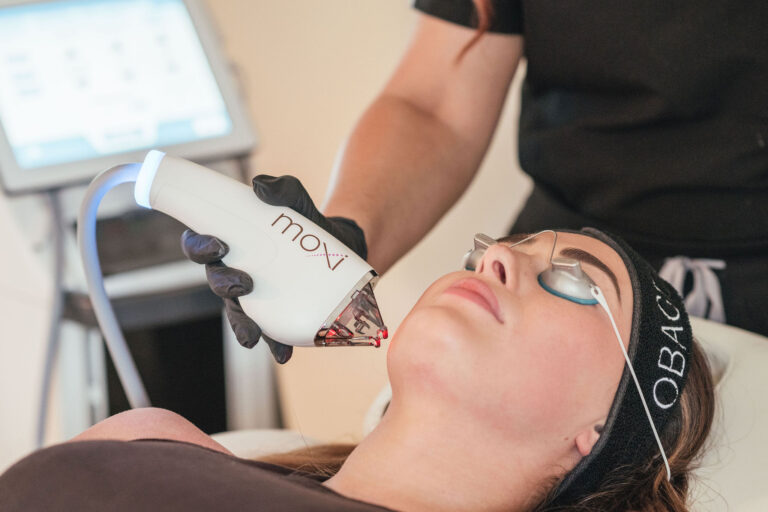
A gentle fractional laser that brightens tone, refines texture and helps with early sun damage, with minimal downtime.
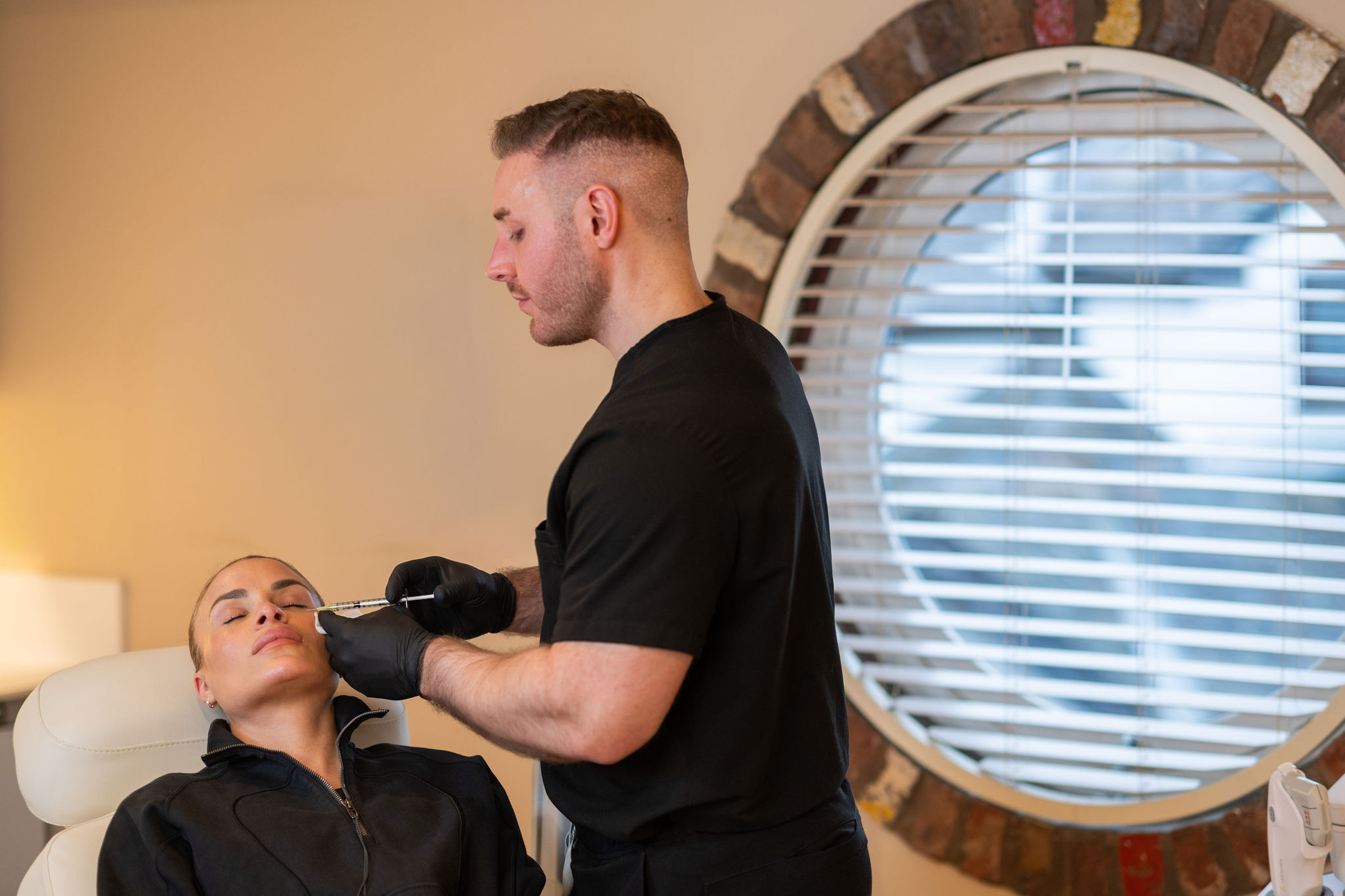
Subtle support for the midface to restore lost volume and soften a tired look, always in proportion with your features.
Treatments in Your 40s: Jowls, Volume Loss and Sun Damage
What changes in your 40s?
Your forties are often when you first notice your face changing shape. Your cheeks lose a little volume, your jawline softens and early jowls appear. Lines around the nose and mouth deepen, pores look larger and sun damage shows as brown spots and redness. Many women also notice their skin changing around perimenopause, becoming drier, thinner and less firm.
What can help?
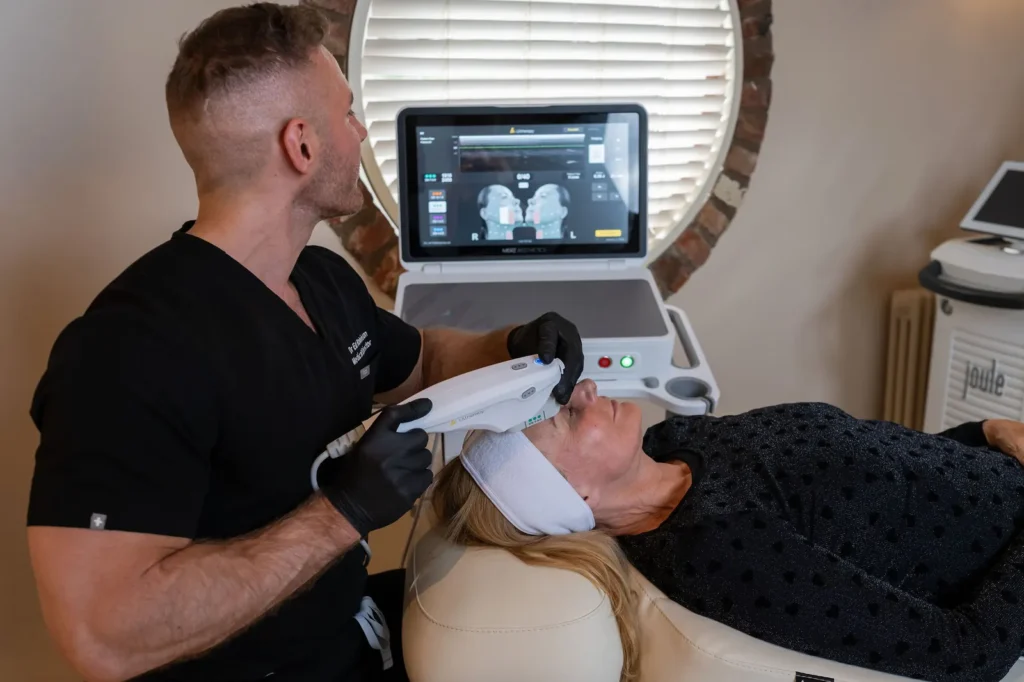
Morpheus8 combines microneedling with radiofrequency to tighten and remodel skin, and it is also how we treat a softer, less defined area under the chin. Ultherapy Prime uses ultrasound to lift and firm without surgery. Radiesse supports collagen and structure, and jawline filler, chin filler or profile balancing can restore definition. For sun damage and redness, BBL HEROic or BBL HERO and MOXI can even out your tone.
If your skin is changing with menopause, we focus on cosmetic treatments for the skin itself, such as skin boosters, Sunekos and medical-grade skincare.
Related concerns: jowls, sagging skin and loss of cheekbones.
Treatments we often recommend in your 40s
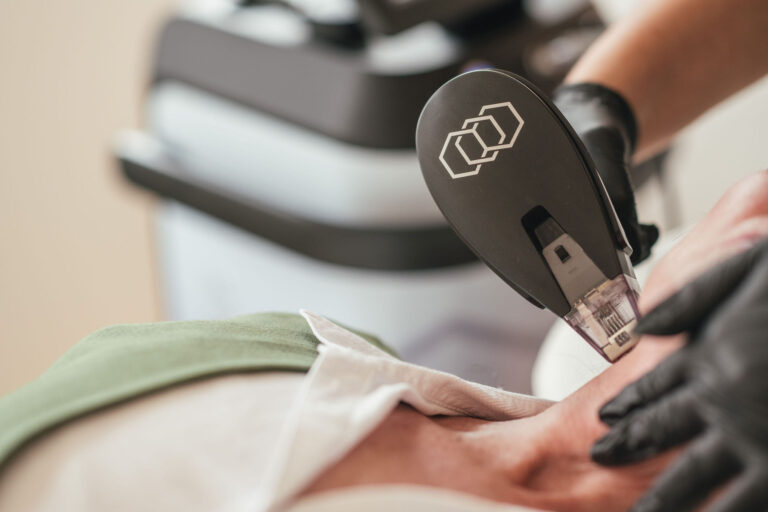
Microneedling with radiofrequency to tighten and remodel skin, including softer areas under the chin and along the jaw.
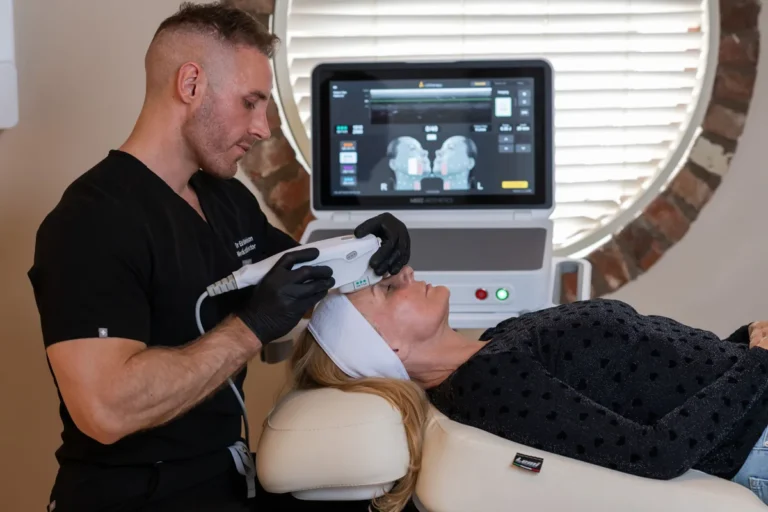
Ultrasound that lifts and firms the brow, jawline, chin and neck, without needles or surgery.
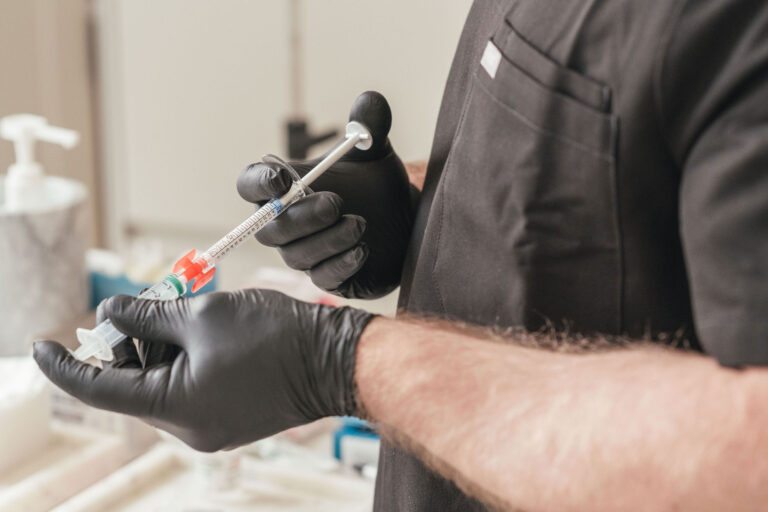
Supports structure and stimulates your own collagen, helping with laxity along the jawline and cheeks.
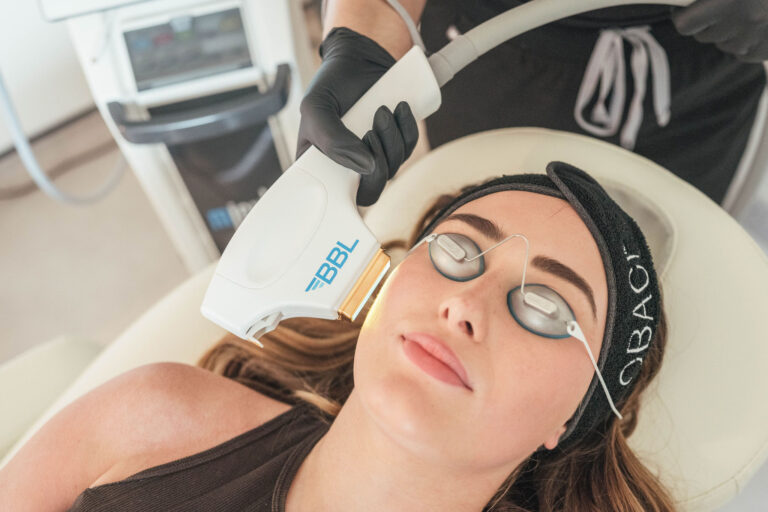
Broadband light that targets sun spots, redness and uneven tone for clearer, more even-looking skin.
Treatments in Your 50s: Sagging Skin, Texture and Tone
What changes in your 50s?
In your fifties skin becomes thinner and drier, and changes in bone and fat alter the shape of your face. Lines deepen, your neck and hands start to show their age, and thread veins and sun spots become more noticeable. Many people tell us they feel younger than they look, and that is often where we can help.
What can help?
HALO TRIBRID resurfaces tone, texture and pores in one treatment, and can be paired with BBL in a single session. For deeper lines and texture, Erbium laser resurfacing offers more renewal, with downtime we plan around your diary. Ultherapy Prime and Morpheus8 help with sagging skin, and Radiesse can restore structure or improve skin quality.
Neck rejuvenation and hand rejuvenation treat areas that often give your age away before your face does. ClearV and ClearSilk target thread veins and redness, while PRP and polynucleotides support your skin’s own repair. Results build gradually, so we usually plan treatments in stages across the year.
Related concerns: sagging skin, thread veins, turkey neck and pigmentation and age spots.
Treatments we often recommend in your 50s
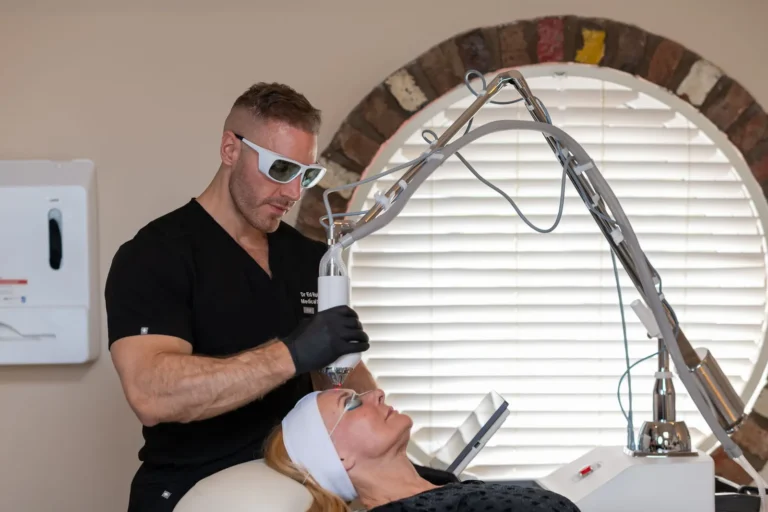
Three laser wavelengths in one treatment to improve tone, texture, pores and fine lines.
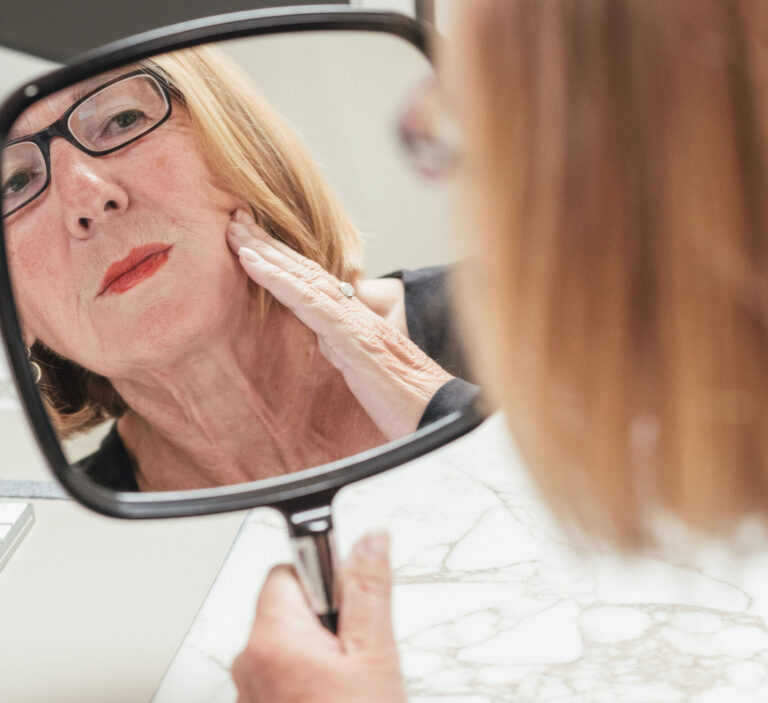
A personalised plan to tighten and refresh the neck, where age often shows before the face.
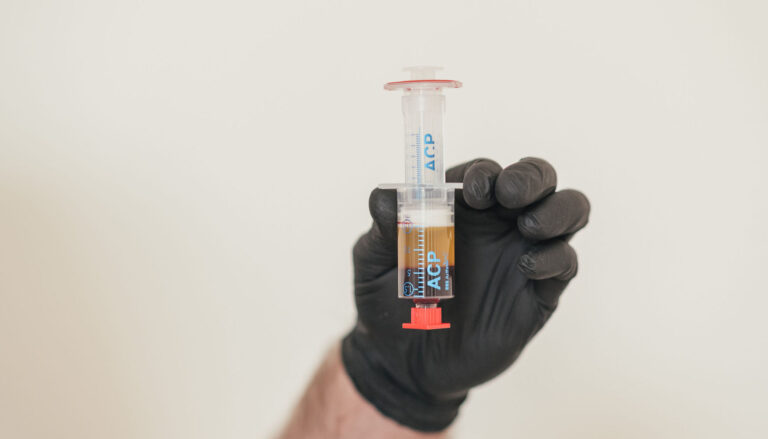
Uses growth factors from your own blood to support skin repair, texture and glow.
Treatments in Your 60s and Beyond: Is It Ever Too Late?
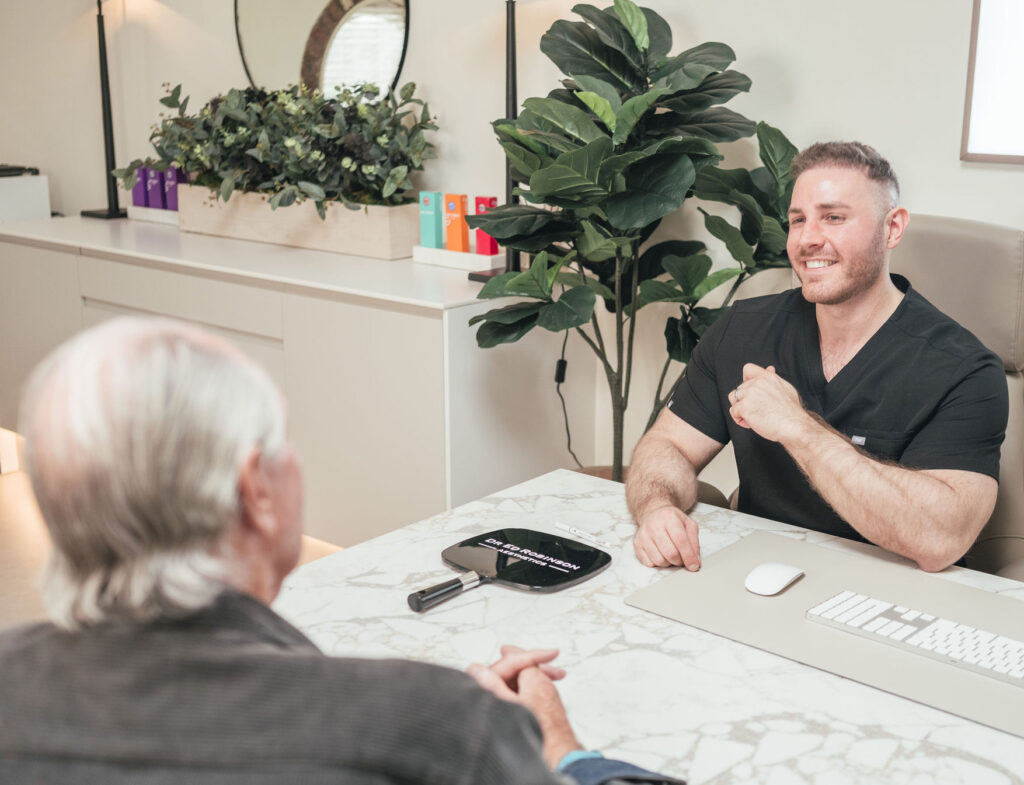
What changes in your 60s and beyond?
Later in life your skin is thinner, heals more slowly and has less natural lift. Pigmentation, broken veins and benign skin lesions, such as skin tags and seborrhoeic keratoses, become more common.
What can help?
It is never too late to look after your skin. We take a gentle, realistic approach, choosing treatments and settings that suit thinner skin and the recovery time you are happy with. Ultherapy Prime lifts without needles, while Profhilo and Sunekos improve hydration and fine, crepey lines. Laser resurfacing such as HALO TRIBRID or Erbium can still work well at carefully chosen settings.
Benign skin lesions can be removed with cryotherapy or the Erbium laser after a doctor’s assessment. Your neck and hands can be treated too, often alongside your face. We will always be honest about what each treatment can and cannot do, and aim for results that still look like you.
Related concerns: sagging skin, pigmentation and age spots and skin lesions.
Treatments we often recommend in your 60s and beyond
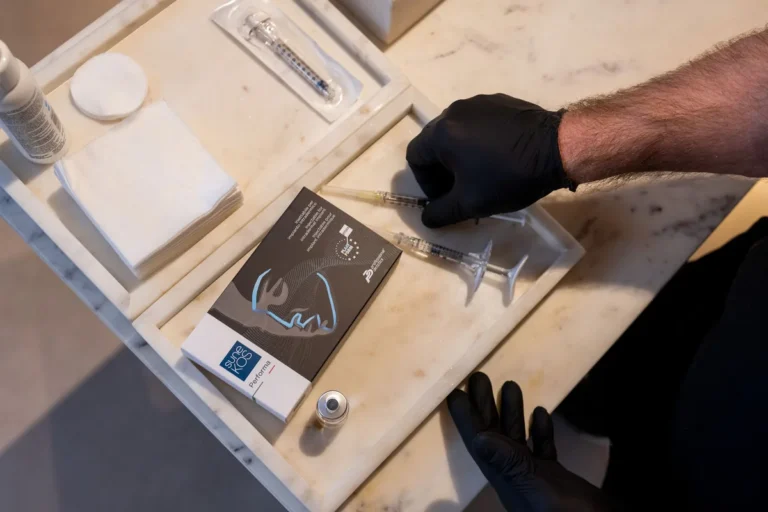
Amino acids and hyaluronic acid to improve skin quality and soften fine, crepey lines.
Ultrasound that lifts and firms the brow, jawline, chin and neck, without needles or surgery.
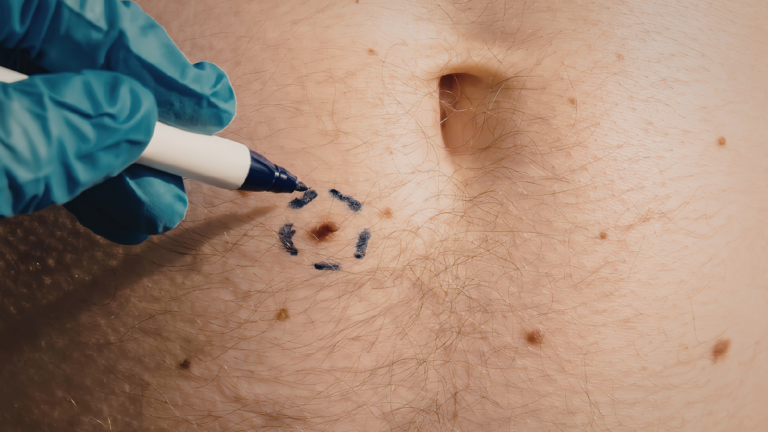
Doctor-assessed removal of skin tags, seborrhoeic keratoses and similar benign growths with cryotherapy or the Erbium laser.
How we keep treatments comfortable
Comfort is discussed at your consultation. With a background in NHS anaesthesia, Dr Ed can use local anaesthetic nerve blocks to make selected treatments more comfortable, alongside topical numbing and cooling where suitable.
Frequently Asked Questions
What age should you start anti-wrinkle injections?
There is no perfect age. Many people start in their late twenties or thirties, once lines begin to linger when the face is at rest. If lines only show when you move, good skincare and SPF are usually enough for now. By law, anti-wrinkle injections and dermal fillers cannot be given for cosmetic reasons to anyone under 18 in England, and we treat adults only. Every treatment starts with a face-to-face consultation with a prescriber.
Is preventative anti-wrinkle treatment worth it in your 20s?
For most people in their twenties, it is not needed yet. We would rather you invest in a Skin Analysis, medical-grade skincare and a daily SPF, and come back when lines start to stay put. If you have strong, expressive muscles and lines that are already settling, we can talk through whether a light treatment makes sense for you.
What skincare should I use in my 30s?
Keep it simple and consistent: a gentle cleanser, a vitamin C serum in the morning, retinol at night if your skin tolerates it, and a broad-spectrum SPF every day. A Skin Analysis helps us tailor medical-grade skincare to your skin, so you are not paying for products you don’t need.
What age do jowls start, and what helps without surgery?
Jowls often start to appear in the late thirties or forties, as skin loosens and the cheeks lose volume. Genetics, sun damage and weight changes play a part too. Depending on your assessment, we may suggest Morpheus8, Ultherapy Prime, Radiesse or jawline filler, often in combination. All of our treatments are non-surgical.
Does menopause make your skin sag?
It can. Changes around menopause affect collagen, so many women notice drier, thinner and less firm skin, sometimes quite quickly. We offer cosmetic treatments for the skin itself, such as skin boosters, polynucleotides, laser resurfacing and medical-grade skincare, planned around how your skin is changing.
What are the non-surgical options for sagging skin in your 50s?
Ultherapy Prime lifts and tightens using ultrasound, Morpheus8 combines microneedling with radiofrequency, and Radiesse helps rebuild structure and collagen. For crepey texture and sun damage, laser resurfacing such as HALO TRIBRID or Erbium can make a real difference. We often combine treatments over a few months for a natural result.
Is 60 too old for fillers or anti-wrinkle injections?
No. Many of our patients start treatment in their sixties or later. We use a lighter touch, choosing products, doses and settings that suit thinner skin, and we often focus on skin quality first with treatments such as Profhilo, Sunekos or Ultherapy Prime. We will always tell you honestly what is achievable.
How often should you have anti-wrinkle injections?
Results usually last around three to four months, so many people come back two to three times a year. Some find their results last a little longer over time. We review you at each visit, and we would rather you let treatment wear off than top up too often.
Do I need a consultation before treatment?
Yes. Every new patient starts with a consultation, so we can understand your concerns, check that a treatment is suitable and talk you through results, downtime and cost. Our prices page lists current costs.
Where are treatments carried out?
Our clinic is in Hale, near Altrincham, Cheshire, and all laser and energy-based treatments take place there. Dr Ed Robinson consults at 104 Harley Street, London, on a regular Friday schedule, offering injectable treatments. Contact us to reserve an appointment.
Ready to Plan Your Treatment?
Start with a consultation, or with a Skin Analysis if you’re not sure where to begin. We’ll help you choose what’s right for your skin, whatever your age.