


Low libido and intimacy concerns
Assessed by our doctors in Hale, Cheshire
Low libido and intimacy concerns · Hale, Cheshire
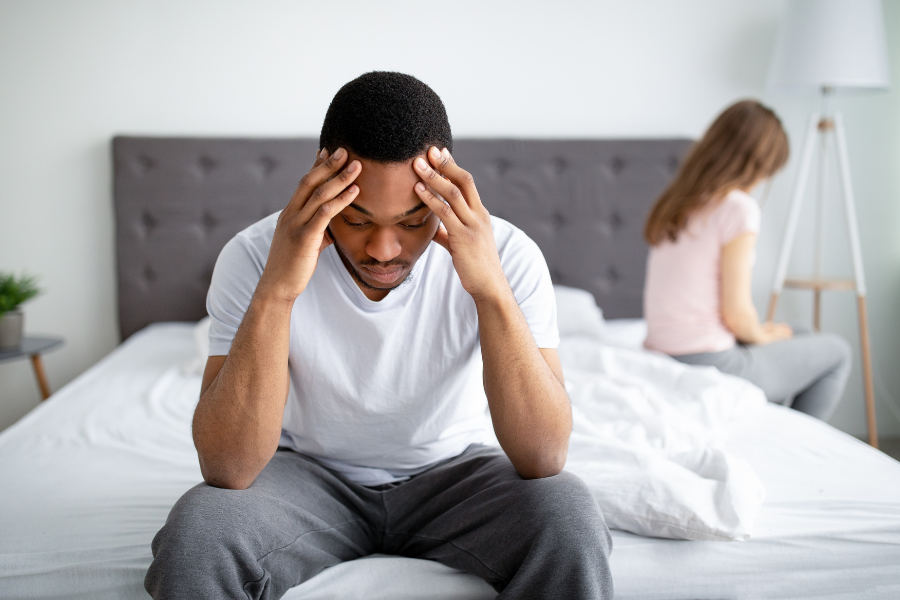
A change in sexual desire or function can affect confidence, relationships and quality of life. It is also common and often has more than one cause. We provide a confidential medical conversation that looks beyond a single hormone result. The aim is to understand the change, identify anything that needs broader healthcare and discuss options that are appropriate for you.
Hale clinic · Consultation first
You do not need to choose a treatment before contacting us. We start by understanding the cause, then explain whether a clinic pathway, observation or a referral is the more sensible next step.
At a glance
How we think about low libido and intimacy concerns
 Assessment focus
We ask what has changed, when it began and whether the difficulty relates to desire, arousal, erection, ejaculation, orgasm, pain or a combination.
 Possible pathways
Testosterone assessment and TRT information, GP, sexual-medicine or relevant specialist care, Psychosexual therapy or relationship support, Fertility-aware planning
 Our approach
Understand the cause first; recommend treatment only when the likely benefit justifies the risk, recovery and cost.
 Medical care first
Chest pain, severe breathlessness or collapse during sexual activity needs urgent medical care.
What this concern can involve
Desire is influenced by mood, relationship context, sleep, stress, medication, alcohol, pain and general health. Erectile difficulty is not the same as low desire, although they may coexist. Diabetes, cardiovascular disease, neurological conditions, pelvic treatment and hormonal disorders can affect function. In men, symptoms alone do not diagnose testosterone deficiency; guidelines require compatible symptoms and consistently low morning testosterone measurements, interpreted alongside the clinical picture. In women, menopause, pain, pelvic-floor problems and medication may be relevant and often need a different service pathway.
Hormones
Low testosterone is one possible cause among several.
Health
Heart health, diabetes and medicines can affect desire and function.

Wellbeing
Stress, mood and relationships matter.
Fertility
Plans for children change which options are suitable.
How we assess it
We ask what has changed, when it began and whether the difficulty relates to desire, arousal, erection, ejaculation, orgasm, pain or a combination. We review medication, sleep, mood, fertility plans, alcohol and medical risk factors. Examination and blood tests are guided by the history rather than sold as a generic hormone panel. Erectile dysfunction can be an early marker of vascular disease, so blood pressure and cardiometabolic risk may matter as much as a sexual-health treatment.
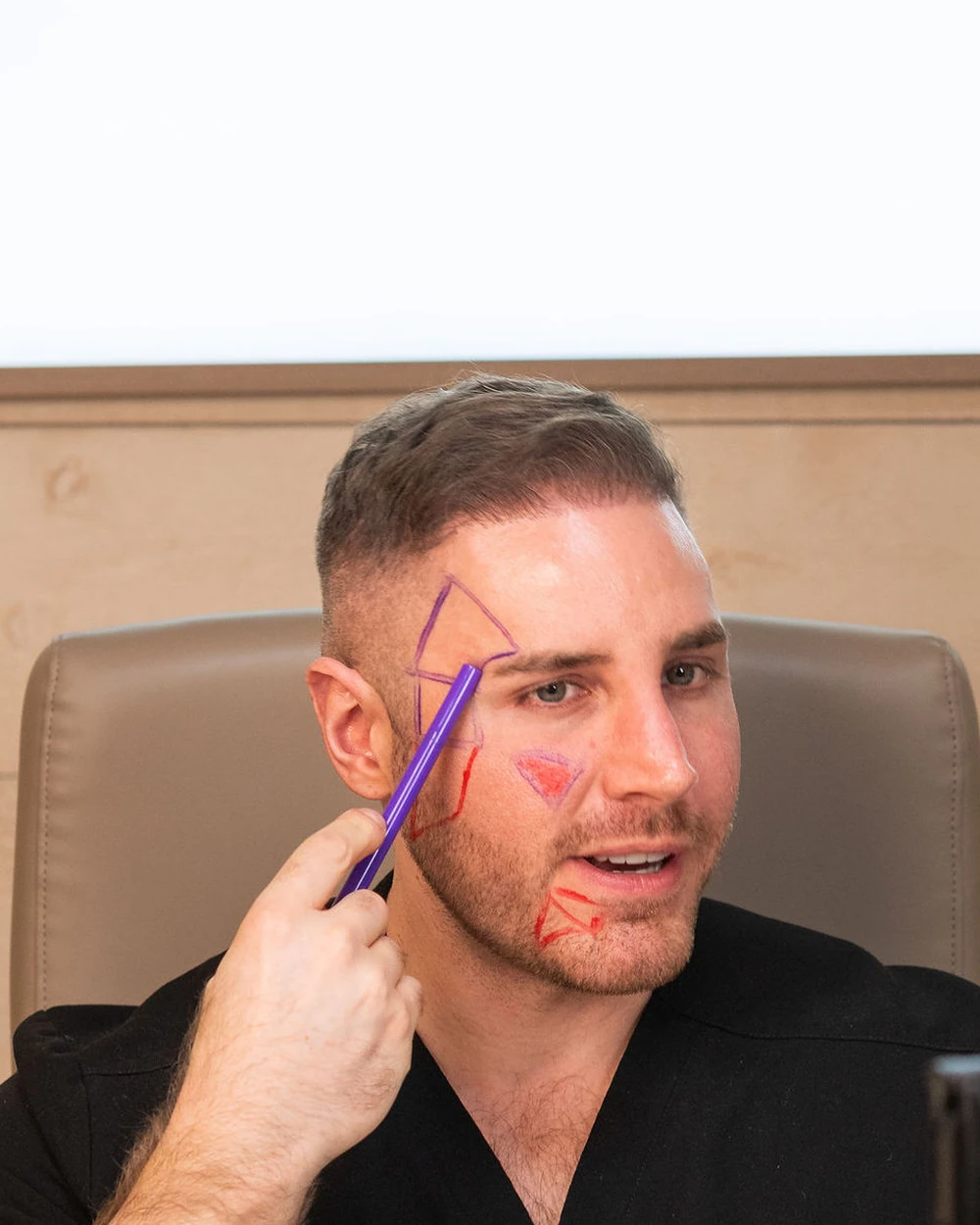
Assessment pathway
A useful consultation for low libido follows a clear sequence rather than jumping to a product.
History
Symptoms, health, medicines, relationships and fertility plans.
Examination and tests
Examination and properly timed blood tests where appropriate.
Cause
Hormonal, medical, psychological or a mix.
Plan
Treatment, coordinated care, referral or support.
Your consultation
You do not need to choose a treatment before contacting us. Tell us what you have noticed, when it changed, what you have already tried and what a worthwhile result would look like to you. Male hormone care and testosterone assessment are led by Dr Ed Robinson. We consider your health, medication, previous tests and treatment, and what you would like to change.
A useful consultation may lead to treatment, a staged plan, a period of observation or a referral. We would rather explain that an option is unlikely to help than place you into a course simply because the treatment is available.
Options we may discuss
Low libido has more than one cause, so there is no single fix. The right option depends on what we find at consultation.
What treatment may realistically achieve
The outcome depends on the cause. Correcting a documented deficiency may improve relevant symptoms for some patients, but response is not guaranteed and monitoring is required. Improving sleep, medication, mood or vascular health may be more important than a hormone intervention. We do not promise a particular sexual response, and we do not use a single low or borderline result to justify indefinite treatment.
Related concerns we may also discuss
Low libido often sits alongside other related findings. These related concerns help frame the wider assessment.

Medical thinking
Why choose Dr Ed Robinson Clinics
Our approach is medical, conservative and consultation-led. We look at how the concern fits the whole face, skin or health picture rather than treating an isolated photograph.
Cause before product
Desire and function have more than one cause. We look beyond a single hormone result before recommending a pathway.
Led by Dr Ed Robinson
Male hormone care and testosterone assessment are led by Dr Ed Robinson, from the first consultation and blood tests to monitoring.
Honest next steps
A useful consultation may lead to treatment, observation or a referral. We would rather explain when an option is unlikely to help.
CQC Good · Hale registered service
The registered Hale service is rated Good overall and Outstanding in leadership by the CQC. That rating relates to the registered service at Hale; it should not be read as separate CQC approval of every cosmetic procedure.
Read the CQC report for the registered Hale service · Meet Dr Ed
5.0 Google rating from 478 reviews
“He takes a genuinely individualised approach rather than offering a one size fits all treatment plan.”
“Be aware, he’ll be brutally honest if it’s not right for you and that’s why I cannot recommend him highly enough.”
What you can do at home
Prioritise sleep, regular activity, reduced smoking and sensible alcohol intake, and take prescribed medication as directed. Do not buy testosterone, erectile-dysfunction drugs or “natural boosters” from unregulated sources. If a medicine seems linked to symptoms, speak to its prescriber rather than stopping it suddenly. Honest communication and reducing pressure around performance can also help while medical causes are assessed.
When to seek medical advice
Chest pain, severe breathlessness or collapse during sexual activity needs urgent medical care. A painful erection lasting more than four hours is an emergency. New neurological symptoms, testicular pain or swelling, or severe pelvic pain needs prompt assessment.
Related videos, articles and results
Further reading and clinic media that can help you understand low libido in context.

Frequently asked questions
Is low libido always caused by low testosterone
No. Hormones are only one part of desire, and low libido is not itself a diagnosis of testosterone deficiency.
What tests are needed before TRT
Testing is individual, but diagnosis generally requires symptoms plus consistently low testosterone measured on separate mornings, with further tests to clarify the cause and establish safe monitoring.
Can TRT affect fertility
Yes. External testosterone can suppress sperm production, sometimes profoundly. Fertility plans must be discussed before treatment.
Is erectile dysfunction the same as low libido
No. Desire can be normal when erections are difficult, and desire can be low despite normal erectile function. The distinction guides investigation and treatment.
Could my medication be contributing
Yes. Several medicines can affect desire, arousal or orgasm. Do not stop them without the prescriber; a medication review may identify safer adjustments.
Will you keep the consultation confidential
Medical confidentiality applies, subject to the usual legal and safeguarding limits. We aim to discuss sensitive concerns respectfully and without assumptions.
Can you guarantee TRT will restore my sex drive
No. Even with confirmed deficiency, response varies and other contributors may remain. Treatment requires defined goals, monitoring and reconsideration if there is no meaningful benefit.