


Home / Media / Anti-Wrinkle Injections / Botox Over 50: The Dos and Don'ts
0:27 • Published 17 Oct 2026 • Dr Ed Robinson
Botox Over 50: The Dos and Don'ts
The short answer
After 50, Botox (anti-wrinkle injections) works best when it supports the face rather than simply freezing lines. Areas that often help are the frown, a brow lift, the corners of the mouth, the neck bands and a lip flip. Two areas I usually avoid are the forehead, which can make brows heavy, and the masseters, which can worsen jowls.Founder and Medical Director • Last reviewed 18 October 2026
In brief
Key Takeaways
- 01Do consider the frown lines (glabella): softening the frown complex can also allow the inner brows to lift slightly.
- 02Do consider a brow lift: relaxing the muscles that pull the brows down lets the forehead lift them a little.
- 03Do consider the corners of the mouth (DAO) and neck bands (platysma): relaxing these downward-pulling muscles can give the lower face a subtle lift.
- 04Do consider a lip flip: it allows a little more upper lip to show without adding volume.
- 05Don't routinely treat the forehead (frontalis) or the masseters: in a mature face these can cause heavy brows and worsen jowls.
Dr Ed Robinson explains
The Detail
Many of my patients over 50 have had Botox (anti-wrinkle injections) for years, and one of the most useful things I can do is review whether their plan still suits the face they have now. As we age, the way our muscles behave changes, the face loses volume and support, and the skin becomes less firm. A plan that suited you at 35 may not suit you at 55, and occasionally it can work against you.
Treatment should always be tailored to the individual, but these are the principles I follow most often.
The dos.
Frown lines (the glabella). Treating the frown complex softens the lines between the brows, and careful placement can also allow the inner part of the brow to lift a little.
A brow lift. Some muscles pull the brows down and the forehead muscle lifts them. By relaxing the muscles that pull down and leaving the lifting muscle alone, we can achieve a subtle brow lift, which helps when the brows and upper eyelids start to feel hooded.
The corners of the mouth (DAO). The depressor anguli oris pulls the corners of the mouth downwards, which can make the face look sad or tired. Relaxing it softens that downward pull.
The neck bands (platysma). The platysma is a thin sheet of muscle in the neck that also pulls down along the jawline. Relaxing it can soften visible neck bands and, together with the DAO, give a subtle net lift to the lower face. Because the platysma also supports the neck, I always consider skin quality alongside it.
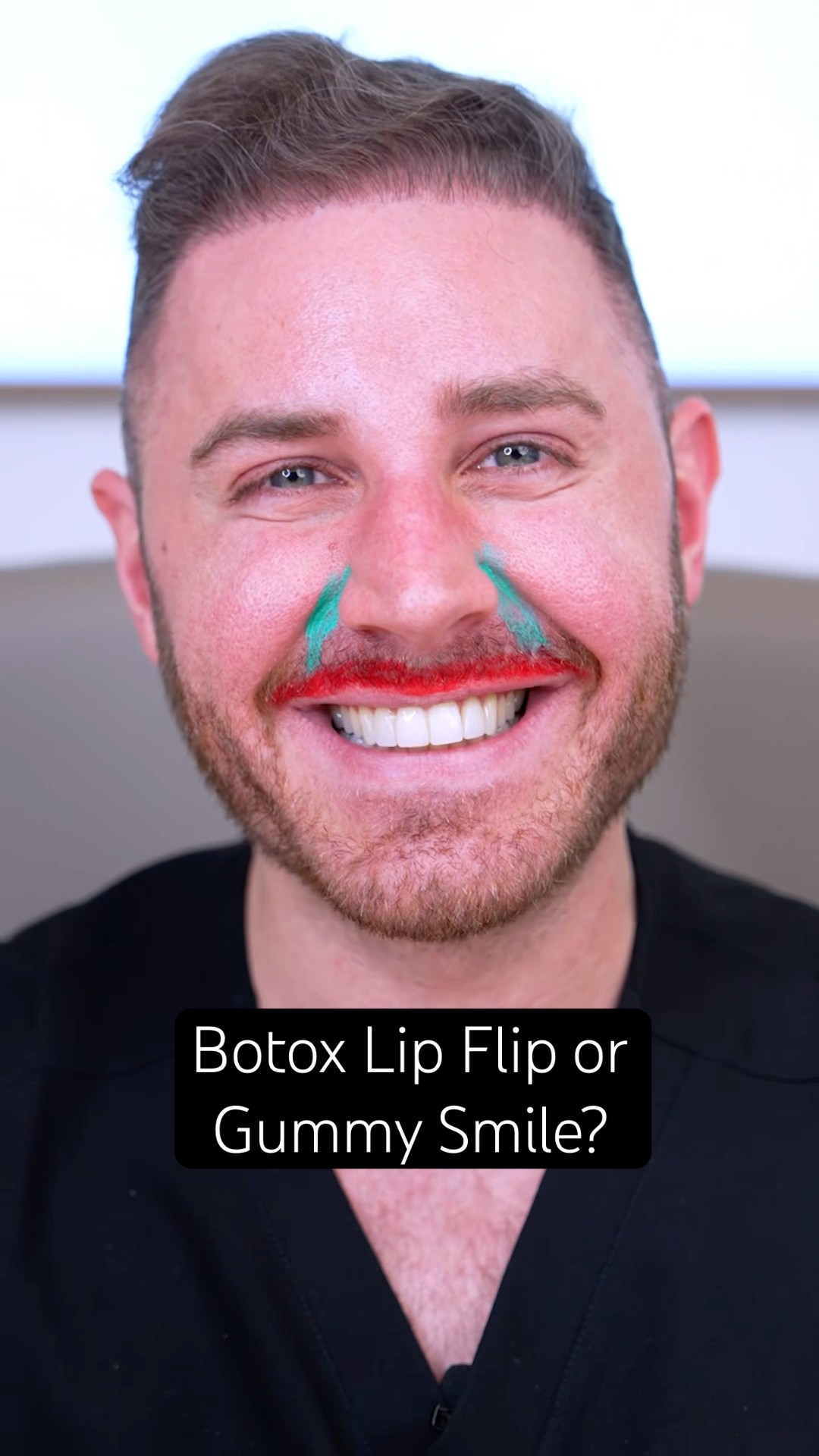
A lip flip. Relaxing the muscle around the mouth that tucks the upper lip under when you smile allows a little more lip to show, without adding any volume.
The don'ts.
The forehead (frontalis). The frontalis is the main muscle that lifts the brows. In a mature face, especially if there is extra skin in the upper eyelids, relaxing it can let the brows drop and leave them feeling heavy. This is why I often recommend a brow lift approach instead of simply treating the forehead lines.
The masseters. Treating the masseter muscle at the back of the jaw is very helpful for teeth grinding, but as we get older it can reduce the support at the back of the jaw, allowing tissues to move forwards and making jowls worse.
These are guidelines rather than fixed rules, and your own anatomy always comes first. Botox is also only one part of the picture: for many patients over 50, the most natural result comes from combining it with treatments that restore support and improve skin quality, which we can talk through at your consultation.
Questions
Frequently Asked Questions
Can I still have Botox over 50?
Yes, many people do. The plan simply needs to reflect how your face has changed, which is why an assessment always comes first.
Why might you advise against treating my forehead?
The forehead muscle lifts the brows. In a mature face, relaxing it can let the brows drop and feel heavy, so a brow lift approach is often a better option.
Is masseter treatment suitable over 50?
It can still help teeth grinding, but in an older face it can reduce support at the back of the jaw and make jowls more noticeable, so I consider it very carefully.
Keep watching
Related Videos



Have a Question About Treatment?
Talk it through with a doctor who will explain your anatomy and every option, with no pressure to proceed.
Book a Consultation