


Home / Media / Industry & Leadership / The “Visual Diet”: How Social Media Shapes the Face We Want
1:30 • Published 6 Oct 2026 • Dr Ed Robinson
The “Visual Diet”: How Social Media Shapes the Face We Want
The short answer
Your visual diet is everything you see regularly, online and in real life, and it quietly shapes what you think is normal. Algorithms show us polished, filtered, lineless faces again and again, which can make unrealistic results seem both desirable and achievable. Auditing your feed and remembering that cameras distort faces helps keep expectations healthy.Founder and Medical Director • Last reviewed 18 October 2026
In brief
Key Takeaways
- 01What we see repeatedly, online and in person, shapes what we consider normal.
- 02Social media algorithms keep showing us the same polished, filtered appearance.
- 03Lighting, angles, make-up and real-time filters can transform how a face looks on screen.
- 04The front-facing phone camera distorts features such as the nose and cheeks, so it is not a reliable guide for treatment.
- 05Sensible, subtle treatment can help when something bothers you, but so can cutting yourself some slack and auditing your feed.
Dr Ed Robinson explains
The Detail
One of the most common conversations I have with patients is about their visual diet. By that I mean the content we see on a regular basis, on social media and online, and even the people we spend time with. It all affects what we consider to be normal.
Social media algorithms are incredibly good at showing us what we want to see, and usually the same thing again and again. Many people regularly consume content of faces that are perfectly polished, contoured and filtered, with flawless skin and not a single line. Over time, that can make people feel they should intervene, and that those end points are desirable and realistic.
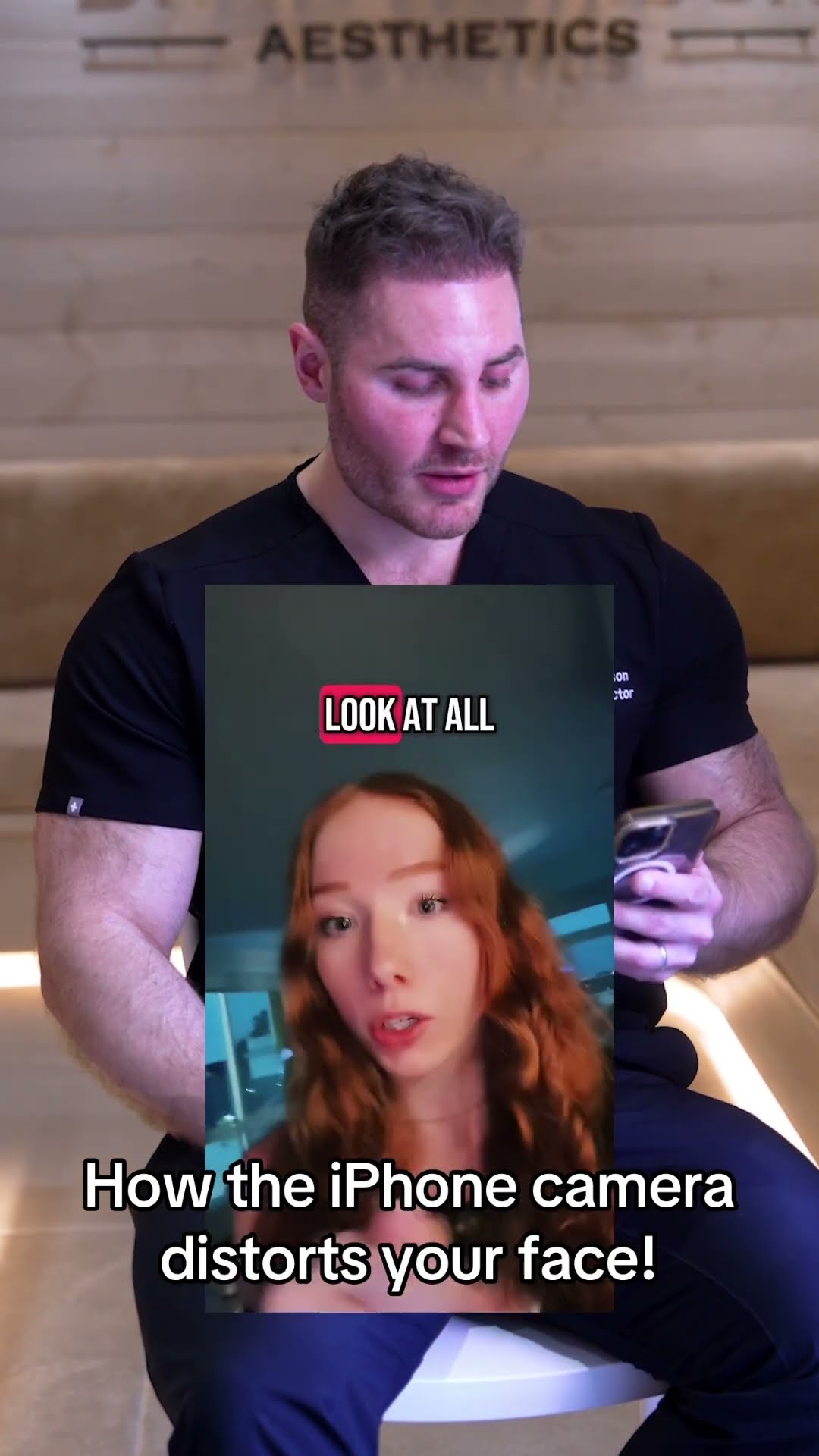
As someone who spends a lot of time on camera, I can confirm it is not difficult to use lighting, angles, concealer and skincare to look a certain way. Filters can now work in real time, smoothing skin and even changing facial structure. And the front-facing phone camera distorts the face, making features such as the nose and cheeks look more pronounced than they appear to other people. If you are seeking treatment based on what you see in that camera, please pause.
Part of my role is managing expectations. Perfectly snatched faces and glass skin are not achievable, and I would argue they are not particularly desirable either. When did you last see someone in real life with flawless skin and no make-up, who was not under a ring light?
There are plenty of evidence-based, sensible and subtle things we can do if a concern is genuinely bothering you, and an in-person assessment is the right way to plan them. But I also often advise people to cut themselves some slack, stop comparing themselves to others, and take an honest look at their visual diet.
Video transcript
Edited from the video captions.
I’m an aesthetics doctor, and if you’re like me and spend too much time on social media and care a lot about your appearance, then you’re going to want to listen to this. One of the most common conversations that I have with my patients in clinic is about their diet, but not the kind of diet that you’re probably thinking about. Instead, it’s the concept of a visual diet. Your visual diet is the content that you consume on a regular basis, or even the people that you hang out with. By the way, this also explains why people end up looking weird over time when they have cosmetic treatments. I’ll use myself as an example. So, half of my social media feed is aesthetics content, and the other half is fitness-related. I probably spend a disproportionate amount of time looking at people with incredibly good physiques, and for me, my perception of a normal physique has changed over time. I see this a lot in my patients who spend a lot of time looking at pictures of overly filtered people who have incredibly well-structured faces or overly contoured faces, and this, over time, can cause their perception to drift from what is normal. And that’s without even having any treatments. This can cause real problems for people when they end up aspiring to look a certain way which doesn’t actually fit with normal parameters anymore. I spend a lot of time having very frank conversations with people and managing their expectations, as well as talking about their visual diets, because glass skin, completely symmetrical faces, perfect contours and ratios are just the result of filters, AI, or a ring light working overtime. If you find that you’re spending a lot of time comparing yourself to others online, it’s always worth taking a break from social media, auditing your visual diet, and cutting yourself some slack about your appearance.
Questions
Frequently Asked Questions
What is a visual diet?
It is the content and people you see regularly, online and offline, which shapes what you consider normal and attractive.
Does the phone camera distort your face?
Yes. The front-facing camera’s lens can make features such as the nose and cheeks look more pronounced than they appear in person, which is why in-person assessment matters.
Keep watching
Related Videos


Have a Question About Treatment?
Talk it through with a doctor who will explain your anatomy and every option, with no pressure to proceed.
Book a Consultation