


Scars and scar revision
Doctor-led assessment in Hale, Cheshire
Scars and scar revision · Hale, Cheshire

A scar can be raised, indented, tethered, red, dark or restrictive. The right treatment depends on which of these features is causing the problem. We assess the scar and its history before recommending a procedure, with improvement rather than complete removal as the usual goal.
Hale clinic · Consultation first
You do not need to choose a treatment before contacting us. We start by understanding the cause, then explain whether a clinic pathway, observation or a referral is the more sensible next step.
At a glance
How we think about scars and scar revision
 Assessment focus
We ask how the scar formed, its age, any changes and previous treatment.
 Possible pathways
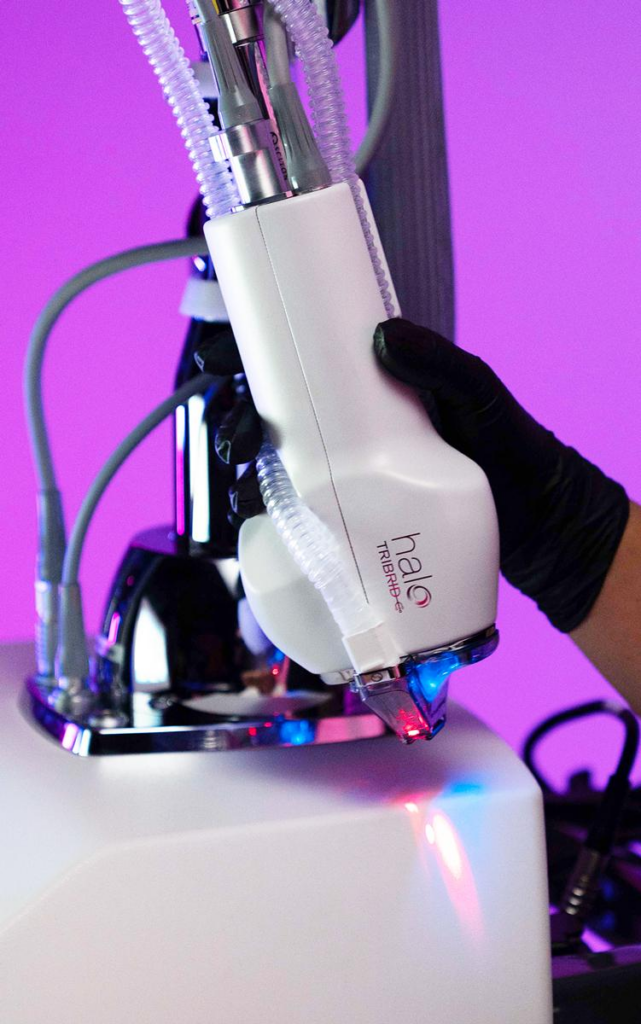
Erbium laser resurfacing, Subcision, SkinPen microneedling
 Our approach
Understand the cause first; recommend treatment only when the likely benefit justifies the risk, recovery and cost.
 Medical care first
An open or infected wound, spreading redness, discharge, fever or new functional restriction needs medical assessment.
What this concern can involve
Scars form as skin repairs after injury, surgery, inflammation or infection. A hypertrophic scar stays within the original injury, while a keloid can extend beyond it. Depressed scars may involve loss of tissue or tethering. Colour change can remain after the surface has healed. Scar appearance often changes naturally over many months, which affects when intervention is worthwhile.
Texture
Indented or raised scars change how light falls.

Colour
Red or dark scars are a colour problem.
Tethering
Scars pulled down by bands need release.
Function
Tight scars can restrict movement.
How we assess it
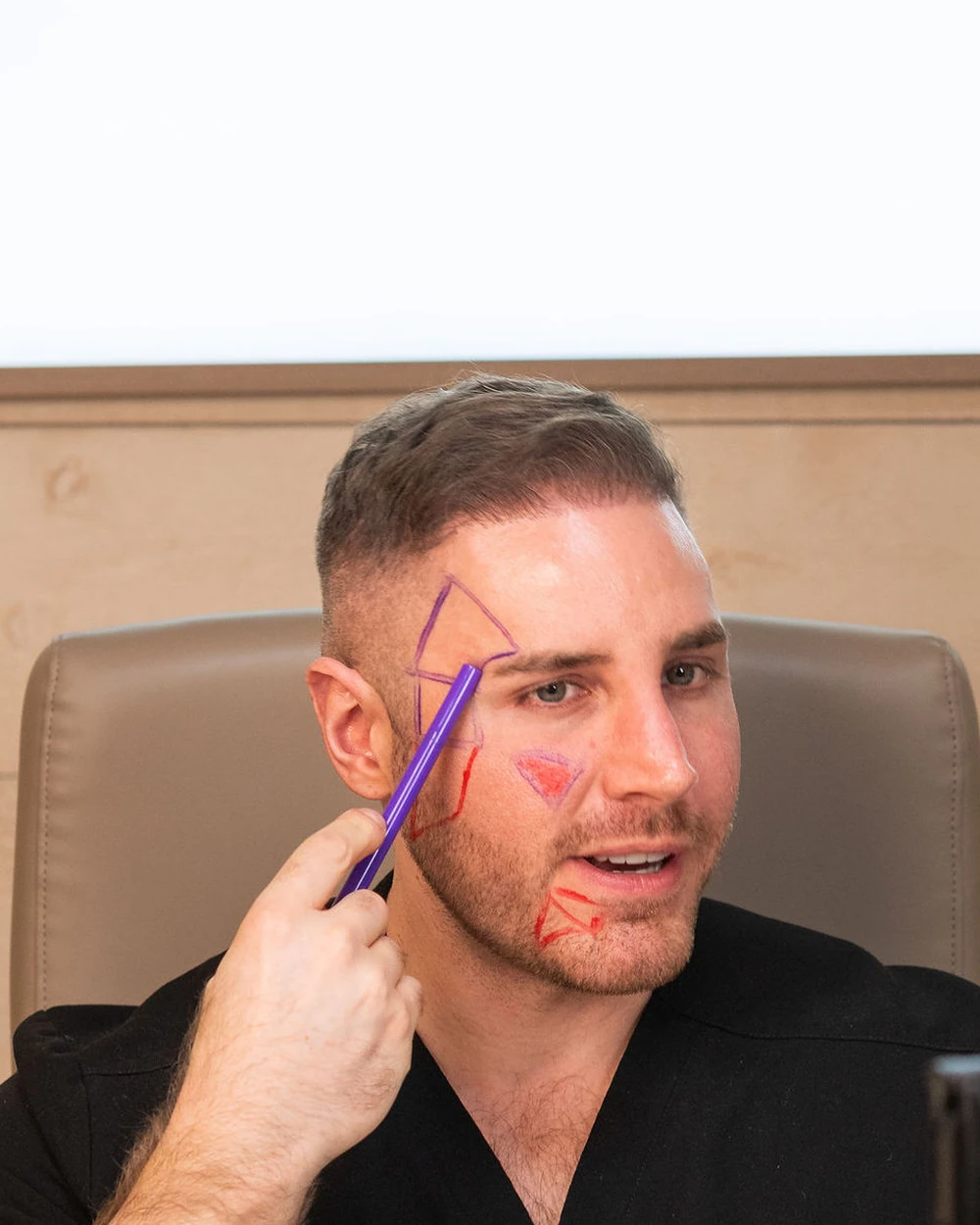
We ask how the scar formed, its age, any changes and previous treatment. We assess symptoms, movement, depth, colour and whether tension or tethering is important. Tell us about a history of keloids or pigment problems. A growing lesion that has simply been called a scar needs diagnostic review before cosmetic treatment.
Assessment pathway
A useful consultation for scarring follows a clear sequence rather than jumping to a product.
History
How and when the scar formed, healing and previous treatment.
Examination
Scar type, colour, height and any tightness.
Priority
Texture, colour, tethering or function, and which matters most.
Plan
Resurfacing, microneedling, targeted care, referral or no treatment.
Your consultation
You do not need to choose a treatment before contacting us. Tell us what you have noticed, when it changed, what you have already tried and what a worthwhile result would look like to you. We consider your health, medication, previous procedures, skin or tissue characteristics and practical tolerance for recovery.
A useful consultation may lead to treatment, a staged plan, a period of observation or a referral. We would rather explain that an option is unlikely to help than place you into a course simply because the treatment is available.
Options we may discuss
Scarring has more than one cause, so there is no single fix. The right option depends on what we find at consultation.


What treatment may realistically achieve
The useful outcome may be less obvious texture, improved comfort or better movement rather than an invisible scar. Several stages may be needed, with time between them to assess healing. Surgical revision creates a new scar, and other procedures can also worsen scarring. We explain those trade-offs and when observation is preferable.
Related concerns we may also discuss
Scarring often sits alongside other related findings. These related concerns help frame the wider assessment.


Comfort, safety and clinical judgement
Comfort planning depends on the procedure. It may include topical or local anaesthetic, cooling, paced treatment or a nerve block where clinically appropriate. A nerve block is not needed for every concern, and comfort measures do not remove treatment risk.
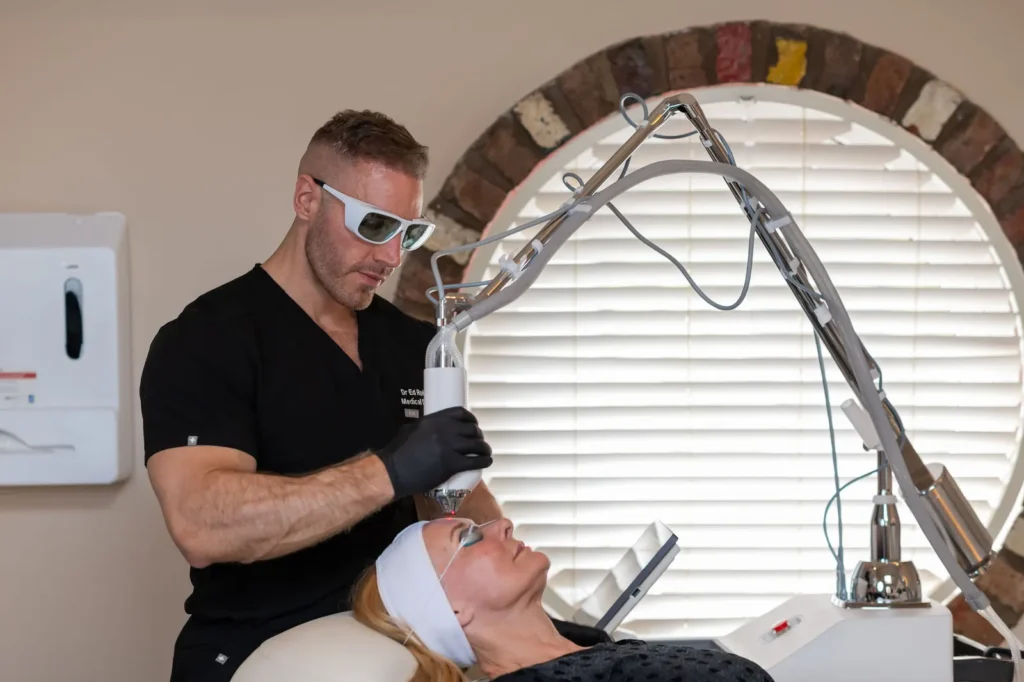
Device and skin treatments require careful attention to diagnosis, skin type, settings, eye protection, aftercare and escalation.
Nerve blocks and comfort
Laser, subcision and microneedling treatments can be uncomfortable. Local anaesthetic, cooling and a paced approach are discussed beforehand, and a nerve block may be offered where clinically appropriate.
Medical thinking
Why choose Dr Ed Robinson Clinics
Our approach is medical, conservative and consultation-led. We look at how the concern fits the whole face, skin or health picture rather than treating an isolated photograph.
Cause before product
Texture, colour, tethering and function all matter in a scar. We assess them together before recommending a pathway.
Comfort planned with judgement
Comfort planning may include topical or local anaesthetic, cooling, paced treatment or a nerve block where clinically appropriate.
Honest next steps
A useful consultation may lead to treatment, observation or a referral. We would rather explain when an option is unlikely to help.
CQC Good · Hale registered service
The registered Hale service is rated Good overall and Outstanding in leadership by the CQC. That rating relates to the registered service at Hale; it should not be read as separate CQC approval of every cosmetic procedure.
Read the CQC report for the registered Hale service · Meet Dr Ed
5.0 Google rating from 478 reviews
“What particularly impressed me was his honesty about treatments that he felt wouldn’t be appropriate or beneficial.”
“Be aware, he’ll be brutally honest if it’s not right for you and that’s why I cannot recommend him highly enough.”
What you can do at home
Follow wound-care advice and protect healed scars from sun exposure. Silicone products may be appropriate for some closed, healed scars, but not every scar needs the same home treatment. Avoid strong acids or home needling over an uncertain or actively inflamed area.
When to seek medical advice
An open or infected wound, spreading redness, discharge, fever or new functional restriction needs medical assessment. A scar-like area that is growing, ulcerating or bleeding also needs diagnosis.
Related videos, articles and results
Further reading and clinic media that can help you understand scarring in context.

Frequently asked questions
Can a scar be erased
No treatment can guarantee that. The aim is usually to improve one or more features, such as texture, colour or discomfort.
Should a new scar be treated immediately
Some scars improve naturally as they mature. Others need earlier care because of symptoms or abnormal growth. Timing depends on the scar and proposed method.
Are keloids treated like acne pits
No. Raised, growing scars and depressed scars have different biology and treatment needs. A generic resurfacing course may be inappropriate.
What does subcision do
It releases tethering beneath a depressed scar. It has its own risks and is not suitable for every scar; clinician and service availability should be confirmed.
Can scar treatment change skin colour
Yes. Pigment changes can occur, particularly in susceptible skin. Preparation, technique and sun protection are considered as part of the plan.