


A gummy smile
Assessed by our doctors in Hale, Cheshire
A gummy smile · Hale, Cheshire

Showing gum when you smile is a normal variation. If you would like to change it, we first need to understand whether the gum display comes from the lip, teeth, gums or jaw. A medical treatment cannot correct every dental or skeletal cause.
Hale clinic · Consultation first
You do not need to choose a treatment before contacting us. We start by understanding the cause, then explain whether a clinic pathway, observation or a referral is the more sensible next step.
At a glance
How we think about a gummy smile
 Assessment focus
We assess your natural smile, lip movement and the visible teeth and gums.
 Possible pathways
Anti-wrinkle consultation
 Our approach
Understand the cause first; recommend treatment only when the likely benefit justifies the risk, recovery and cost.
 Medical care first
New gum swelling, persistent bleeding, tooth pain or a rapidly changing smile needs dental assessment.
What this concern can involve
Gum display depends on upper-lip length and movement, tooth position, gum coverage and the relationship of the upper jaw to the rest of the face. Several factors can coexist. A lip that rises strongly during smiling is different from teeth that appear short because of their gum coverage. There is no single amount of visible gum that makes a smile wrong.
Lip movement
A strong upper-lip elevator can lift the lip higher when you smile.
Teeth and gums
Short crowns or extra gum coverage change how much gum shows.

Jaw position
Upper-jaw height and bite affect gum display.
Lip length
A shorter upper lip shows more gum at rest and when smiling.
How we assess it
We assess your natural smile, lip movement and the visible teeth and gums. We ask about dental treatment, gum health, previous surgery and any change over time. A dentist or orthodontist may need to assess gum or bite-related factors before an aesthetic procedure is considered. Your smile should remain comfortable and functional.
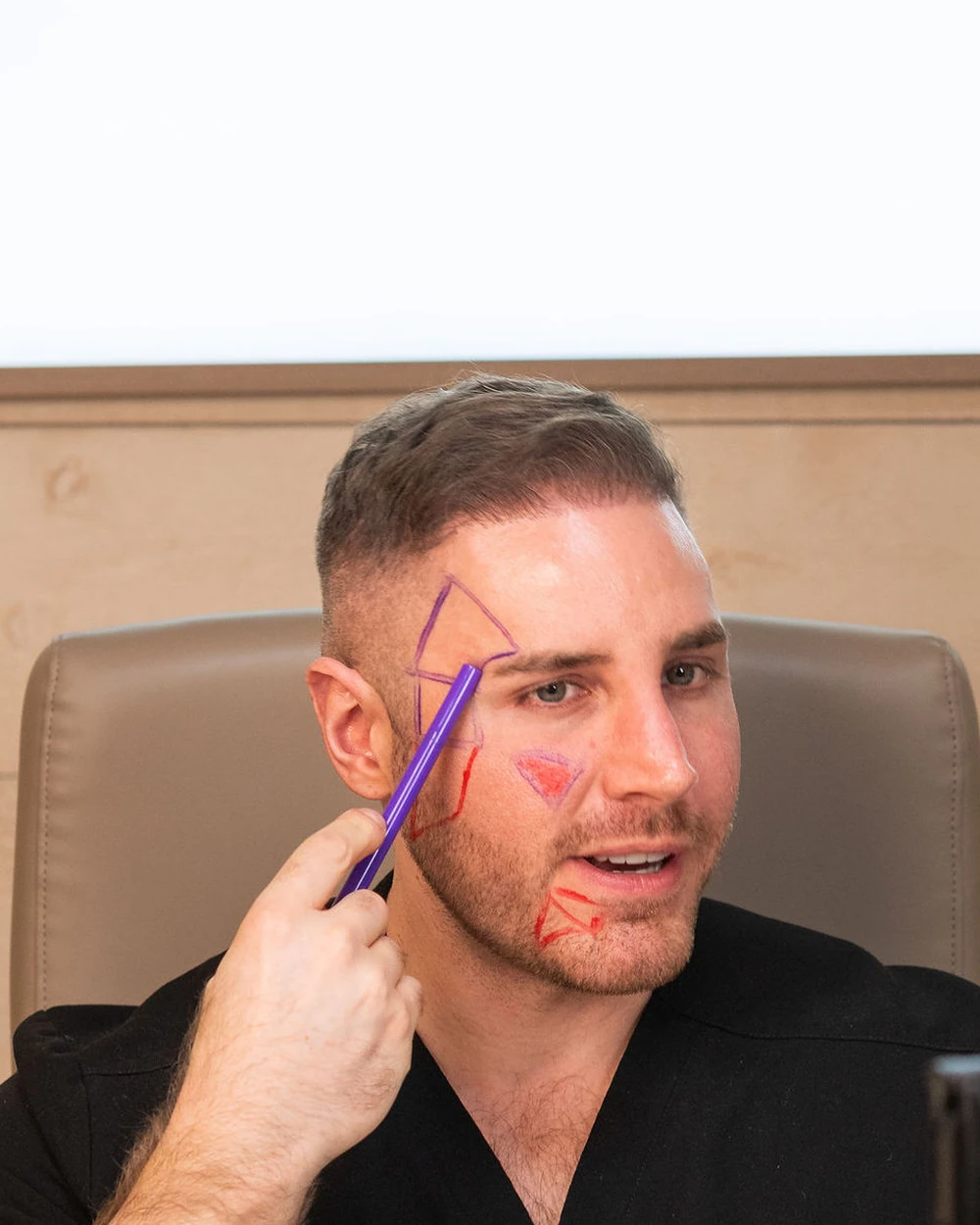
Assessment pathway
A useful consultation for a gummy smile follows a clear sequence rather than jumping to a product.
History
Dental and orthodontic treatment, gum health and previous treatment around the mouth.
Examination
Your smile at rest, a natural smile and a full smile, with lip length and tooth display.
Cause
Whether lip movement, teeth and gums, or jaw position is the main contributor.
Plan
A medical option, a dental or orthodontic opinion, or no treatment.
Your consultation
You do not need to choose a treatment before contacting us. Tell us what you have noticed, when it changed, what you have already tried and what a worthwhile result would look like to you. We consider your health, medication, previous procedures, skin or tissue characteristics and practical tolerance for recovery.
A useful consultation may lead to treatment, a staged plan, a period of observation or a referral. We would rather explain that an option is unlikely to help than place you into a course simply because the treatment is available.
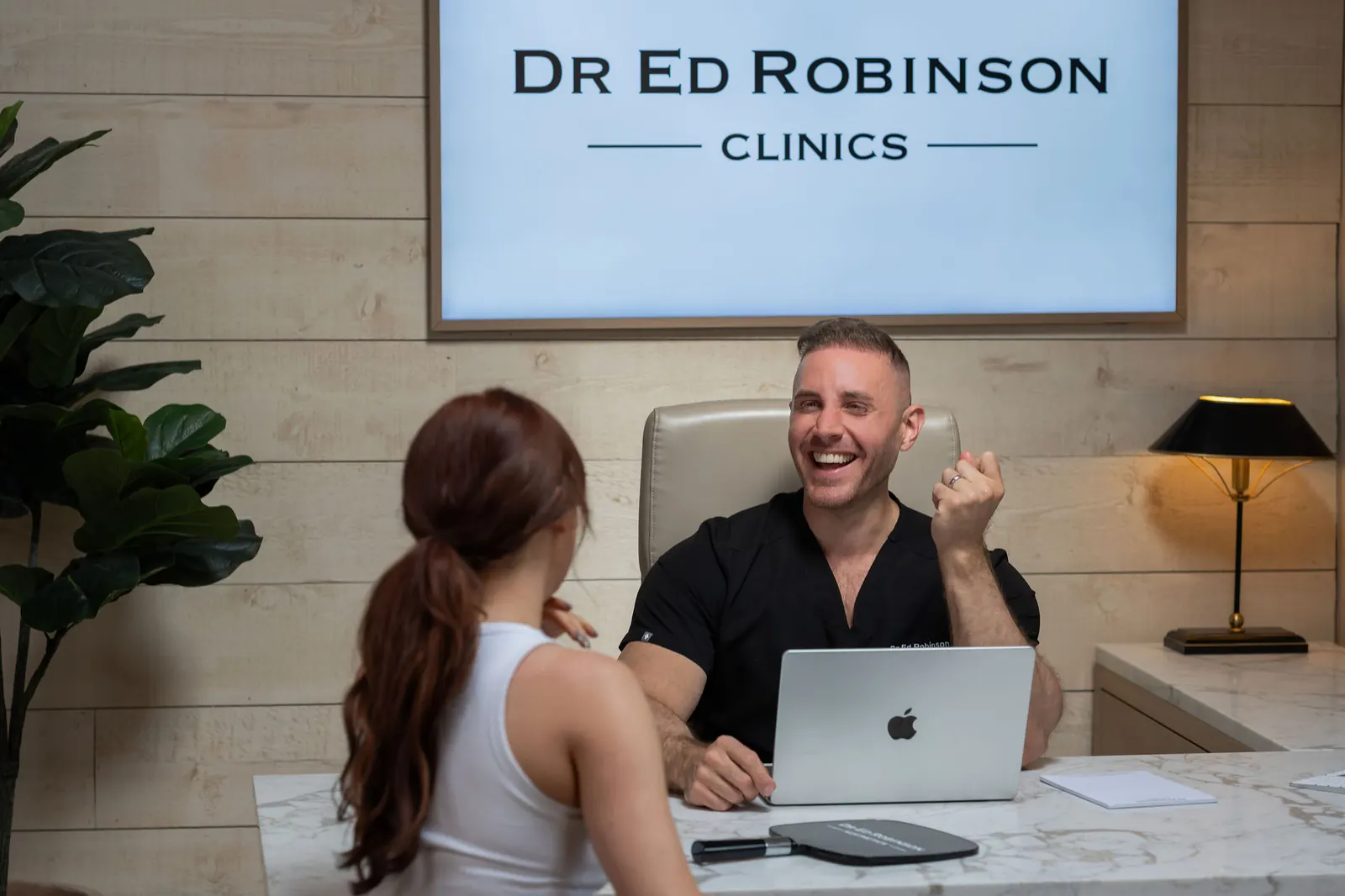
Options we may discuss
A gummy smile has more than one cause, so there is no single fix. The right option depends on whether the lip, teeth, gums or jaw is responsible, and a dental opinion can be the most useful outcome.

What treatment may realistically achieve
If a movement-related treatment is suitable, the change is usually temporary and may not address all gum display. We discuss asymmetry, smile changes and the limits of treatment. We will not recommend adding lip volume solely to obscure a dental problem, nor promise a particular smile based on another person’s photograph.
Related concerns we may also discuss
A gummy smile often sits alongside other lip and lower-face findings. These related concerns help frame the wider assessment.


Medical thinking
Why choose Dr Ed Robinson Clinics
Our approach is medical, conservative and consultation-led. We look at how the concern fits the whole face, skin or health picture rather than treating an isolated photograph.
Cause before product
Lip movement, teeth, gums and jaw position all shape a smile. We assess them together before recommending a pathway.
Treatment planned with care
Comfort and what to expect are discussed before any treatment, so you know how the appointment will feel and what happens afterwards.
Honest next steps
A useful consultation may lead to treatment, observation or a referral. We would rather explain when an option is unlikely to help.
CQC Good · Hale registered service
The registered Hale service is rated Good overall and Outstanding in leadership by the CQC. That rating relates to the registered service at Hale; it should not be read as separate CQC approval of every cosmetic procedure.
Read the CQC report for the registered Hale service · Meet Dr Ed
5.0 Google rating from 478 reviews
“What particularly impressed me was his honesty about treatments that he felt wouldn’t be appropriate or beneficial.”
“he actually advised I didn’t need certain treatments I was expecting and genuinely advised what would be best for my skin.”
What you can do at home
Maintain dental hygiene and regular dental reviews. If gums are swollen, bleeding or uncomfortable, address that first. No skincare product or facial exercise can reliably correct all causes of gum display.
When to seek medical advice
New gum swelling, persistent bleeding, tooth pain or a rapidly changing smile needs dental assessment. Sudden facial weakness needs urgent medical care.
Related videos, articles and results
Further reading and clinic media that can help you understand a gummy smile in context.



Frequently asked questions
Is a gummy smile a medical problem
Not necessarily. It is often a normal variation. Treatment is optional, and any underlying dental or gum disease should be distinguished from appearance alone.
Can lip filler solve it
Not reliably. Filler changes volume and shape rather than tooth, gum or jaw relationships. It may add unwanted fullness without addressing the cause.
Will treatment change the way I smile
It can. That is part of the intended effect of some options and also a source of possible unwanted asymmetry or functional change.
Should I see my dentist first
A dental review is useful if there are gum symptoms, short-looking teeth, bite concerns or uncertainty about the cause. We can explain when that input is needed.
Will the result last forever
Non-surgical movement-related changes are temporary. Dental and surgical options have different aims and implications, which should be discussed with the relevant specialist.