


Testosterone Replacement Therapy (TRT)
Testosterone Replacement Therapy (TRT) is a medically supervised treatment designed to restore healthy testosterone levels in men experiencing symptoms of hormonal decline.
Low testosterone can affect:
- Energy levels
- Mood stability
- Muscle mass and strength
- Libido and sexual function
- Mental clarity and focus
- Overall resilience and wellbeing
Hormonal decline is often gradual. Many men across Altrincham, Hale, Cheshire and Greater Manchester report feeling “not quite themselves” long before they realise testosterone may be contributing.
When levels fall below an optimal physiological range, quality of life frequently declines without a clear explanation.
TRT works by carefully restoring testosterone to a controlled, therapeutic level within normal biological parameters. The aim is not enhancement. It is restoration.
At Dr Ed Robinson Aesthetics in Cheshire, TRT is delivered through a structured, consultation-led medical programme including:
- Comprehensive blood testing
- Full hormonal profiling
- Cardiometabolic screening
- Detailed medical diagnostics
- Ongoing clinical supervision
This ensures treatment is safe, clinically appropriate, and tailored to your individual hormonal profile.
We do not prescribe without proper investigation. We treat underlying physiology, not just symptoms.
At a glance

30-45 minutes

Not required

None

Gradual improvement over 4-12 weeks
Benefits of Testosterone Replacement Therapy
-

RESTORES ENERGY AND DRIVE
Low testosterone is commonly associated with fatigue, reduced motivation and declining physical performance. TRT helps restore vitality, allowing patients to feel more like themselves again. -
SUPPORTS MUSCLE MASS AND BODY COMPOSITION
Testosterone plays a key role in maintaining lean muscle and metabolic health. Optimised levels can improve strength and body composition when combined with appropriate lifestyle habits. -
IMPROVES LIBIDO AND SEXUAL FUNCTION
Reduced libido and erectile dysfunction are frequent symptoms of testosterone deficiency. TRT may help restore healthy sexual function where hormonal imbalance is confirmed. -
ENHANCES MOOD AND COGNITIVE FUNCTION
Low testosterone can contribute to brain fog, low mood and irritability. Hormone optimisation may improve clarity, emotional stability and resilience. -
MEDICALLY SUPERVISED AND DATA DRIVEN
This is not supplementation. It is structured medical care guided by diagnostics and ongoing monitoring.
Our Approach to TRT

Comprehensive Consultation
Advanced Blood Testing & Diagnostics
Individualised Treatment Planning
Ongoing Monitoring
Long-Term Health Focus
What conditions can TRT help with?
Low Energy Levels

Low energy levels in men are a common symptom of low testosterone, as reduced levels of testosterone can lead to fatigue, decreased motivation, and a general lack of physical and mental vitality.
Libido & Intimacy Issues
Libido and intimacy issues in men occur as decreased testosterone levels may reduce sexual desire, impair performance, and affect overall confidence in intimate relationships.
Low Mood or Brain Fog
Low mood and brain fog in men are commonly associated with low testosterone, as reduced testosterone levels can impact mental clarity, emotional stability, and overall cognitive function.
Our Approach
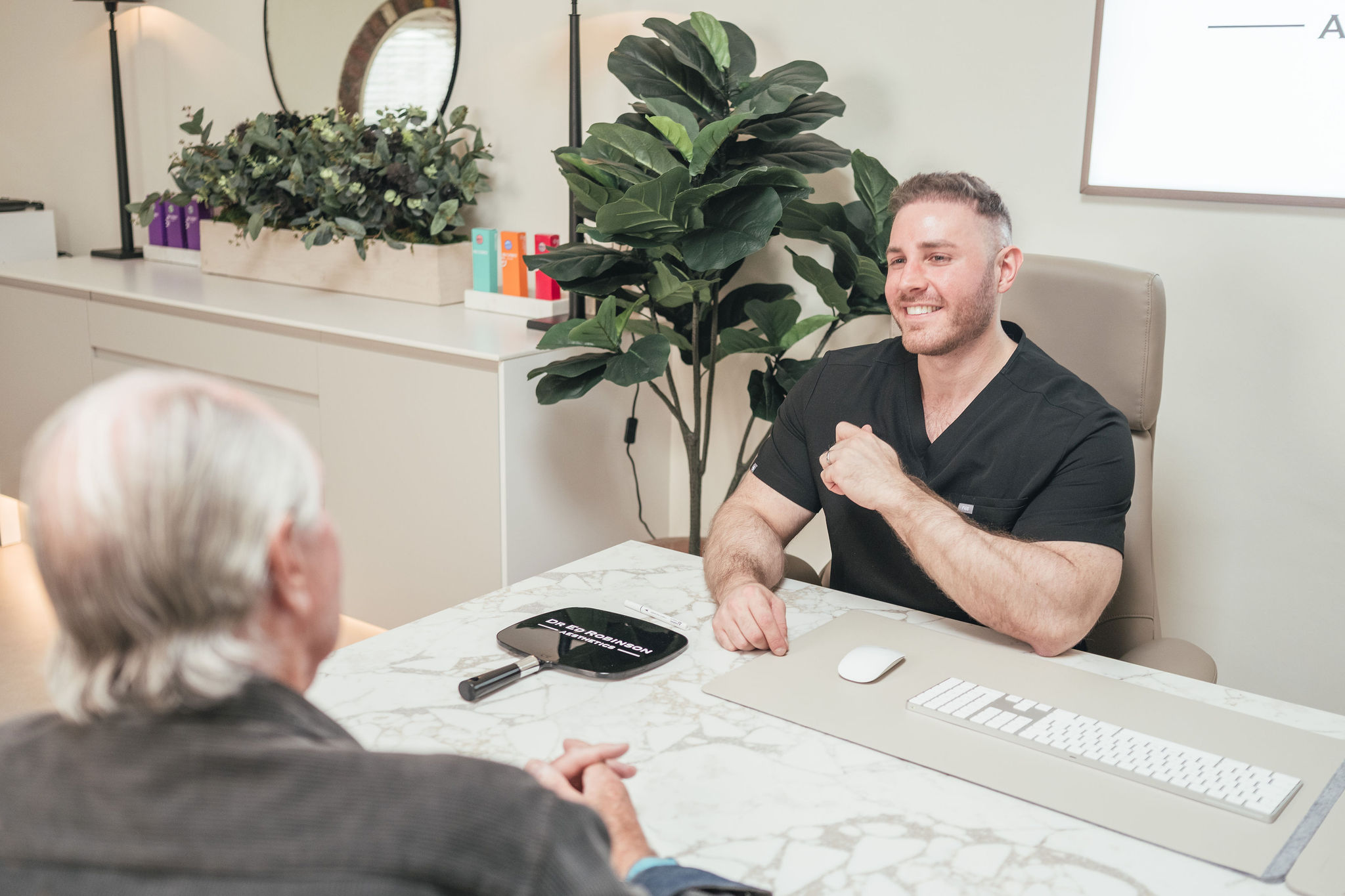
Patient Safety
We prioritise your safety and satisfaction.
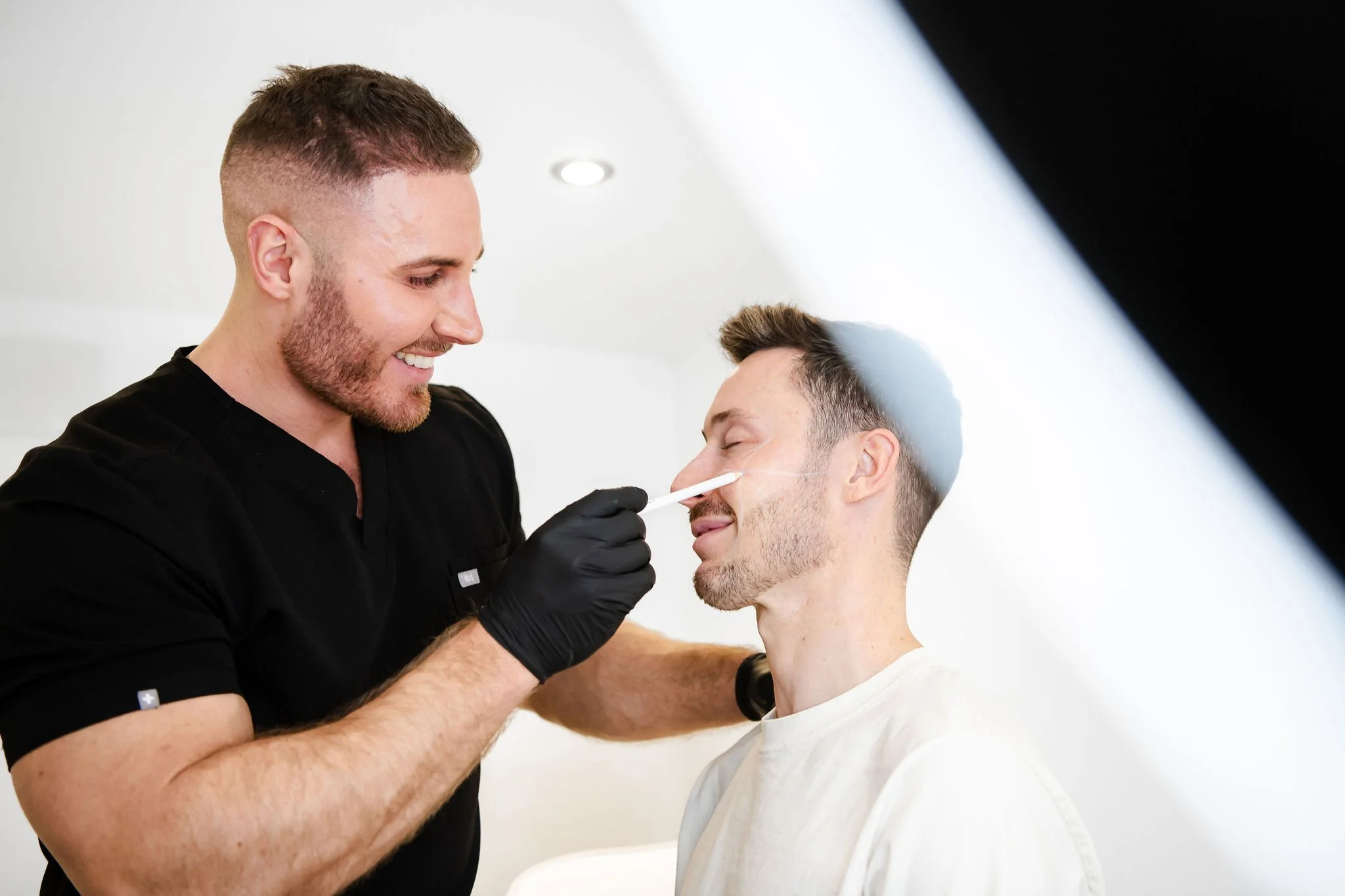
Evidence Based Practice
Our treatments are based on the latest research and best practices in the field of aesthetics.

Bespoke Treatments
We always take the time to understand your goals and concerns, providing personalised treatment plans that are tailored to your unique needs.

High Quality Products
Our commitment to using high-quality products sourced from reputable pharmacies ensures exceptional results and your peace of mind.
TRT Aftercare

What to Avoid
Missed or inconsistent dosing can lead to fluctuating hormone levels and reduced effectiveness.
Adjusting your dosage yourself may impact results and should always be guided clinically.
Excess alcohol in the early stages may affect energy, mood, and overall response to treatment.
Introducing new supplements or medications without discussion may interfere with treatment balance.
Stopping treatment abruptly can disrupt hormone levels and should be avoided without medical advice.

Comfort & Recovery Tips
Consistency with your treatment plan helps maintain stable hormone levels and optimise results.
Prioritising good quality sleep supports recovery, energy levels, and hormonal balance.
Regular exercise can help improve mood, strength, and overall wellbeing.
Maintaining a balanced diet supports your body’s response to treatment.
Attending follow up appointments and blood tests ensures treatment remains safe and effective.
Monitoring your symptoms over time helps track progress and guide any adjustments needed.
FAQs
For more general enquiries, please take a look at some of our frequently asked questions.
Who Is Suitable for TRT?
TRT may be appropriate for men experiencing:
- Persistent fatigue
- Low libido
- Erectile dysfunction
- Reduced muscle mass
- Increased body fat
- Low mood or brain fog
- Reduced motivation
Treatment is only prescribed when laboratory testing confirms clinically low testosterone.
TRT is not suitable for men with certain prostate conditions, untreated sleep apnoea or specific medical contraindications. Full assessment is essential.
What to Expect From TRT?
Improvement is gradual.
Most patients notice:
- Increased energy within 3-6 weeks
- Improved mood and clarity within 6-8 weeks
- Enhanced strength and body composition over 3-6 months
Results vary based on baseline levels, lifestyle and adherence to monitoring.