


Specialist Assessment and Removal of Basal Cell Carcinoma
Basal Cell Carcinoma (BCC) Treatment
Basal cell carcinoma (BCC) is the most common type of skin cancer. It usually develops slowly and very rarely spreads to other parts of the body, but appropriate diagnosis and treatment are important.
At Dr Ed Robinson Clinics, suspected or confirmed BCCs can be assessed by our Dermatologist, Dr Alex Crawford. Following a detailed examination, he can determine whether the lesion is suitable for treatment within the clinic and recommend the most appropriate next steps.
Where clinically appropriate, BCCs can be surgically removed under local anaesthetic, with the tissue sent for independent histological examination to confirm the diagnosis and assess the margins.
At a glance

Typically 30–60 minutes

Local anaesthetic

Varies depending on the size and location of the treatment area

Surgical removal where clinically appropriate
What Is a Basal Cell Carcinoma?
A basal cell carcinoma, often shortened to BCC, is a type of non-melanoma skin cancer. BCCs are generally slow-growing and very rarely spread elsewhere in the body. However, if left untreated, they can continue to grow and damage surrounding skin and tissue.
They most commonly develop on areas that have received significant UV exposure over time, particularly the:
- Face
- Scalp
- Ears
- Neck
- Shoulders
- Arms
- Hands
Factors that can increase your risk include long-term UV exposure, fair skin, previous sunburn or sunbed use and having had a BCC before.
How Is Basal Cell Carcinoma Diagnosed?
Dr Alex will examine the lesion and consider its appearance, size, location and clinical history.
In some cases, the appearance may be strongly suggestive of a BCC. In others, a biopsy may be recommended before treatment. This involves removing a small sample under local anaesthetic and sending it for histological examination to help confirm the diagnosis and guide the next steps.
Basal Cell Carcinoma Removal
Surgical excision is an established treatment for BCC and may be recommended when the lesion is suitable for removal within the clinic.
The area is numbed using local anaesthetic before the BCC is carefully removed along with an appropriate margin of surrounding skin. Depending on the size and location, the wound may then be closed with stitches.
The removed tissue may be sent for independent histological examination to confirm the diagnosis and assess whether the margins are clear.
Not every BCC is suitable for the same approach. Factors such as its size, location, subtype and previous treatment history may mean a different surgical technique or specialist pathway is more appropriate.
What Happens After BCC Removal?
Recovery depends on the size and location of the BCC and how the wound has been repaired. Some soreness, bruising or swelling can occur during the early stages of healing.
You will receive specific aftercare instructions and may be advised to:
- Keep the wound clean and dry for the recommended period
- Follow the dressing and wound-care instructions provided
- Avoid strenuous exercise or activities that place tension on the wound
- Avoid picking at scabs or disturbing stitches
- Protect the healing area from direct sun exposure
- Attend any recommended wound review or stitch-removal appointment
Dr Alex will advise when you can return to your usual skincare, exercise and other activities.
Our Approach

Dermatologist-Led Care
BCC assessment and treatment is led by Dr Alex Crawford, allowing the lesion to be properly evaluated before any procedure is recommended.

Individual Treatment Planning
The size, location and characteristics of the BCC are considered when deciding whether removal within the clinic is appropriate and how treatment should be performed.
Surgical Removal & Histology
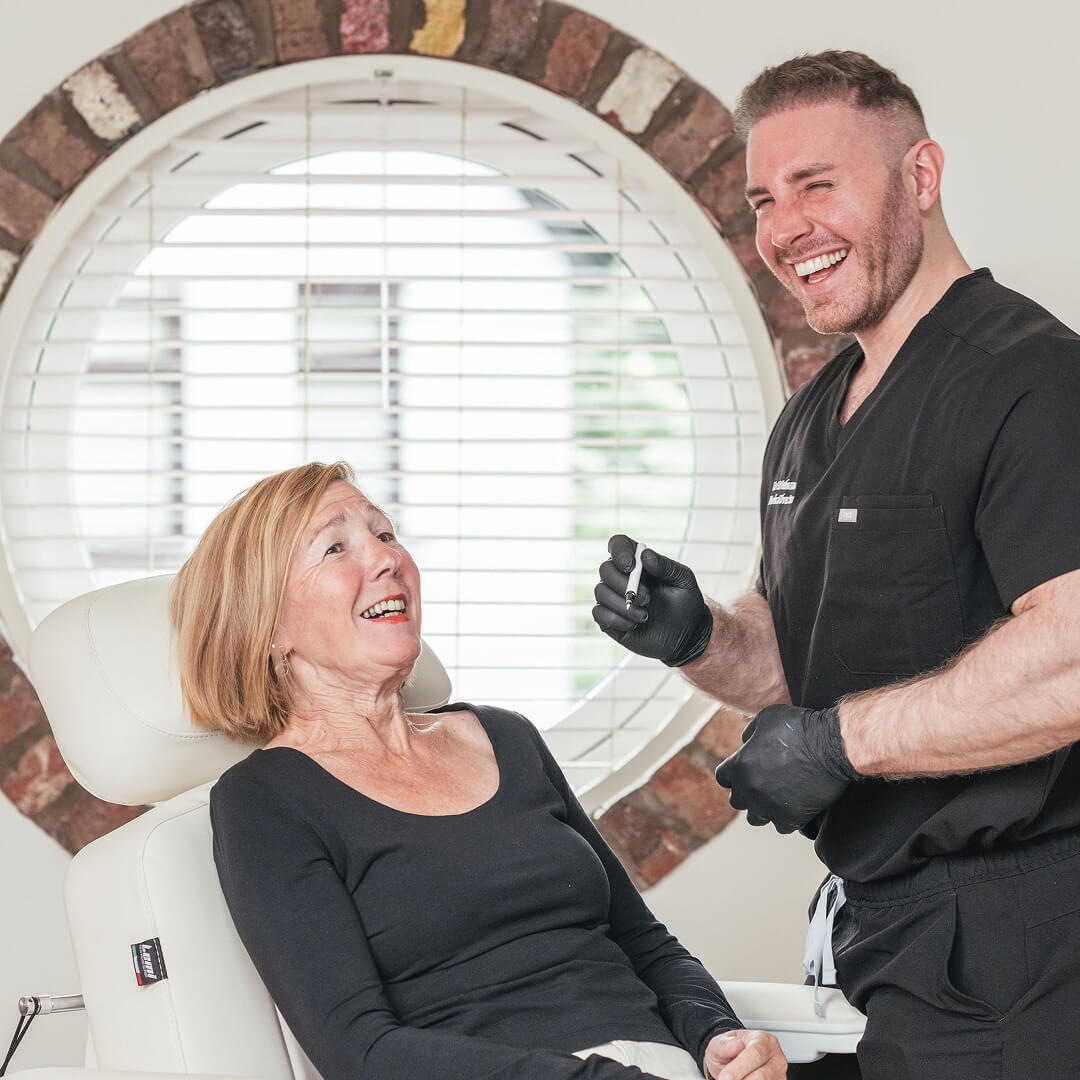
Where appropriate, the BCC is surgically removed under local anaesthetic and sent for independent histological examination.
Follow-Up
Once the histology results are available, Dr Alex can explain the findings and advise whether any further treatment or follow-up is required.
Reducing Your Risk of Further Skin Cancer
Having had a BCC increases your risk of developing further skin cancers, making ongoing skin awareness and sun protection particularly important.
You can help protect your skin by using high-protection, broad-spectrum sunscreen, wearing protective clothing and a hat, seeking shade during strong sunlight and avoiding deliberate tanning and sunbeds.
It is also important to regularly check your skin and seek assessment for lesions that are new, changing, growing, bleeding or failing to heal.
FAQs
For more general enquiries, please take a look at some of our frequently asked questions.
Can I wait before having a basal cell carcinoma treated?

BCCs are usually slow-growing, but they can continue to become larger and affect surrounding tissue if left untreated. Dr Alex can assess the individual lesion and advise on the appropriate timeframe for treatment.
Can a BCC be removed from the face?
Yes, BCCs commonly occur on sun-exposed areas of the face. Treatment planning is particularly important in areas such as the nose, ears and around the eyes, where the location of the lesion can influence the most appropriate method of removal.
Will removing a BCC change how the area looks?
Some degree of scarring is expected following surgical removal. The final appearance depends on factors including the lesion’s size and location, how much tissue needs to be removed and your individual healing response.
What happens if my histology results show the BCC has not been completely removed?
If BCC cells are found at or close to the edge of the removed tissue, further treatment may be recommended. Dr Alex will review the histology findings and explain the most appropriate next step.
Can I drive home after BCC removal?
As procedures are generally carried out under local anaesthetic, many patients may be able to drive afterwards. However, this can depend on where the BCC has been removed, the extent of the procedure and any dressing applied. You will be given individual advice before treatment.
If I have had one BCC, am I more likely to get another?
Yes. Having previously developed a BCC increases your risk of developing further skin cancers. Regular skin checks, good UV protection and seeking assessment for new or changing lesions are therefore particularly important.