


In short: PCOS, now renamed polyendocrine metabolic ovarian syndrome (PMOS), often shows up in the skin as excess facial or body hair, acne, thinning hair or dark, velvety patches. These signs are driven by hormones, so medical care from your GP comes first. Hair removal, acne treatments and good skincare can then help you feel more like yourself.
If you live with PCOS, you will know it is about far more than your ovaries. Unwanted chin hair, stubborn breakouts along the jaw and hair thinning on the scalp are some of the most common reasons people with PCOS seek help, and they can affect confidence every single day. In this guide, we answer the questions we hear most often, using guidance from the NHS, NICE and the international PCOS guideline, and explain how treatments at Dr Ed Robinson Clinics can work alongside the care you receive from your GP.
What is PMOS, and why has PCOS been renamed?
On 12 May 2026, polycystic ovary syndrome was officially renamed polyendocrine metabolic ovarian syndrome (PMOS). The new name came from a global consensus process led by researchers at Monash University, working with 56 patient and professional organisations including the Androgen Excess and PCOS Society and Verity, the UK PCOS charity. It was published in The Lancet and announced by the Endocrine Society.
The old name suggested the condition was about ovarian cysts, but most people with PCOS do not have abnormal cysts. The new name reflects what the condition really involves: hormones (including higher androgens, sometimes called “male” hormones, although everyone has them), metabolism (such as insulin resistance) and the ovaries. PCOS affects around 1 in 8 women, more than 170 million people worldwide (The Lancet, 2026).
The NHS now uses the name PMOS, and the change is being introduced gradually over around three years. Because most people still search for PCOS, we use both names in this guide.
How does PCOS affect your skin and hair?
Skin and hair changes are among the most visible signs of PCOS, and they are often what prompts a first visit to the GP. In a US study of 401 women with PCOS, 53% had excess hair growth (hirsutism), 61% had acne and 37% had acanthosis nigricans (Schmidt et al., JAMA Dermatology, 2016). The NHS lists these symptoms of PMOS:
- excess hair on the face, chest, back or buttocks (hirsutism)
- oily skin and acne
- thinning hair or hair loss on the scalp
- darker, thicker patches of skin, often on the neck, armpits or groin (acanthosis nigricans)
Not everyone with PCOS has skin symptoms, and having one of these signs does not mean you have PCOS. Your GP can help you find the cause.
Why does PCOS cause facial hair?
Higher levels of androgens, or hair follicles that are more sensitive to them, turn fine, soft hair into darker, coarser hair in areas such as the chin, upper lip, jawline, neck, chest and abdomen. Insulin resistance can raise androgen levels further. PCOS is the most common cause of hirsutism, accounting for more than 70% of cases (NICE Clinical Knowledge Summaries).
Excess hair can have a real impact on wellbeing. The 2023 International Evidence-based Guideline for PCOS specifically recognises that hirsutism is linked with anxiety, low mood and reduced quality of life, and that treating it can help.
Does laser hair removal work for PCOS?
Yes, laser and light treatments can reduce PCOS facial hair, although they do not treat the hormonal cause. The international guideline recommends that laser and light therapies should be considered for reducing facial hair, and notes they can also improve anxiety, low mood and quality of life (Teede et al., 2023). A 2024 systematic review led by the same research group found laser and light treatments reduced hirsutism and improved wellbeing in women with PCOS, with greater benefit when combined with medical treatment, although the overall quality of evidence was low (JAMA Dermatology, 2024).
How many sessions will I need?
The guideline notes that people with PCOS may need more sessions than people without a hormonal cause. Hair grows in cycles, so a course of several sessions spaced 4 to 8 weeks apart is needed to treat hairs at the right stage. Because the hormones that drive hair growth are still present, some hair can return over time. One study found that improvements in quality of life tended to fade over 12 to 30 months after treatment (Clinical and Experimental Dermatology, 2015), so most people with PCOS benefit from occasional maintenance sessions to keep a long-lasting reduction.
Who is light-based hair removal suitable for?
Laser and light energy targets the pigment in the hair, so it works on darker hair. The guideline and the British Association of Dermatologists note that it is not effective for blonde, grey, white or red hair. The wavelength and settings need to suit your skin tone, and treatment should always be carried out by an experienced, suitably trained practitioner. The guideline found there is not enough evidence to recommend home devices.
Why does PCOS cause acne, and what does it look like?
Androgens increase oil (sebum) production and encourage blocked pores, which creates the conditions for spots to form. A 2021 meta-analysis found acne in 43% of women with PCOS compared with 21% of women without it (Gynecological Endocrinology, 2021).
PCOS acne often:
- appears around the lower face, jawline, chin and neck
- includes deeper, tender spots that can linger
- flares around your period
- continues into your twenties, thirties and beyond, or starts in adulthood
- comes with oily skin, marks left behind by spots or excess hair
Acne on its own is very common and is not a reliable sign of PCOS. However, if your acne is persistent and comes with irregular periods, excess hair or hair thinning, it is worth mentioning to your GP. You can read more in our guides to acne and how hormones affect your skin.
What helps PCOS acne?
Because PCOS acne is driven by hormones, skin treatments work well as part of a wider plan. Where suitable, we can prescribe medical treatments for acne at the clinic after a consultation, alongside skin treatments. Your GP can also discuss medical treatments that target the hormonal side, and the NHS acne page explains the treatments available. Alongside this, clinic treatments can help to calm active breakouts, reduce oiliness and improve the marks acne can leave behind.
Can PCOS cause hair thinning on the scalp?
Yes. The same androgens that encourage hair on the face can cause the hair on your scalp to thin, usually as widening through the parting and on the crown rather than bald patches. A 2025 meta-analysis found female pattern hair loss in around 1 in 5 women with PCOS, and women with PCOS were almost five times more likely to have it than women without the condition (JAAD International, 2025).
Hair thinning has many possible causes, including low iron, thyroid problems, stress and recent illness, so please speak to your GP first. You can find out more on the NHS hair loss page and in our hair loss guide.
What are the dark patches on the neck with PCOS?
Dark, thickened, velvety patches in skin folds such as the neck, armpits or groin are called acanthosis nigricans. They are a sign of insulin resistance, which is common in PCOS, and they sometimes come with small skin tags. The NHS advises seeing your GP about any new dark patches, and explains that they should fade over time once the cause is treated.
Acanthosis nigricans is different from the marks acne can leave behind. Brown or red marks after spots (post-inflammatory pigmentation) are common, especially in darker skin, and are something we can help with. See our pigmentation guide.
Why should medical care come first?
PCOS is a long-term condition that affects more than your skin. It is linked with a higher risk of type 2 diabetes, raised cholesterol, irregular periods and fertility problems, and it can affect your mood. The NHS explains that treatments and lifestyle changes can help manage the symptoms.
Your GP, or an endocrinologist or gynaecologist if you are referred, can confirm the diagnosis, check your blood sugar and other health markers, and discuss medical treatments that target the hormonal cause of excess hair, acne and hair thinning. Many of these take around 6 months to show their full effect, so it is worth starting early. For excess hair, research suggests combining medical treatment with laser or light hair removal gives better results than either on its own.
For support and information from people who understand, Verity is the UK charity for people with PCOS.
How can Dr Ed Robinson Clinics help?
We cannot treat PCOS itself, but we can help with how your skin and hair look and feel, alongside the care you receive from your GP. Every plan starts with a consultation, where we ask about your health history, look at your skin and agree a realistic plan together. All treatments are for adults aged 18 and over.
Hair removal with BBL at our Hale clinic
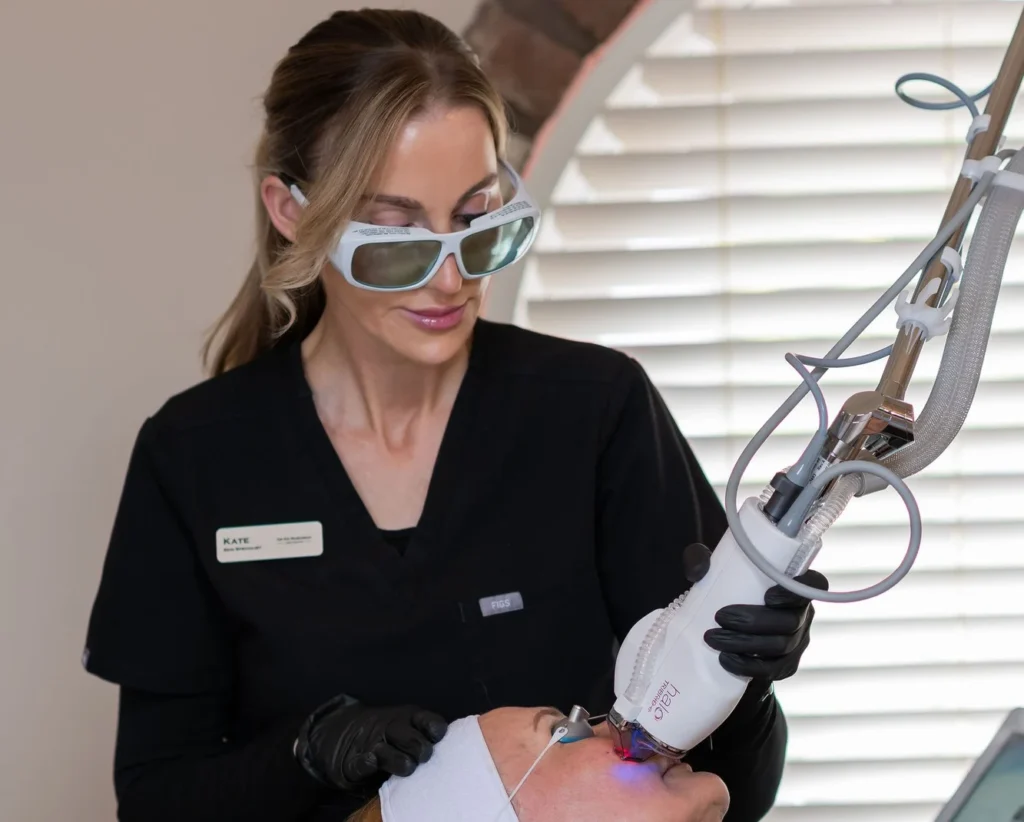
Our laser hair removal treatment uses BBL (BroadBand Light), a light-based technology rather than a true laser. It is available at our Hale clinic only, for small areas such as the face, underarms and bikini line. Kate, our dedicated hair removal specialist, will assess your skin and hair, carry out a patch test before your first session and plan a course of treatments spaced 4 to 8 weeks apart.
We want you to have realistic expectations. Hormone-driven hair usually needs more sessions and occasional maintenance to keep a long-lasting reduction. BBL is not suitable for blonde, grey, white or red hair, we take extra care with darker skin tones, and we cannot treat tanned skin. If BBL is not the right option for you, we will tell you.
Treatments for acne and oily skin
- Medical treatments for acne, which we can prescribe at the clinic where suitable, after a consultation, alongside your skin treatments.
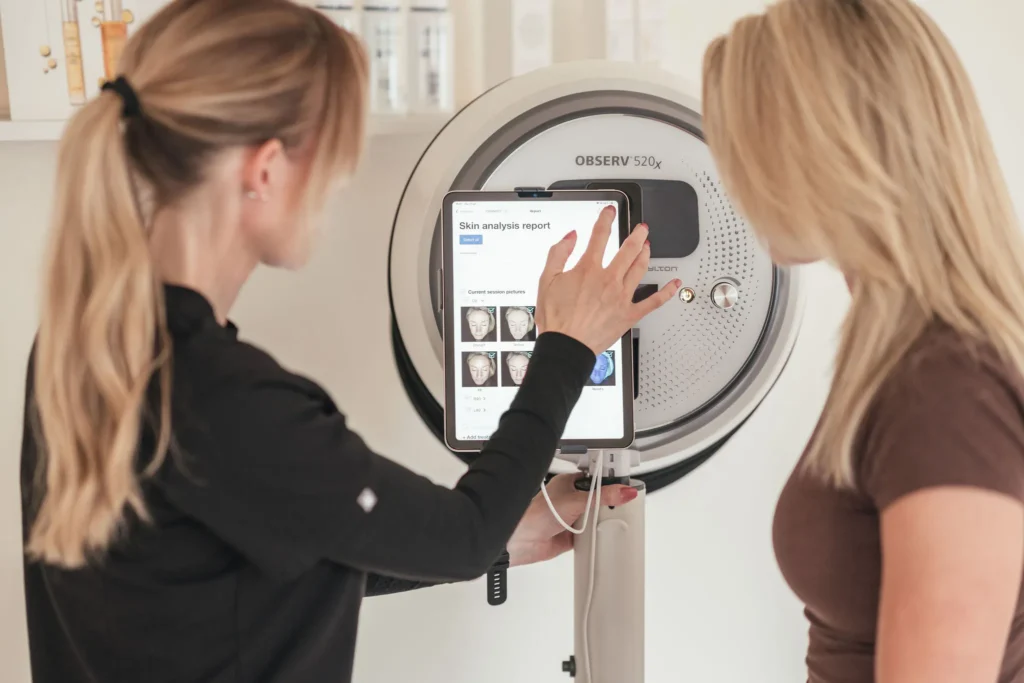
- Skin analysis gives a detailed picture of oiliness, congestion, redness and pigmentation, so your plan is based on what is really happening in your skin.
- Chemical peels help to unclog pores, calm breakouts and refresh dull, uneven skin.
- BBL HEROic uses light to target active acne and redness.
- ClearSilk is a gentle laser treatment for uneven texture, mild acne and acne marks.
- Obagi medical facials and Obagi medical-grade skincare support your skin between treatments. We are an authorised Obagi stockist, and our clinic is an Obagi ambassador clinic, so we have an interest to declare.
If acne has left scarring, our acne scarring guide explains the options, and our acne awareness guide covers active acne and scarring in more detail.
Pigmentation and hair thinning
Once your GP has looked into the cause, we can talk through options for marks and pigmentation left by acne, and supportive treatments for hair thinning, such as PRP.
When should you see your GP?
Please see your GP if you notice excess hair, persistent acne or hair thinning, especially with irregular or missed periods. The NHS and NICE advise asking for an urgent appointment if excess hair appears suddenly or gets worse quickly, or if you notice a deepening voice, increased muscle bulk or other changes to your body. These can be signs of a different condition that needs checking promptly.
You should also see your GP about new dark, velvety patches of skin, if acne is leaving scars or affecting your mood, or if you think you may have PCOS and have never been assessed.
FAQs
Is PCOS the same as PMOS?
Yes, PMOS (polyendocrine metabolic ovarian syndrome) is the new name for PCOS (polycystic ovary syndrome). The condition itself has not changed. The name was updated in May 2026 to better describe the hormonal and metabolic effects, and because most people with the condition do not have abnormal ovarian cysts.
Does laser hair removal work for PCOS facial hair?
Laser and light hair removal can reduce PCOS facial hair, but it does not treat the hormonal cause. The 2023 international guideline recommends that laser and light treatments should be considered for facial hair, and a 2024 review found they reduced hair and improved quality of life. Results tend to be better alongside medical care from your GP.
How many sessions will I need if I have PCOS?
You will usually need a course of several sessions, and often more than someone without a hormonal cause. With BBL at our Hale clinic, sessions are spaced 4 to 8 weeks apart, and we review your progress as you go before agreeing on any maintenance.
Will PCOS facial hair grow back after treatment?
Some hair may return over time, because the hormones that drive it are still present. Research suggests the benefits can fade over 12 to 30 months without maintenance, so most people with PCOS plan occasional top-up sessions to keep a long-lasting reduction.
Is PCOS acne different from regular acne?
PCOS acne looks similar to other acne but is often linked to higher androgen levels. It commonly appears around the jawline, chin and neck, can flare with your cycle and may continue beyond your teens. Because the cause is hormonal, a combined plan of medical care and skin treatments is often recommended.
Can PCOS hair loss be reversed?
PCOS-related hair thinning can often be slowed, and some people see regrowth, especially when it is assessed early. Speak to your GP first so they can check for other causes such as low iron or thyroid problems and discuss medical treatments. Supportive clinic treatments can then be considered.
Are dark patches on the neck a sign of PCOS?
Dark, velvety patches on the neck, armpits or groin can be a sign of insulin resistance, which is common in PCOS. This is called acanthosis nigricans. Please see your GP, as the patches usually fade once the cause is treated.
Can I have hair removal with PCOS if I have darker skin?
Many people with darker skin can be treated, but it needs extra care and a careful assessment. Kate, our dedicated hair removal specialist, will check your skin and hair type, carry out a patch test and adjust settings, and will tell you honestly if BBL is not right for you.
Is hair removal for PCOS available on the NHS?
Laser and light hair removal is not usually available on the NHS. Your GP can still assess the cause of excess hair, offer medical treatments and refer you to a specialist if needed.
Can aesthetic treatments treat PCOS itself?
No, aesthetic treatments cannot treat PCOS itself. They can help with how your skin and hair look and feel, alongside the medical and lifestyle care that manages the condition.
Feeling more like yourself
PCOS is common, and the skin and hair changes it brings are nothing to feel embarrassed about. With the right medical care and a realistic, personalised plan, many people see a real improvement in how their skin looks and feels. If you would like to talk through your options, get in touch to book a consultation, or see our prices and what to expect at your visit.
This guide was written by Dr Ed Robinson, a GMC-registered doctor with a background in anaesthesia and Medical Director of Dr Ed Robinson Clinics. It is for general information and is not a substitute for advice from your GP or specialist. Last reviewed October 2026.
Sources
- Teede HJ et al. Polyendocrine metabolic ovarian syndrome, the new name for polycystic ovary syndrome: a multistep global consensus process. The Lancet, 2026
- NHS: Polyendocrine metabolic ovarian syndrome (PMOS)
- Teede HJ et al. Recommendations from the 2023 International Evidence-based Guideline for the Assessment and Management of Polycystic Ovary Syndrome. Human Reproduction, 2023
- NICE Clinical Knowledge Summaries: Hirsutism
- NHS: Hirsutism
- British Association of Dermatologists: Hirsutism patient information
- Mar A et al. Laser and Light-Based Therapies for Hirsutism Management in Women With Polycystic Ovarian Syndrome: a systematic review. JAMA Dermatology, 2024
- Schmidt TH et al. Cutaneous findings and systemic associations in women with polycystic ovary syndrome. JAMA Dermatology, 2016
- Ramezani Tehrani F et al. Prevalence of acne vulgaris among women with polycystic ovary syndrome: a systematic review and meta-analysis. Gynecological Endocrinology, 2021
- Rayner E et al. Bi-directional association between female pattern hair loss and polycystic ovary syndrome: a systematic review and meta-analysis. JAAD International, 2025
- Roche A et al. Laser treatment for female facial hirsutism: are quality-of-life benefits sustainable? Clinical and Experimental Dermatology, 2015
- NHS: Acanthosis nigricans