


Polynucleotides are biological protein messengers which are the building blocks of DNA, with natural healing and regenerative properties. In aesthetic medicine, polynucleotides extracted from salmon DNA are used due to their compatibility with human skin and their potent hydrating and tissue-regenerating abilities.
At a glance

30 minutes

Topical Cream

Immediate

4 – 6 weeks
Benefits of Polynucleotides
-

POLYNUCLEOTIDES ARE VERSATILE TREATMENT
They rejuvenate the skin brightening the pigment under the eye, while inducing collagen and elastin which are important proteins for a younger appearance and healthier looking skin. -
NATURAL-LOOKING RESULTS
Cosmetic treatments that are not meticulously planned and administered can create an unnatural aesthetic. Polynucleotides improve skin radiance and rejuvenation without changing your face shape. -
QUICK AND CONVENIENT
Polynucleotide treatments are a quick, non-invasive, non-surgical solution. Treatment takes 30 minutes, allowing for an immediate return to normal activities with minimal downtime. -
POLYNUCLEOTIDES HAVE MOISTURISING AND ANTI-OXIDANT BENEFITS
This creates an optimal environment within your skin to promote the natural growth of fibroblasts, which produce collagen and elastin. They can enhance hydration, tissue elasticity and tightness, rejuvenating the skin.
What areas can be treated?

Anti-Ageing (All areas)
Dark Under Eye Circles and Bags
Scars
Face & Body
What conditions can Polynucleotides treat?
Crows Feet

At Dr. Ed Robinson Aesthetics in Altrincham, we provide state-of-the-art treatments for crow’s feet, the fine lines that fan out from the corners of your eyes. Our non-surgical approaches aim to smooth these lines, enhancing your overall facial appearance.
Lines and Wrinkles
Welcome to Dr. Ed Robinson Aesthetics, where we specialise in advanced non-surgical treatments for deep lines and wrinkles. Our Altrincham clinic offers personalised solutions to restore your skin’s youthful appearance.
Dark Under Eye Circles and Bags
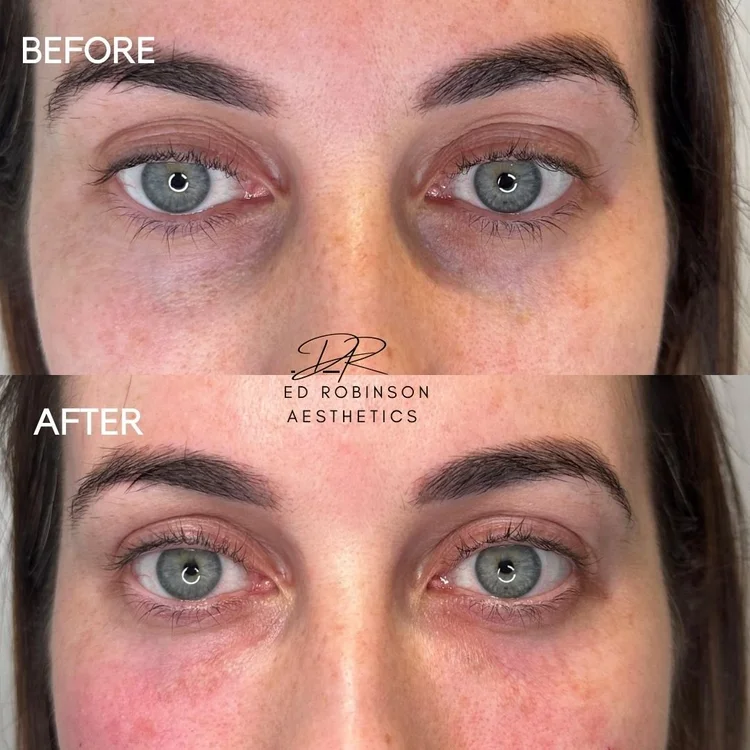
The undereye and peri-orbital area is one of the most challenging areas to treat so it’s crucial to ensure you see a clinician experienced in peri-orbital rejuvenation. Our team are experienced in the diagnosis and treatment of all undereye and peri-orbital concerns and Dr Ed has particular expertise in treatment of the upper and mid-face including peri-orbital revolumisation.
Hair Loss
At Dr. Ed Robinson Aesthetics, we specialise in advanced hair loss treatments, offering hope and solutions to those experiencing this common yet challenging condition. Our clinic in Hale is dedicated to providing personalised care and cutting-edge treatments. We understand the impact hair loss can have on your self-esteem and quality of life.
Pigmentation
One of the most common causes of this altered pigmentation is exposure to ultraviolet (UV) rays from the sun. The UV rays can stimulate melanin production, leading to agespots/sunspots, tanning, or an uneven skin tone. Many individuals seek tanned skin as a sign of health and vitality, but excessive exposure to UV rays can cause long-term skin damage and lead to various pigmentation disorders.
Rosacea
Redness in the skin is common, often following warm temperatures, exercise or sun exposure. Occasionally, redness can persist and in some individuals redness and flushing can be present all the time, with an exaggerated response to external factors. Over time, this can worsen and sometimes result in visible broken blood vessels on the face, as well as swelling of the face and neck. This is referred to as Rosacea and sometimes co-exists with blemishes and oily skin on the face.
Our Approach
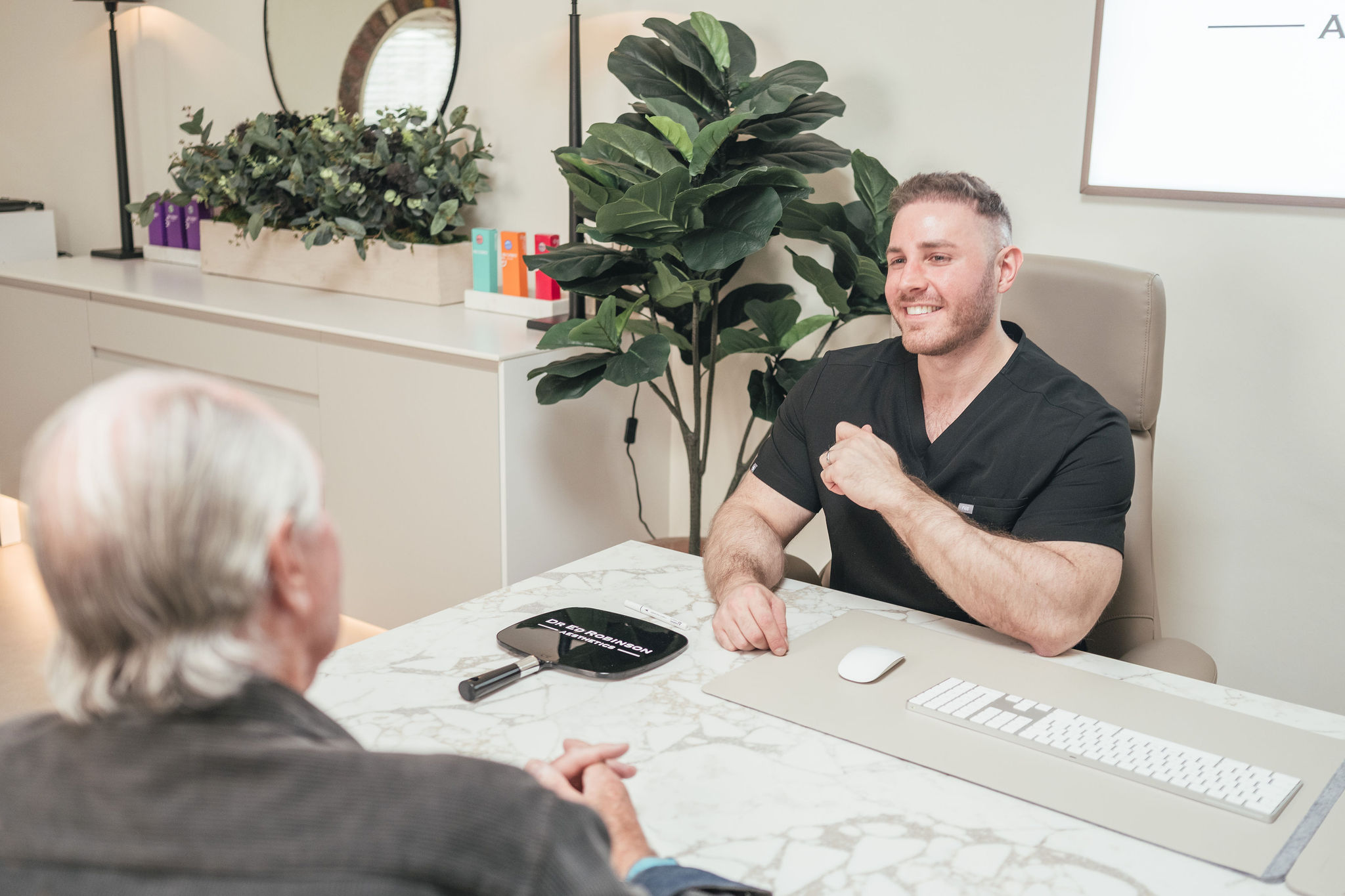
Patient Safety
We prioritise your safety and satisfaction.
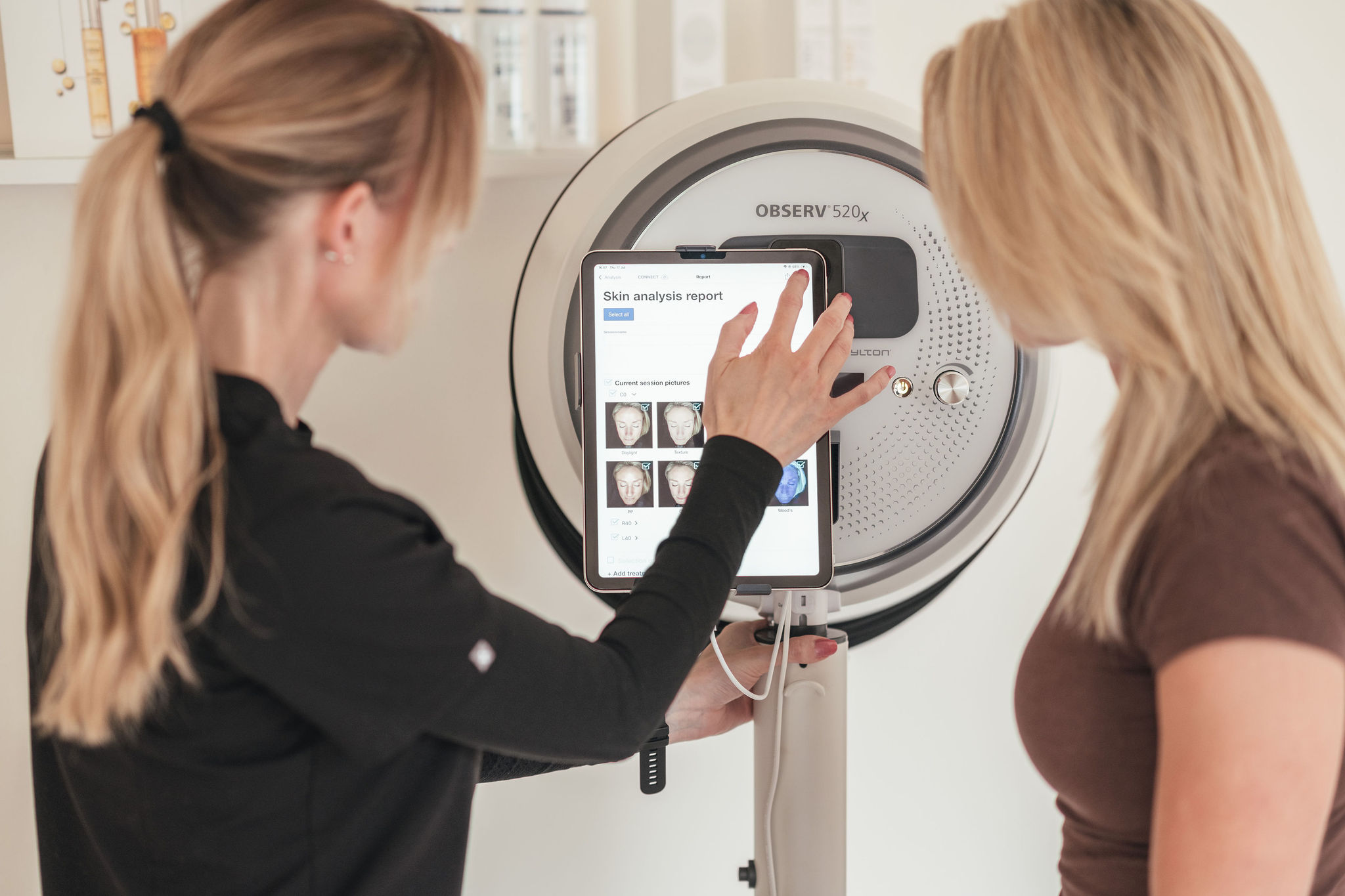
Evidence-Based Practice
Our treatments are based on the latest research and best practices in the field of aesthetics.
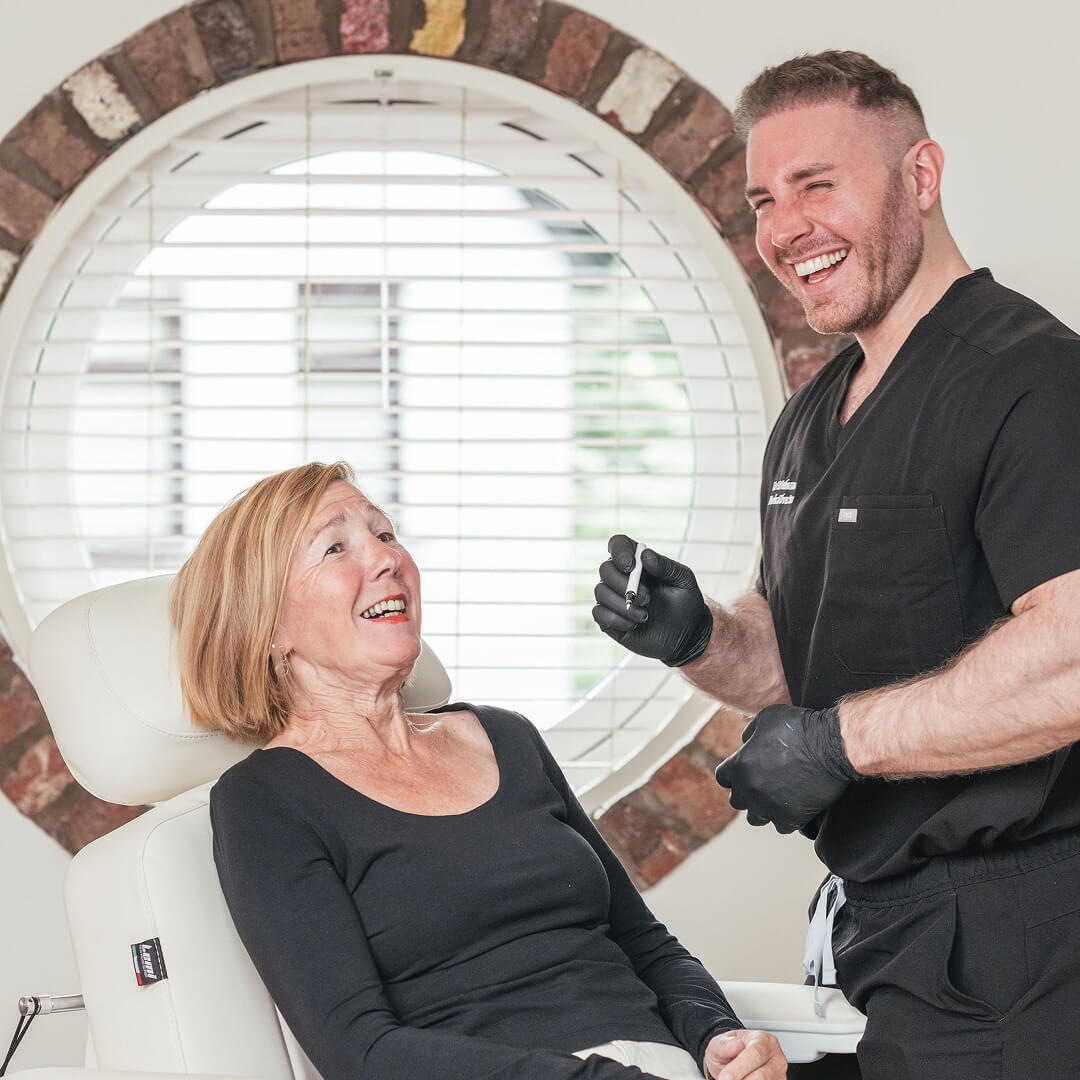
Bespoke Treatments
We always take the time to understand your goals and concerns, providing personalised treatment plans that are tailored to your unique needs.
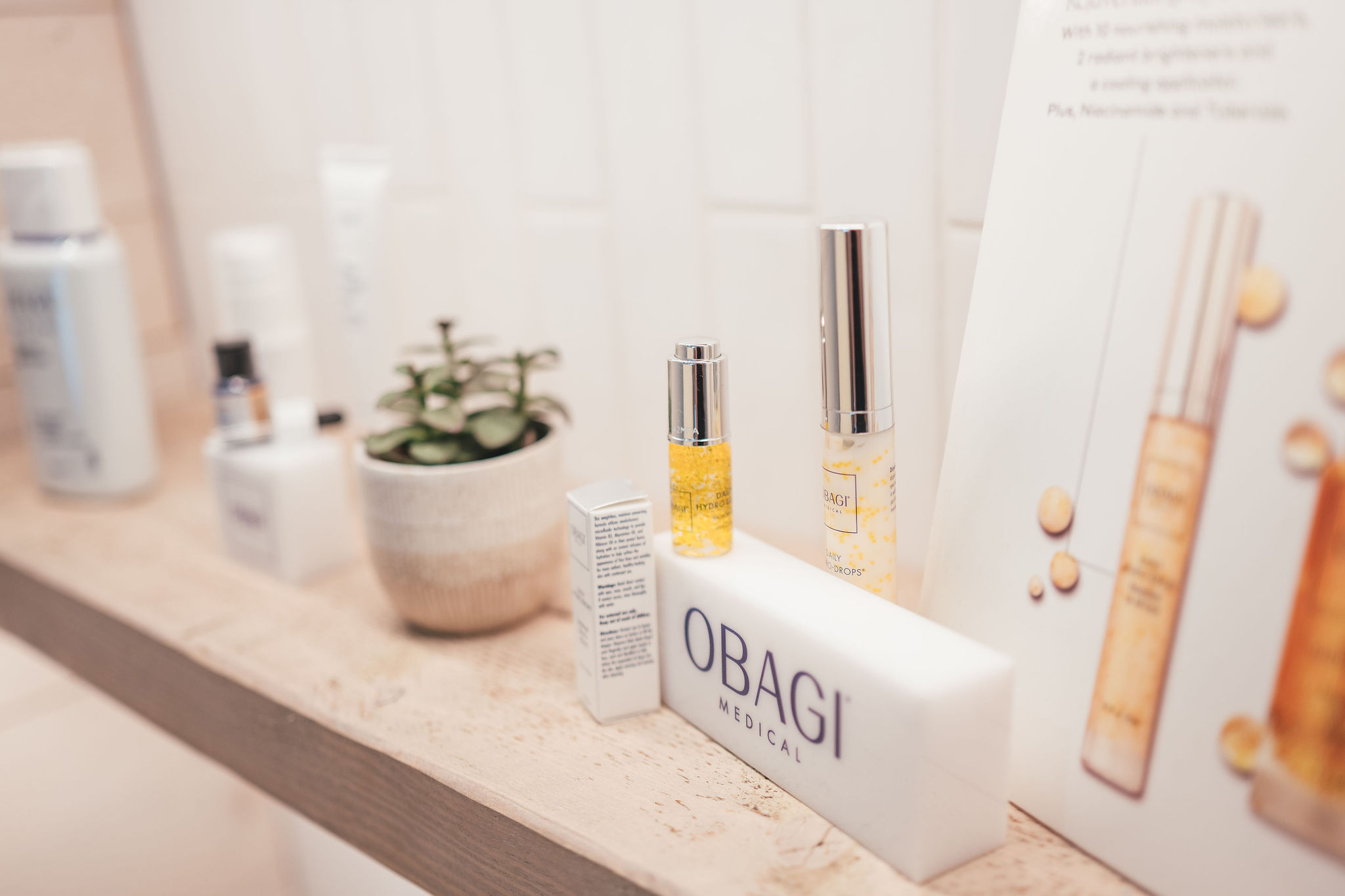
High Quality Products
Our commitment to using high-quality products sourced from reputable pharmacies ensures exceptional results and your peace of mind.
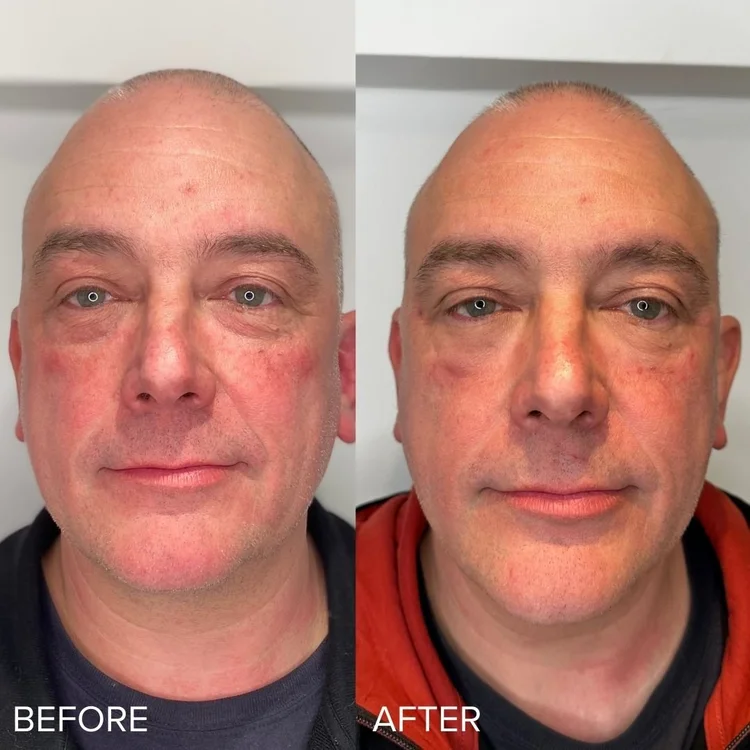
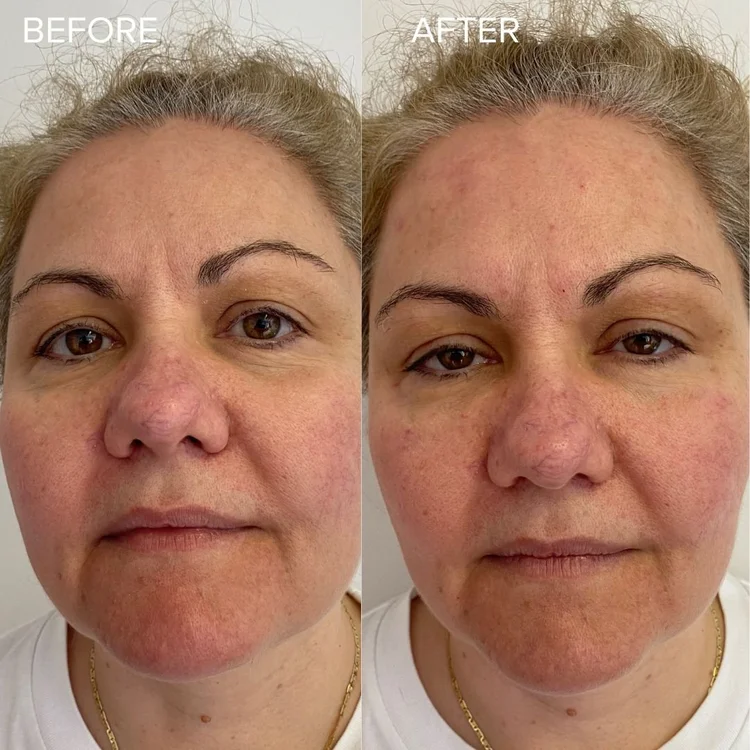
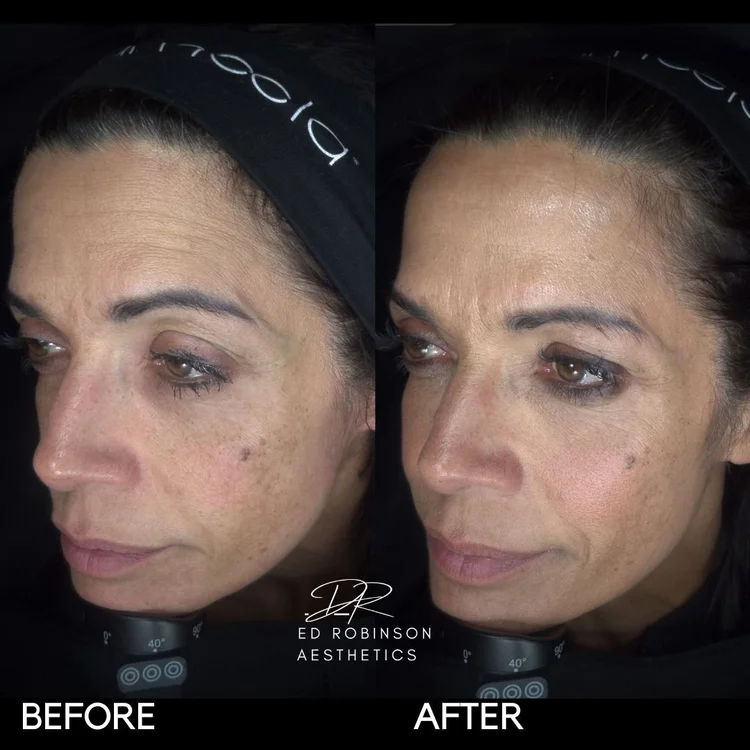
Our Before and After Gallery for Polynucleotides
Polynucleotides Aftercare

What to Avoid
Active skincare products on the day of treatment.
Alcohol for 24-48 hours.
Strenuous exercise, saunas, and steam rooms for 24-48 hours.

Comfort and Recovery Tips
Mild swelling may occur, usually calming within 6-12 hours. Antihistamines or anti-inflammatories can help.
Results begin to show after 1-2 weeks, with maximum results after completing the recommended treatment course:
Profhilo: 2 treatments, 4 weeks apart.
Teosyal Redensity 1: 3 treatments, 4 weeks apart.
Results typically last 6 months; lifestyle factors like smoking, sun exposure, and alcohol can shorten duration.
FAQs
For more general enquiries, please take a look at some of our frequently asked questions.
How long do Polynucleotides usually take?
Treatment length depends on the individual but can vary from between 30 minutes to an hour.
An individual area will be shorter to treat, while full facial rejuvenation will take longer.
I can give you an idea of how long a treatment will take during your consultation.
What are Polynucleotides used for?
Polynucleotides are exceptionally versatile. They can be used to treat both body and face, including necks, décolletage, the delicate eye area, back of hands, abdomen, thighs, knees, arms, stretch marks across the body.
Polynucleotides can also help with lumpy or sunken scars, acne scarring, hyperpigmentation, melasma, rosacea, general signs of facial ageing, eyebrow and scalp hair loss. They can also be used to help address post-menopause vaginal concerns.
Polynucleotides have moisturising and antioxidant properties which create an optimal environment within your skin to promote the natural growth of fibroblasts, which produce collagen and elastin.
They can enhance hydration, tissue elasticity and tightness and help rejuvenate the skin.
How should I prepare for Polynucleotides treatment?
Please come to the clinic without make-up as this will have to be removed.
Ensure you are well-hydrated.
Avoid the use of skincare active ingredients on the day and stop any retinol-containing products 24 hours before-hand.
Ensure you have not had any aesthetic treatments such as micro needling less than 2 weeks before-hand.
Avoid alcohol for 24 hours prior to treatment as this will increase your risk of bruising.
What does Polynucleotides treatment involve?
Polynucleotide treatment varies slightly depending on the site and aim of treatment.
Certain areas may be more uncomfortable than others and therefore numbing cream may be used to anaesthetise the skin before-hand.
The area will be cleaned with anti-septic solution first.
Either a needle or cannula technique will be used to inject polynucleotides under the skin.
Aftercare will be applied to reduce inflammation after treatment.
How long do Polynucleotide treatments last for?
Depending on the degree of ageing your skin has and your ability to create quality tissue when stimulated, your diet and lifestyle, your skin quality will improve gradually as the tissues regenerate following treatment.
You will likely need 6 monthly/annual maintenance treatments to ensure enduring skin radiance and vitality.
Lifestyle factors such as physical activity, smoking, alcohol consumption, recreational drug use and sun exposure will result in a shorter duration of action.
When will I see results?
Most notice a difference after 2-4 weeks, but your skin will continue to improve with optimum results expected about 3 months after the course of treatment has been completed.
What happens after treatment?
Due to the treatment process there is usually some extra inflammation which may worsen for the first 24-48 hours.
Over-the-counter antihistamines and anti-inflammatories can help calm down inflammation.
Avoid the use of active skin ingredients on the day of treatment.
Avoid alcohol-consumption for 24-48 hours as this increases your chance of bruising.
Avoid strenuous activity, saunas/steam rooms which may promote sweating as this increases your risk of bruising.
Do not apply excessive pressure to the filler for the first 24-48 hours.
How much does Polynucleotide treatment cost?
Polynucleotide treatments start at £300 per treatment.
Does Polynucleotide treatment hurt?
As an anaesthetic doctor I am well placed to reduce anxiety and pain during procedures using a number of techniques.
Numbing cream will be applied before the procedure.
I am trained in advanced techniques including the use of cannulas to minimise pain where possible and result in considerably fewer injections.
Are Polynucleotide treatments suitable for men?
Absolutely! Skin rejuvenation treatments are becoming increasingly popular among men.
Are Polynucleotide treatments safe for all skin types?
Yes, salmon DNA-based polynucleotides are biocompatible and safe across various skin types and conditions.
Are there any side effects?
Side effects and complications include but are not limited to:
Pain or stinging whilst the injection is performed.
Injections into the lip area could trigger a recurrence of facial cold sores (herpes simplex infections) for patients with a history of prior cold sores.
Localised swelling, redness and or tenderness.
Bleeding at the sites of injection.
Bruising – may be severe in rare cases and may persist for several days.
Rare Side Effects:
- Persistent or prolonged pain, swelling, or inflammation.
- Infection (can occur within days or as long as months).
- Allergic reaction or delayed sensitivity reaction – not recommended for people with fish allergies.
- Compression / Vascular Compromise – the blood supply to the skin may be interrupted by swelling or inadvertent injection into a vessel, causing pain and/or discolouration. This can lead to necrosis of the skin if not dealt with, skin damage and possible scarring. (Very rare).
Am I suitable for a Polynucleotide treatment?
Polynucleotide treatments offer a versatile solution for those seeking to smooth out fine lines and wrinkles, combat early signs of ageing, revive dehydrated skin, correct pigmentation, even out skin texture, or diminish scarring and under-eye concerns such as puffiness and dark circles. To ensure the treatment is tailored to your unique needs, a consultation is essential to identify the most suitable treatment approach for you.
How many sessions of Polynucleotides will I need?
Typically, the effects of one session can be seen for several months, with 2-3 sessions recommended over a 3-week period. Maintenance treatments every 6-9 months.