


Hair thinning and hair loss
Doctor-led assessment in Hale, Cheshire
Hair thinning and hair loss · Hale, Cheshire
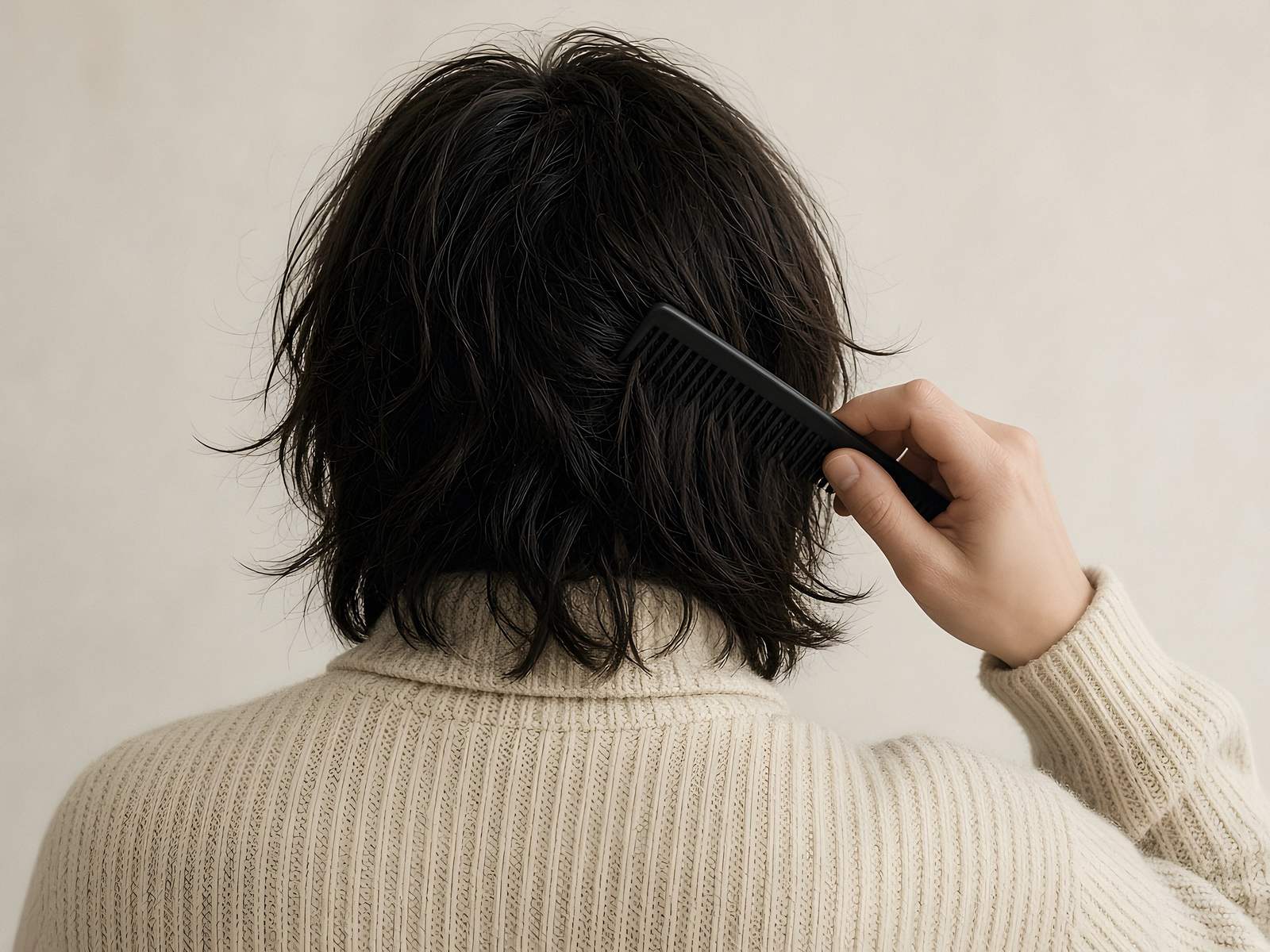
Hair loss is a description, not a diagnosis. A gradually receding hairline, widening parting, sudden all-over shedding and a smooth bald patch have different causes and different treatment pathways. Our first job is to identify the pattern, look for reasons that need medical investigation and explain whether clinic treatment is likely to help.
Hale clinic · Consultation first
You do not need to choose a treatment before contacting us. We start by understanding the cause, then explain whether a clinic pathway, observation or a referral is the more sensible next step.
At a glance
How we think about hair thinning and hair loss
 Assessment focus
We ask when the change began, whether shedding is sudden or progressive, where it occurs and what else was happening at the time.
 Possible pathways
Medical hair-loss consultation, Platelet-rich plasma (PRP), Exosomes, Dermatology or hair-transplant referral
 Our approach
Understand the cause first; recommend treatment only when the likely benefit justifies the risk, recovery and cost.
 Medical care first
Rapid patchy loss, a painful or inflamed scalp, pus, heavy scale, loss of eyebrow hair or shiny scar-like areas needs prompt medical or dermatology assessment.
What this concern can involve
Common causes include androgenetic or pattern hair loss, telogen effluvium after illness, stress, weight loss or childbirth, and alopecia areata. Iron deficiency, thyroid disease, medication, tight hairstyles and inflammatory or scarring scalp conditions can also contribute. Several causes may overlap. Pattern hair loss is influenced by genetic sensitivity to hormones; it is not proof that a person has unusually high testosterone. Normal daily shedding also varies, so counting individual hairs without context is rarely diagnostic.
Pattern loss
Gradual thinning at the crown or hairline is common.
Shedding
Sudden shedding often follows illness or stress.
Patchy loss
Smooth patches suggest a different cause.

Scalp health
Inflammation or scarring needs specialist review.
Hair loss in women, after illness and around hormonal change
Female pattern hair loss
Female pattern hair loss usually shows as a widening parting, thinner hair over the crown or a ponytail that feels less full, while the front hairline often stays in place. It can start at any age and often becomes more noticeable around menopause. Because iron levels, thyroid function, hormones and recent illness can all play a part, we take a full history and examine the scalp before discussing options. Treatment aims to support density and slow further thinning where follicles are still active. Results vary, and ongoing maintenance is usually needed.
Hormone-related thinning, including PCOS
Polycystic ovary syndrome (PCOS, now also called PMOS) and other androgen-related conditions can cause gradual thinning over the top of the scalp, sometimes alongside acne, irregular periods or increased facial hair. Scalp treatment does not diagnose or treat the hormonal condition itself. If these symptoms sound familiar, we may suggest you see your GP for blood tests first. Once the wider picture is clear, clinic treatment can form one part of a longer-term plan.
Shedding after illness, stress or rapid weight loss
Telogen effluvium is a common cause of sudden, all-over shedding. It often starts two to three months after a trigger such as illness, an operation, a stressful period, a change in medication or rapid weight loss, including weight loss with injectable weight-loss medicines. In many people it settles once the trigger has passed. Shedding that continues for more than about six months, or that reveals underlying pattern thinning, deserves assessment. We check for contributing factors such as low iron before suggesting any treatment.
Hair changes after pregnancy and around menopause
Many women notice heavier shedding a few months after giving birth. This postpartum shedding is usually temporary and often improves within a year without treatment. Around perimenopause and menopause, falling oestrogen can make pattern thinning more noticeable, and hair may feel finer or drier. We look at the timing, your symptoms, any HRT or other medicines and the scalp itself, so that temporary shedding is not mistaken for ongoing loss and treatment is only suggested when it is likely to help.
How we assess it
We ask when the change began, whether shedding is sudden or progressive, where it occurs and what else was happening at the time. We review family history, scalp symptoms, medication, diet, weight change and relevant health history. Examination considers the scalp, hair shafts and distribution. Photographs can provide a baseline. Blood tests or a GP or dermatologist assessment may be appropriate where the history suggests deficiency, endocrine disease, autoimmune loss or scarring. Starting a cosmetic course before that work has been done can waste valuable time.
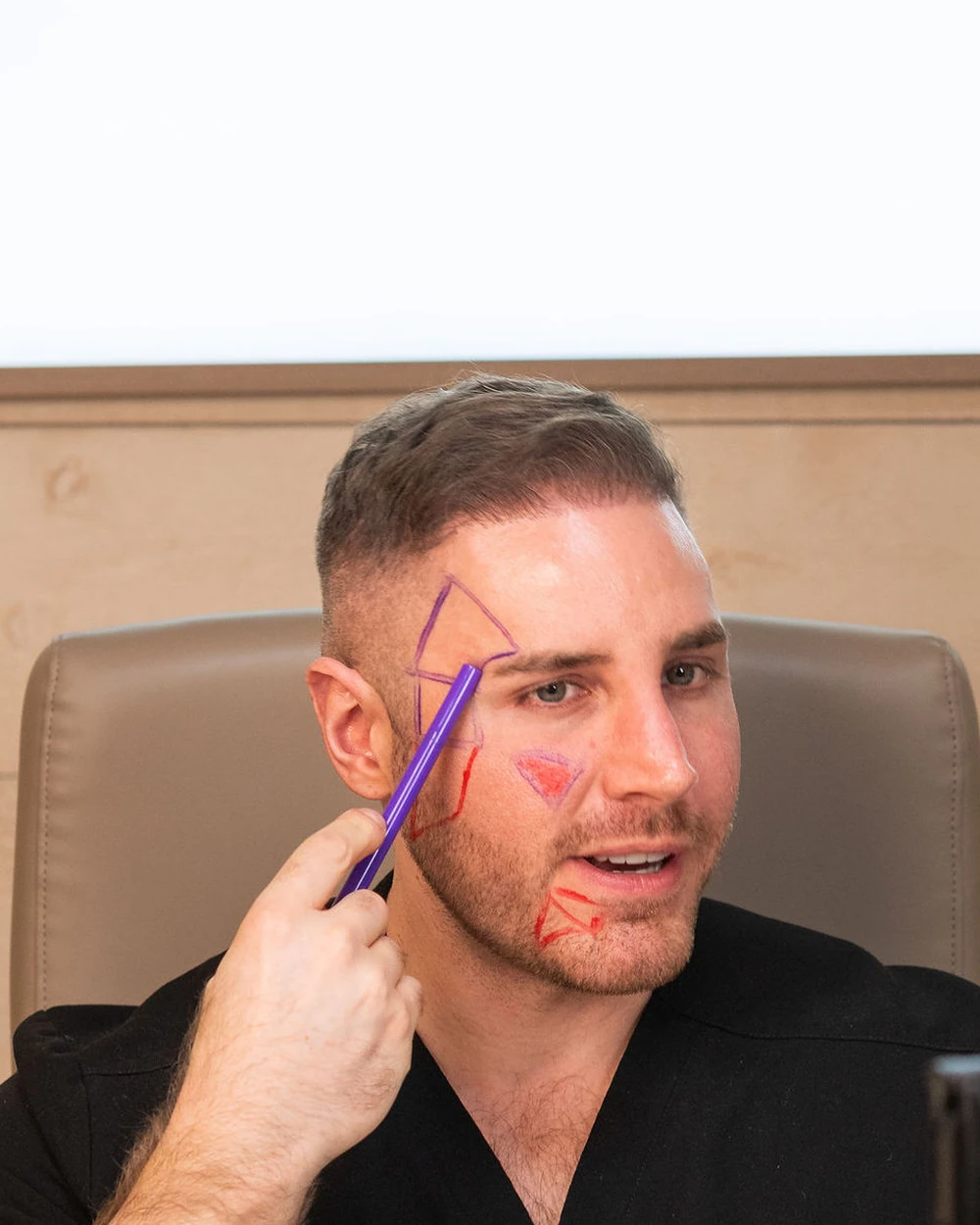
Assessment pathway
A useful consultation for hair loss follows a clear sequence rather than jumping to a product.
History
Timing, family history, health, medicines and previous treatment.
Examination
Pattern, scalp and hair density.
Diagnosis
Pattern loss, shedding or another cause, and any tests needed.
Plan
Medical options, PRP, a referral, or monitoring.
Your consultation
You do not need to choose a treatment before contacting us. Tell us what you have noticed, when it changed, what you have already tried and what a worthwhile result would look like to you. We consider your health, medication, previous procedures, skin or tissue characteristics and practical tolerance for recovery.
A useful consultation may lead to treatment, a staged plan, a period of observation or a referral. We would rather explain that an option is unlikely to help than place you into a course simply because the treatment is available.

Options we may discuss
Hair loss has more than one cause, so there is no single fix. The right option depends on what we find at consultation.
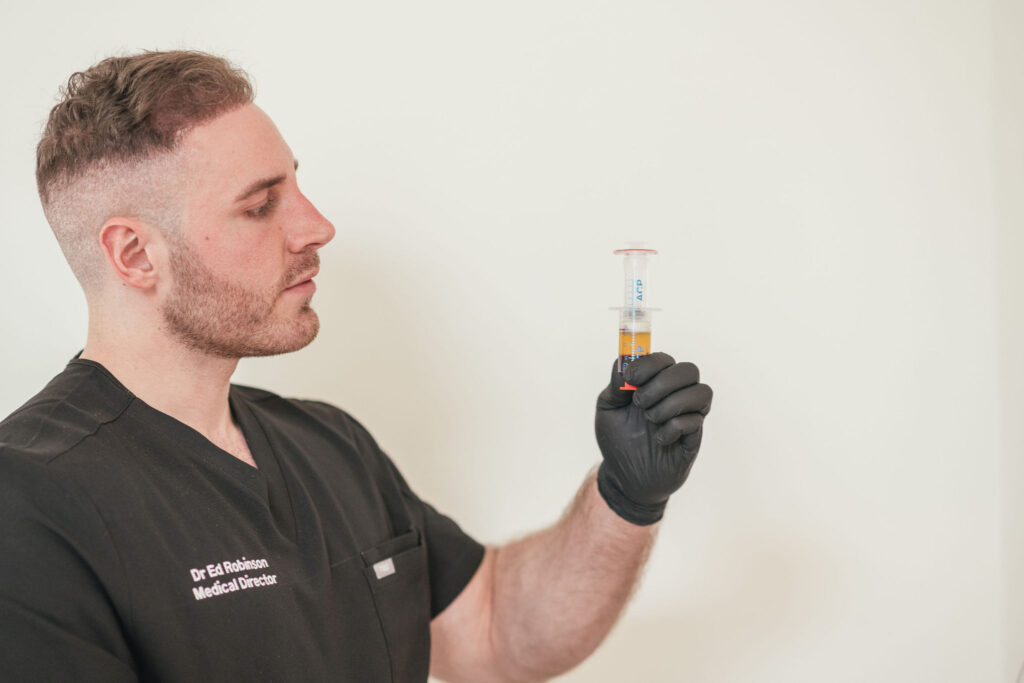



What treatment may realistically achieve
Some forms of temporary shedding recover once the trigger resolves; others need ongoing management. Pattern hair loss can often be stabilised or improved, but no treatment can guarantee a full return to previous density. Follicles destroyed by scarring disease cannot simply be stimulated back into growth. Hair cycles are slow, so an early review may focus on tolerance and shedding while meaningful photographic assessment usually takes longer. A plan should include what happens if there is no objective benefit.
Related concerns we may also discuss
Hair loss often sits alongside other related findings. These related concerns help frame the wider assessment.


Comfort, safety and clinical judgement
Comfort planning depends on the procedure. It may include topical or local anaesthetic, cooling, paced treatment or a nerve block where clinically appropriate. A nerve block is not needed for every concern, and comfort measures do not remove treatment risk.
Scalp treatments require the same care with diagnosis, clean technique, aftercare and review.
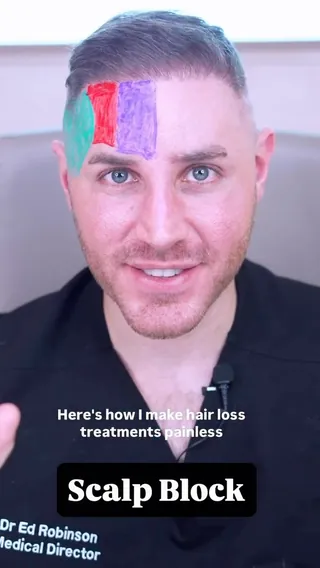
Nerve blocks and comfort
Scalp treatments can be uncomfortable. Where clinically appropriate, a scalp nerve block or other comfort measures are discussed beforehand.
Medical thinking
Why choose Dr Ed Robinson Clinics
Our approach is medical, conservative and consultation-led. We look at how the concern fits the whole face, skin or health picture rather than treating an isolated photograph.
Cause before product
Hair loss has several patterns and causes. We identify the pattern before recommending a pathway.
Comfort planned with judgement
Comfort planning may include topical or local anaesthetic, cooling, paced treatment or a nerve block where clinically appropriate.
Honest next steps
A useful consultation may lead to treatment, observation or a referral. We would rather explain when an option is unlikely to help.
CQC Good · Hale registered service
The registered Hale service is rated Good overall and Outstanding in leadership by the CQC. That rating relates to the registered service at Hale; it should not be read as separate CQC approval of every cosmetic procedure.
Read the CQC report for the registered Hale service · Meet Dr Ed
5.0 Google rating from 478 reviews
“really took the time to explain the options available to myself, the pros and cons of each option.”
“What particularly impressed me was his honesty about treatments that he felt wouldn’t be appropriate or beneficial.”
What you can do at home
Avoid tight styles, harsh traction and unregulated supplements sold as universal hair cures. Eat a balanced diet and seek tailored advice before taking high-dose biotin or iron: supplements can cause harm and biotin can interfere with some laboratory tests. Gentle scalp care is sensible, but shampoo alone rarely treats genetic hair loss. Continue prescribed medicines unless the prescriber advises otherwise.
When to seek medical advice
Rapid patchy loss, a painful or inflamed scalp, pus, heavy scale, loss of eyebrow hair or shiny scar-like areas needs prompt medical or dermatology assessment. Sudden shedding with marked fatigue, weight change or other systemic symptoms should also be reviewed.
Related videos, articles and results
Further reading and clinic media that can help you understand hair loss in context.

Frequently asked questions
How do I know what type of hair loss I have
The pattern, timing, scalp findings and medical history are more useful than a single online test. Some cases need blood tests or dermatology review before treatment.
Can stress make my hair fall out
Physical or emotional stress can trigger telogen effluvium, often with a delay. Stress should not be assumed to be the cause until other relevant factors have been considered.
Does PRP regrow all lost hair
No. It may improve density or calibre for non-scarring hair loss, but responses vary and it cannot revive follicles permanently destroyed by scarring.
Are exosomes better than PRP
That has not been established for routine clinical hair restoration. Exosome products and protocols vary, and the evidence and regulatory position require a cautious discussion.
Will I need to continue treatment
Many pattern hair-loss treatments only maintain benefit while they are used. We explain the maintenance commitment and what may happen after stopping before you begin.
Can a blood test diagnose hair loss
Blood tests can identify contributing problems such as iron or thyroid abnormalities when clinically indicated, but they do not replace a history and scalp examination.
When should I consider a transplant
Only after the diagnosis, progression, donor area and long-term plan are clear. Surgery may improve distribution but does not stop ongoing loss in untreated native hair.
Can treatment support my hair before or after a transplant
We do not perform hair transplants. A transplant moves follicles but does not stop ongoing pattern loss in the surrounding native hair, so some patients who are planning or have had a transplant elsewhere choose a medical hair-loss plan alongside it. We cannot promise better graft survival. Any treatment near a planned or recent transplant should be timed with your surgeon’s advice.