
January is the month when many people look in the mirror and feel something has shifted. Skin can appear duller, drier, and more reactive. Lines feel more noticeable. Pigmentation seems stronger. There is often an urge to act quickly and book a treatment to correct what feels like a sudden decline.
Yet January is not the moment to rush. It is, clinically and strategically, the best time of year to pause and carry out a skin assessment that January patients so often overlook. At Dr Ed Robinson Aesthetics, January is viewed not as a treatment sprint, but as the starting point for a considered, consultation-led approach to skin health.
This distinction matters. Acting without understanding what your skin is truly doing beneath the surface often leads to disappointment, overtreatment, or results that do not last.
The Problem With Rushing Into Aesthetic Treatments in January
Why New Year skin decisions are often reactive
December places skin under pressure. Alcohol, disrupted sleep, rich food, cold weather, central heating, and stress all combine to create visible changes. When January arrives, these effects feel immediate and alarming. Many patients assume they are signs of accelerated ageing, when in reality they are often temporary responses.
This is why when to start aesthetic treatments should never be decided emotionally or seasonally.
The impact of festive damage, inflammation, and stress on skin
Inflammation plays a significant role at this time of year. The skin barrier is often compromised, water loss increases, and vascular reactivity rises. Treating inflamed skin without first stabilising it can worsen redness, pigmentation, and sensitivity.
Why January results can be misleading without proper assessment
Skin in January rarely reflects its true baseline. Treating based only on how skin looks in the mirror ignores what is happening structurally, biologically, and functionally. This is where a professional skin analysis becomes essential.
What Your Skin Is Actually Telling You in January
Post-winter dehydration vs true skin ageing
One of the most common misconceptions is confusing dehydration with ageing. Dehydrated skin exaggerates fine lines, texture, and dullness. True ageing involves collagen degradation, elastin loss, and changes in fat and bone support. These require very different strategies.
Inflammation, barrier disruption, and compromised skin health
January skin frequently shows signs of impaired skin barrier function. Tightness, redness, and reactivity signal that repair must come before correction. Ignoring this step often leads to poor tolerance of treatments later.
Why pigmentation, redness, and dullness peak after December
Reduced sun exposure makes January ideal for identifying underlying pigmentation pathways and vascular issues. This clarity allows a winter skin assessment to distinguish between transient surface changes and deeper concerns.
Why Skin Assessment Should Come Before Treatment
The difference between symptoms and root causes
Symptoms are what you see. Root causes are what drive them. Pigmentation may stem from inflammation, hormones, UV exposure, or vascular factors. Without assessment, treatment selection becomes guesswork.
Why visible concerns do not tell the full story
Skin can look calm while damage accumulates beneath the surface. Equally, skin can look distressed while remaining structurally strong. A medical skin consultation separates appearance from physiology.
How professional skin analysis changes treatment outcomes
Using a structured assessment allows clinicians to design bespoke skin plans that prioritise long-term health rather than short-term fixes. This approach consistently produces more stable, natural-looking results.
Why January Is Clinically the Best Time to Assess Skin
Reduced sun exposure and clearer baseline skin data
Lower UV exposure means pigmentation, redness, and texture changes are easier to interpret. This makes January the best time to assess skin accurately.
Why is treatment planning more accurate early in the year
Assessing skin in January allows treatments to be sequenced logically. Skin preparation, barrier repair, and collagen support can be introduced before corrective procedures are considered.
Using January to map skin health for the next 12 months
A skin health assessment that patients often undervalue can form the foundation of a year-long plan. This avoids reactive booking and supports consistency.
The Risks of Treating Without Proper Assessment
Overtreatment and unnecessary procedures
Treating without understanding often leads to doing too much, too soon. This increases risk, cost, and dissatisfaction.
Why poor timing leads to poor results
Even effective treatments perform poorly when skin is inflamed, dehydrated, or compromised. Timing is as important as technique.
How rushed treatment plans compromise long-term skin health
Repeated correction without a strategy weakens skin resilience over time. January offers the opportunity to reverse this pattern.
The Consultation-Led Approach to Skin Health
What a professional skin consultation should include
A professional skin consultation is a clinical assessment, not a sales conversation. It should review medical history, lifestyle, current and past skincare, structural skin changes, barrier integrity, and long-term goals. Each factor affects how skin behaves and responds to treatment. When any are missed, outcomes become inconsistent. A consultation-led approach brings clarity, context, and clinical responsibility, ensuring treatments are chosen for the skin, not sold to it.
Why medical oversight matters in treatment planning
Medical oversight ensures treatments are selected based on skin physiology rather than trends. For patients aged 30 to 75, skin changes are layered and interconnected, influenced by hormones, sun exposure, inflammation, vascular health, and collagen loss. Without medical input, these factors are easily misread. Oversight allows treatment planning to prioritise safety, timing, and long-term skin health, rather than reacting to surface concerns alone.
How bespoke plans outperform trend-driven treatments
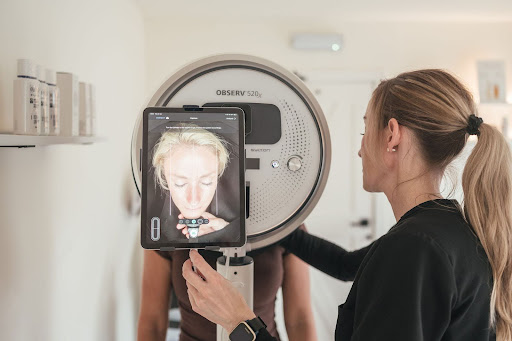
Trends offer simplicity. Skin biology does not. Consultation-led treatment plans respect this complexity by responding to what the skin is actually doing, not what is fashionable to treat. This is precisely why we use the OBSERV 520x AI skin scanning device as part of our assessment process. It allows us to see what the naked eye cannot, revealing activity across different layers of the skin, including early pigmentation pathways, vascular changes, inflammation, and barrier disruption. By identifying these changes before they surface, we can treat strategically, manage risk, and intervene early. The result is a bespoke plan that supports skin health proactively, rather than reacting once damage becomes visible.
From Assessment to Action: When Treatment Actually Makes Sense
Why some patients should wait before starting treatment
For many patients, January should focus on skin preparation, barrier repair, and skincare optimisation. Treatment may follow later, once skin is ready.
How skin preparation improves in-clinic results
Well-prepared skin responds more predictably, heals faster, and maintains results longer. This applies across injectables, lasers, and regenerative treatments.
Building phased treatment plans instead of quick fixes
Phased planning allows treatments to support one another rather than compete. This is how evidence-based treatments achieve subtle, sustained improvement.
Why January Should Be About Strategy, Not Speed
Skin health as a long-term investment
Skin does not benefit from urgency. It responds to consistency, support, and intelligent intervention.
How early assessment leads to better outcomes by spring
Patients who are assessed in January often require fewer treatments later. Their results look calmer, more natural, and more refined.
Setting realistic expectations from the start
January consultations are about education as much as planning. Understanding limitations is essential to satisfaction.
Book a Skin Assessment at Dr Ed Robinson Aesthetics
If you are considering aesthetic treatments this year, the most valuable first step is not a procedure. It is to book a skin assessment with a medically led team who prioritise long-term skin health over quick solutions.
We look forward to welcoming you soon.
Useful links:
Travelling from afar? Plan your journey here.
What happens during a professional skin assessment?
A professional skin assessment reviews your medical history, lifestyle, skincare use, and long-term goals, alongside a detailed analysis of skin structure, barrier health, pigmentation, and inflammation. This allows treatments to be planned strategically rather than reactively.
How is a medical skin consultation different from a standard facial consultation?
A medical skin consultation looks beyond surface concerns. It considers physiology, ageing pathways, and risk factors, and is led by clinical judgement rather than treatment trends. This ensures recommendations are safe, appropriate, and aligned with long-term skin health.
What is the best age to start getting skin assessments?
There is no single “right” age, but regular skin assessments from your early 30s onwards help identify early changes before they become visible problems. Early assessment supports prevention, smarter treatment planning, and better long-term outcomes.